Study Guide
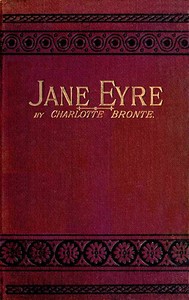
Jane Eyre: An Autobiography
by Charlotte Brontë
Jane Eyre: An Autobiography is a coming-of-age story, narrated in first-person, about Jane's journey from a neglected orphan to an independent woman. The novel begins with Jane's unhappy childhood at Gateshead Hall, where she is mistreated by her aunt and cousins. She is then sent to Lowood School, a harsh charity institution, where she receives an education but also experiences significant hardship and loss. After leaving Lowood, Jane becomes a governess at Thornfield Hall, where she falls in love with her enigmatic employer, Mr. Rochester.
About the Work
Historical Context
Charlotte Brontë (1816-1855) was an English novelist from a literary family, writing under the pseudonym Currer Bell. "Jane Eyre" was published in 1847 during the Victorian era, a time of social upheaval and changing attitudes towards class, gender, and religion. The novel challenged conventional Victorian norms, particularly regarding female independence and social mobility. It defied expectations of passive, subservient heroines, offering a strong, independent protagonist who demanded equality and fulfillment.
Writing Style
"Jane Eyre" is notable for its intensely personal and subjective narrative style. Brontë employs a first-person point of view, allowing the reader to experience Jane's thoughts, feelings, and perceptions directly. The novel's tone is often passionate and emotional, reflecting Jane's inner turmoil and her passionate nature. Brontë also uses vivid imagery and symbolism to convey Jane's emotional state and the atmosphere of her surroundings. The language is elevated and poetic, reflecting Brontë's education and literary background, but it is also accessible and engaging, drawing the reader into Jane's world.
Themes, Motifs & Symbols
Themes
Social Class
The novel explores the rigid social hierarchy of Victorian England and the challenges faced by those who occupy lower positions. Jane's status as an orphan and a governess places her on the margins of society, and she is often reminded of her social inferiority.
Gender Roles
The novel challenges traditional Victorian expectations of women, depicting Jane as an intelligent, independent, and passionate individual who seeks equality and self-fulfillment. Jane defies societal norms by asserting her independence, pursuing her own interests, and refusing to be defined solely by her gender.
Love and Relationships
The novel explores various types of love and relationships, from the abusive dynamic between Jane and the Reeds to the passionate and unconventional connection between Jane and Mr. Rochester. The novel suggests that true love is based on equality, mutual respect, and intellectual and spiritual connection.
Independence and Self-Reliance
The novel emphasizes the importance of independence and self-reliance, particularly for women. Jane strives to maintain her autonomy and integrity throughout the novel, refusing to compromise her values or submit to the control of others.
Religion and Morality
The novel explores the complexities of religion and morality, contrasting the hypocrisy and rigidity of characters like Mr. Brocklehurst with the genuine faith and compassion of characters like Helen Burns. Jane grapples with questions of right and wrong throughout the novel, ultimately choosing to follow her own moral compass rather than blindly adhering to societal expectations.
Redemption and Forgiveness
Several characters seek redemption through the course of the novel. Jane learns to forgive Mrs. Reed, acknowledging her past wrongdoings. Mr. Rochester is physically humbled, and ultimately recognizes the error of his ways.
Motifs
Fire
Fire appears throughout the novel as a symbol of passion, destruction, and purification. It represents Jane's fiery spirit and her capacity for both love and anger. It also plays a significant role in the climactic events of the novel.
Weather
Weather serves as a reflection of Jane's emotional state and the atmosphere of her surroundings. Storms often accompany moments of emotional turmoil, while calm and serene weather reflects periods of peace and contentment.
Confinement and Freedom
The motif of confinement and freedom underscores the theme of Jane's struggle for autonomy and self-expression. Jane experiences various forms of confinement throughout the novel, both physical and emotional, and she constantly seeks to break free from these limitations.
The Supernatural
Dreams, visions, and supernatural elements add an air of mystery and unease to the novel, reflecting the characters' anxieties and desires.
Symbols
The Red Room
The red-room symbolizes Jane's confinement, both physical and emotional. It represents the oppression and injustice she experiences at Gateshead Hall, as well as her own passionate nature and the suppression of her spirit.
Thornfield Hall
Thornfield Hall symbolizes both the allure and the danger of romantic love. It is a place of beauty, mystery, and passion, but it also harbors secrets and hidden dangers that threaten Jane's happiness and well-being.
The Chestnut Tree
The chestnut tree in Thornfield orchard serves as a symbol of the relationship between Jane and Mr. Rochester. Its destruction by lightning foreshadows the disruption and devastation that will befall their love.
The Veil
The wedding veil is symbolic of Jane's dreams of marriage and the intrusion of Bertha that shatters these dreams. As Jane's is torn, so is her future with Mr. Rochester.
Character Analysis
Adèle Varens
supportingAdèle Varens is Mr. Rochester's ward and Jane's pupil, a young French girl with a cheerful disposition but a tendency towards superficiality due to her upbringing.
Bertha Antoinetta Mason
antagonistBertha Mason, later revealed to be Mr. Rochester's secret wife, is a Creole woman confined to the attic due to her mental instability. She is described as having a savage, wild appearance.
Bessie Leaven
supportingBessie Leaven is a maid at Gateshead Hall. She is complex, and has a quick temper but ultimately shows kindness to Jane.
Blanche Ingram
supportingBlanche Ingram is a beautiful and accomplished socialite. She is portrayed as proud, haughty, and materialistic, primarily concerned with social status and wealth.
Edward Rochester
romantic interest/employerMr. Rochester is a wealthy, brooding, and Byronic gentleman. He possesses a sharp wit, a commanding presence, and a hidden vulnerability beneath his cynical exterior.
Helen Burns
supportingHelen Burns is Jane's friend and classmate at Lowood School. She is gentle, intelligent, and deeply spiritual, characterized by her unwavering faith and philosophy of endurance.
Jane Eyre
protagonistJane Eyre is an intelligent, plain, and independent young woman. She is initially reserved but possesses a passionate spirit and strong moral compass.
Mrs. Reed
antagonistMrs. Reed is Jane Eyre's cruel and unloving aunt, a woman of wealth and social standing. She is portrayed as cold, rigid, and resentful of Jane's presence.
St. John Eyre Rivers
supportingSee St. John Rivers
St. John Rivers
antagonistSt. John Rivers is Jane's cousin and a clergyman, possessing striking Greek-like features and a strong will. He is driven by a sense of duty and a desire for spiritual achievement.
Chapter Summaries
38 chaptersKey Quotes
"Do you think, because I am poor, obscure, plain, and little, I am soulless and heartless? You think wrong!—I have as much soul as you,—and full as much heart! And if God had gifted me with some beauty and much wealth, I should have made it as hard for you to leave me, as it is now for me to leave you."
"I am no bird; and no net ensnares me; I am a free human being with an independent will, which I now exert to leave you."
"Reader, I married him."
"I care for myself. The more solitary, the more friendless, the more unsustained I am, the more I will respect myself."
"Laws and principles are not for the times when there is no temptation: they are for such moments as this, when body and soul rise in mutiny against their rigour."
"I would always rather be happy than dignified."
"It is far better to endure patiently a smart which nobody feels but yourself, than to commit a hasty action whose evil consequences will extend to all connected with you."
"Life appears to me too short to be spent in nursing animosity or registering wrongs."
"Consistency, madam, is the first of Christian duties; and it has been observed in every arrangement connected with the establishment of Lowood: plain fare, simple attire, unsophisticated accommodations, hardy and active habits; such is the order of the day in the house and its inhabitants."
"Ev'n should I fall o'er the broken bridge passing, Or stray in the marshes, by false lights beguiled, Still will my Father, with promise and blessing, Take to His bosom the poor orphan child."
""It is not violence that best overcomes hate—nor vengeance that most certainly heals injury.""
"There was no possibility of taking a walk that day."
Discussion Questions
How does Jane's social status as a governess affect her relationships with the other characters in the novel?
In what ways does Jane challenge or conform to traditional Victorian expectations of women?
How does the setting of Thornfield Hall contribute to the overall atmosphere of the novel?
How does the ending of the novel resolve the conflicts and challenges that Jane faces throughout her life?
Compare and contrast Jane's relationship with Mr. Rochester to her relationship with St. John Rivers.
How does the use of symbolism in the novel enhance its meaning and impact?
How does Jane’s character change over the course of the novel?
Analyze the presentation of Bertha Mason in the novel. Is she simply a ‘madwoman in the attic’ or a more complex and sympathetic character?
Explore the theme of social class as it is portrayed in *Jane Eyre*. How does class impact the relationships between characters and shape their destinies?
How does Brontë use the Gothic elements in *Jane Eyre* to create atmosphere and heighten suspense?
How does the novel challenge or reinforce traditional Victorian views on religion and morality?
What is the significance of the novel’s ending? Is it a satisfying conclusion to Jane’s journey, or does it present any compromises or unresolved issues?
Ready to discuss with the characters?
Start a Conversation