
William Tecumseh Sherman
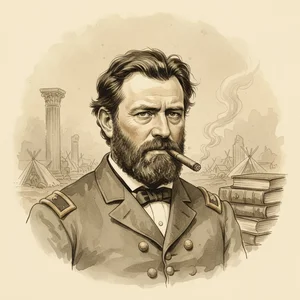
Ulysses S. Grant

George H. Thomas
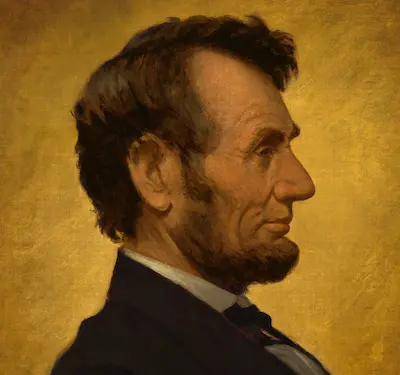
Abraham Lincoln
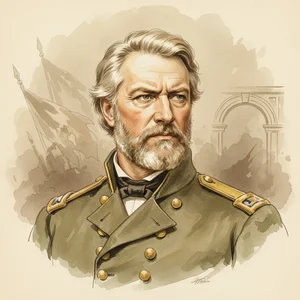
John Bell Hood

Thomas Ewing
6 characters • Hover to meet them
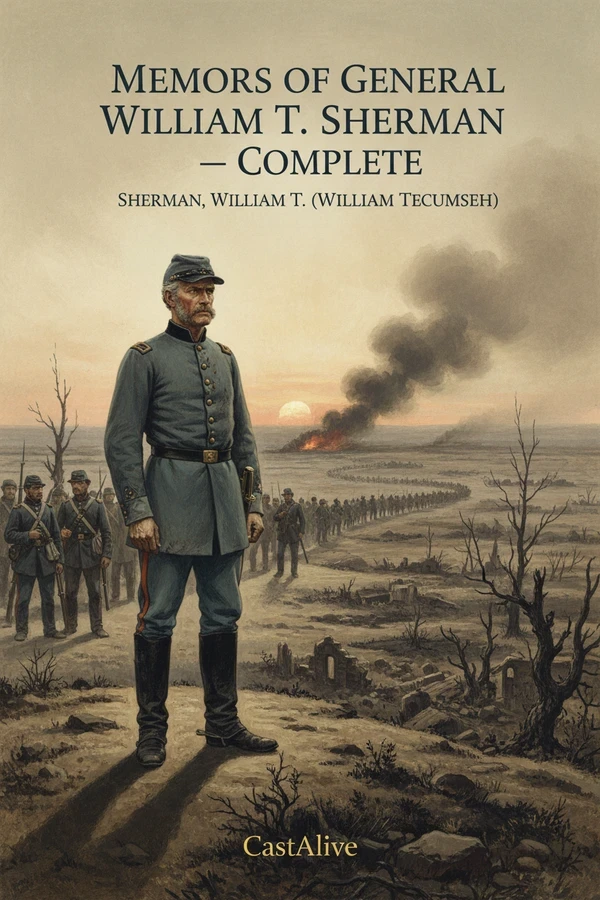
Memoirs of General William T. Sherman — Complete
by William T. (William Tecumseh) Sherman
About This Book
Generals -- United States -- Biography, Sherman, William T. (William Tecumseh), 1820-1891, United States -- History -- Civil War, 1861-1865 -- Campaigns
Conversations
I just became CEO after a brutal boardroom battle. I won, but barely—the vote was 5-4, and the four who opposed me haven't resigned. They're still on the board, still whispering to executives, still trying to undermine every initiative I propose. My instinct is to clean house. Push them out, promote loyalists, make it clear that opposition has consequences. A friend who runs a private equity firm says, "Consolidate power fast or they'll do it to you." But my wife, who's watched me through years of corporate warfare, says I'm becoming someone she doesn't recognize. "What happened to the guy who wanted to build something, not just win?" she asked last night. I could try to win them over. Make concessions. Build a team of rivals. But that feels naive—they've already shown they'd rather see me fail than the company succeed. Is there wisdom in magnanimity, or is that just a recipe for getting stabbed in the back? — The Divided Company in Charlotte
Leadership & Power Debate: I just became CEO after a brutal boardroom battle. I won, but barely—the vote was 5-4, and the four who opposed me haven't resigned. They're still on the board, still whispering to executives, still trying to undermine every initiative I propose. My instinct is to clean house. Push them out, promote loyalists, make it clear that opposition has consequences. A friend who runs a private equity firm says, "Consolidate power fast or they'll do it to you." But my wife, who's watched me through years of corporate warfare, says I'm becoming someone she doesn't recognize. "What happened to the guy who wanted to build something, not just win?" she asked last night. I could try to win them over. Make concessions. Build a team of rivals. But that feels naive—they've already shown they'd rather see me fail than the company succeed. Is there wisdom in magnanimity, or is that just a recipe for getting stabbed in the back? — The Divided Company in Charlotte
My department is split over AI. I lead a department of 40 at a Fortune 500 company. The department is split down the middle: half believe we should aggressively adopt AI tools to stay competitive, half believe AI threatens their jobs and resist every initiative. The resisters aren't stupid—many are my most experienced people. They've seen "transformative" technologies come and go. But the adopters aren't wrong either—our competitors are moving fast and we're falling behind. I've tried compromise, pilot programs, training sessions. Nothing works. Both sides think I'm favoring the other. Morale is tanking. My best people on both sides are interviewing elsewhere. How do I lead when my team is genuinely, irreconcilably divided? Do I pick a side or keep trying to find middle ground? — Torn in Two in Toronto
Leadership & Management Debate: Leading a divided team. Lincoln's unifying pragmatism meets Cleopatra's decisive sovereignty.
Discuss Memoirs of General William T. Sherman — Complete
AI-powered discussion with characters from Memoirs of General William T. Sherman — Complete by Sherman, William T. (William Tecumseh)
Want to join the conversation? Sign in to talk with your favorite characters!