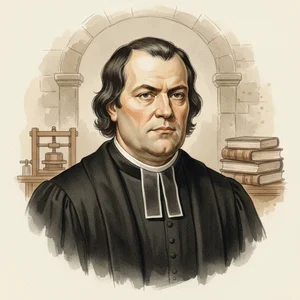
Martin Luther

Johann Goldschmid (Aurifaber)

Captain Henry Bell

Philip Melancthon
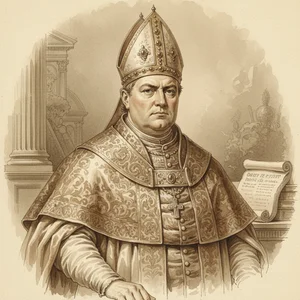
Albert of Mentz

Dr. Eck

6 characters • Hover to meet them
Selections from the Table Talk of Martin Luther
by Martin Luther
About This Book
Table-talk
Conversations
I work at a major tech company. I have evidence that our AI product is being used by a foreign government to identify and track dissidents. People have disappeared after being flagged by our system. I've raised concerns internally. I was told the use is "within the terms of service" and that we "can't control how customers use our products." That's technically true and morally bankrupt. I've decided to act, but I'm torn about how. One option is to go public loudly—leak documents to journalists, name names, burn bridges, and accept the consequences. Maximum pressure, maximum visibility, probably maximum retaliation. Another option is quieter resistance—secretly documenting everything, connecting with other concerned employees, building a coalition for change from within, working with sympathetic board members. Less dramatic, but maybe more sustainable and less destructive. My partner says the loud approach is ego—that I want to be a martyr more than I want to create change. But the quiet approach feels like complicity while people suffer. When fighting a powerful institution, do you confront or subvert? — The Tech Whistleblower in San Francisco
Ethics & Resistance Debate: When fighting institutional evil, is confrontational exposure or patient subversion more effective?
8 messages
I was a pastor for fifteen years. Last year, I had an affair. My wife found out, my congregation found out, and I lost everything—my marriage, my ministry, my reputation, my sense of who I am. I've repented. I believe I've been forgiven by God. But I don't know what to do with the rest of my life. Some people tell me that grace means I can start fresh—God's forgiveness is complete, and I shouldn't let my past define me. They point to other fallen pastors who've rebuilt ministries. "Grace covers all," they say. Others say that consequences are real, that discipline matters, that some doors close permanently when you violate trust. "Forgiveness doesn't mean restoration to leadership," they say. "Maybe your calling now is to serve quietly, to prove your repentance through years of faithful obscurity." I believe in grace. But I also know I broke something sacred. Do I trust that God can restore what I destroyed, or do I accept that some failures permanently change what's possible? — The Fallen Pastor in Nashville
Faith & Redemption Debate: After moral failure, does grace restore all things or do consequences endure?
4 messages
Discuss Selections from the Table Talk of Martin Luther
AI-powered discussion with characters from Selections from the Table Talk of Martin Luther by Luther, Martin
0 messages
Want to join the conversation? Sign in to talk with your favorite characters!