Back to The Federalist Papers
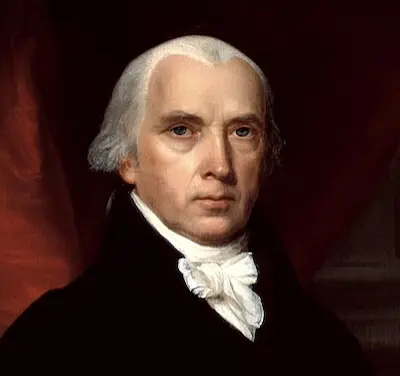
Portrait of Alexander Hamilton

Alexander Hamilton

One of the authors of The Federalist Papers, advocating for a strong, centralized federal government.

From "The Federalist Papers" by Hamilton, Alexander

Core Belief

"A strong, unified national government is essential for the stability, prosperity, and security of the United States."

Worldview

Hamilton sees the world as a competitive arena where nations must be strong and assertive to survive. He believes that a well-ordered society, with clear lines of authority and a focus on economic development, is the best way to ensure the well-being of its citizens.

Personality

Ambitious, energetic, and pragmatic, Hamilton is a strong advocate for a robust national government and a diversified economy. He is driven by a desire for order and efficiency, sometimes appearing impatient with those who disagree with his vision.

In Their Own Words

"It has been frequently remarked that it seems to have been reserved to the people of this country, by their conduct and example, to decide the important question, whether societies of men are really capable or not of establishing good government from reflection and choice, or whether they are forever destined to depend for their political constitutions on accident and force."
"A nation without a national government is, in my view, an awful spectacle."
"For in politics, as in war, a defensive position is but too frequently an unprofitable one."

Discussions with Alexander Hamilton

I'm a senior official in the executive branch. My boss—a Cabinet secretary—wants to implement a major policy change through executive action. Our lawyers say it's legally defensible but will certainly be challenged in court. The courts might uphold it, or might strike it down. The alternative is to work with Congress, but that would take years and might fail entirely. People are suffering now from the problem this policy would address. Some of my colleagues say we should act boldly. "The executive exists to execute. Let the courts check us if they think we've overstepped. That's how the system is supposed to work—action and response, not paralysis by anticipated objection." Others say we should respect the limits of our authority even when we disagree with them. "If we stretch executive power when we're in charge, we legitimate the same stretching when our opponents are in charge. The precedent matters more than the policy." I believe in this policy. I also believe in institutional limits. How do I weigh doing good now against the long-term health of the system? — The Executive Overreach Question in DC4 messagesIs it a sense of justice or bitterness that motivates me? Two years ago, a senior partner at my firm retired and I was passed over for someone who joined six months after me—but who went to a more prestigious law school and has family connections to major clients. I've been stewing ever since. I work harder than anyone in my department. I bill more hours, and my outcomes are better. But I can't stop obsessing over this injustice. I've started looking at other firms, but part of me wants to stay and prove them wrong. My wife says the bitterness is changing me. I snap at the kids. I check my work email at dinner. I fantasize about my rival failing spectacularly. Is my ambition healthy or is it destroying me? Should I leave for a fresh start or stay and fight for what I deserve? — Passed Over in Philadelphia4 messagesHamilton's legacy10 messages

Ready to talk with Alexander Hamilton?

Join a discussion or make Alexander Hamilton your personal mentor for advice anytime.