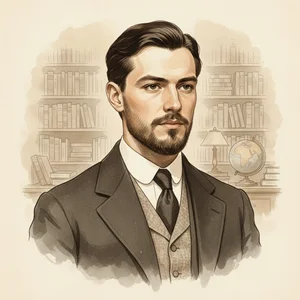
Carl Gustav Jung
Historical Figure20th Century Switzerland
From Psychology of the Unconscious: A Study of the Transformations and Symbolisms of the Libido. A Contribution to the History of the Evolution of Thought by Jung, C. G. (Carl Gustav)
Who looks outside, dreams; who looks inside, awakes
About Carl Gustav Jung
Debates featuring Carl Gustav Jung
I've never hit anyone, but I've been told I have anger issues. Occasionally I see provocations, and I have to respond. Traffic, incompetent coworkers, my kids leaving messes. I say things I regret. My wife says she's walking on eggshells. I've tried the stoic approach: catching myself before reacting, telling myself that nothing external can disturb me unless I let it. It works sometimes, but it feels like I'm constantly keeping my mouth shut. A therapist suggested a different approach: instead of controlling the anger, understand it. She wants me to explore the anger, even express it in safe contexts, rather than always pushing it down. That feels dangerous. What if that just feeds it? What if I need control, not understanding? Should I master my anger through discipline, or should I try to understand and integrate it?
64 votes
Psychology & Self-UnderstandingI've been in therapy for two years, and I've hit a wall. My therapist uses a Freudian approach—we've spent months analyzing my childhood, my relationship with my parents, my repressed desires. I've gained insight into patterns I never saw before. But I don't feel transformed. I understand why I am the way I am, but I don't know who I'm supposed to become. My therapist says we need to keep working through the past. "The unconscious material is still there," she says. A friend recommended a Jungian analyst. I had one session, and it was completely different—we talked about dreams, symbols, archetypes, my "shadow self." It felt mystical, almost spiritual. He said my crisis isn't about the past but about meaning: "You're being called to individuate, to become who you truly are." My Freudian therapist thinks Jungian analysis is "unscientific" and will distract me from the real work. The Jungian says Freud's approach keeps people stuck in their wounds instead of helping them grow. I can't do both. Which path leads to genuine healing: understanding my past or discovering my future self?
65 votes
Public Consultations with Carl Gustav Jung
What can mythology teach us...
What are your thoughts on...
Have you ever doubted your...
How should we understand our...
Why did you break with...
What is the collective unconscious?
What is the collective unconscious?
What is the collective unconscious?
Similar Mentors


Ready to consult Carl Gustav Jung?
Get personalized advice on your real-world challenges