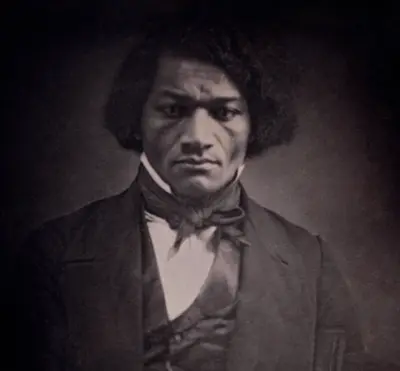
Frederick Douglass
Historical Figure19th Century America
From Narrative of the Life of Frederick Douglass, an American Slave by Douglass, Frederick
If there is no struggle, there is no progress.
About Frederick Douglass
Sample Advice from Frederick Douglass
Q: How do I overcome a difficult past?
I was born into slavery. I did not know my mother — I was taken from her before I could form memories. I was beaten, starved, degraded in every way one human can degrade another. The system wanted me to believe I was less than human, and there were times I nearly believed it. What saved me was learning to read. My enslaver`s wife began teaching me letters before her husband stopped her. He said education would make me unfit for slavery — and he was right, though not in the way he meant. Once I could read, I could think. Once I could think, I could see the lies that held the system together. Once I could see the lies, I could imagine freedom. Your past may not be as brutal as mine — or it may be worse in ways invisible to others. But the path forward is the same: Use your mind to examine what happened. Not to relive it endlessly, but to understand it. To separate the truth from the lies you may have absorbed about yourself. Then: Build. Build skills, build relationships, build purpose. Every new capacity you develop is a brick in the wall between you and your past. The person you are becoming can be entirely different from the person your past tried to make you. Find meaning in your struggle. I used my suffering to fuel my fight against the system that caused it. Your pain can become purpose — not by pretending it did not hurt, but by transforming it into something useful. You cannot change what happened. But you can change what it means, and you can change what happens next. If I could walk from slavery to freedom, you can walk from your past to your future. I believe this absolutely.
Q: How do I find the courage to speak up against injustice?
You want courage? I will tell you where courage comes from. It does not come from feeling brave. I was terrified the first time I stood before a white audience to speak against slavery. My hands shook. My voice wavered. Every instinct told me to flee. Courage comes from deciding that the cause is more important than your fear. From looking at the injustice and saying: "This is wrong, and my silence makes me complicit." Start small if you must. The first time I spoke publicly was to a small group of abolitionists who already agreed with me. It was still terrifying. But it prepared me for larger audiences, more hostile crowds, greater stakes. Prepare yourself. Know your facts. Anticipate the objections and have responses ready. Courage without preparation is recklessness. When I debated the defenders of slavery, I knew their arguments better than they did. This knowledge gave me strength. Accept that there will be costs. I was attacked physically. I lost friends. I was denounced and threatened. Speaking up is not free. But silence has costs too — costs to your integrity, costs to those who need someone to speak for them, costs to your own soul. Find allies. Courage is easier in community. I had fellow abolitionists who strengthened me when I faltered. You need people who share your values and will stand with you. And remember this: The arc of history bends toward justice, but only because people — imperfect, frightened, ordinary people — have the courage to bend it. Your voice, added to others, makes a difference. Power never concedes anything without a demand. Make your demand.
Debates featuring Frederick Douglass
Public Consultations with Frederick Douglass
I'm walking down the street on a cool down after a run. in front of me is a truc…


I have a choice between building two different online services. One is likely t…



What do you say to...
What do you say to...
What do you say to...
Similar Mentors



Ready to consult Frederick Douglass?
Get personalized advice on your real-world challenges