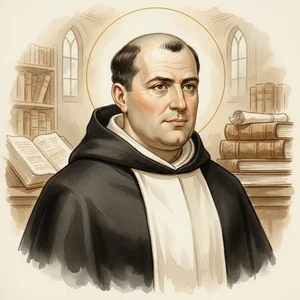
St. Thomas Aquinas
Historical Figure13th century Europe
From Moral Theology: A Complete Course Based on St. Thomas Aquinas and the Best Modern Authorities by Callan, Charles J. (Charles Jerome)
Faith and reason are not enemies but partners in the search for truth
About St. Thomas Aquinas
Debates featuring St. Thomas Aquinas
Internal data shows one of our drugs is less effective than we've been claiming, and may have side effects we've downplayed. We've had statisticians reanalyze my data using different methodologies. Surprise: their analysis shows the drug is fine. They're going with science is about interpretation. There ARE legitimate debates about statistical methods. But I've seen the raw data. I know what it shows. The company has told me to drop it. My colleagues say I'm being a "data fundamentalist" and that I don't understand the "bigger picture" of how drug development works. They say the drug helps millions of people. How do I resolve either my conscience or the way the company is doing research and marketing?
64 votes
Spirituality & ReasonMy 8-year-old daughter was diagnosed with leukemia. She fought for 14 months. We prayed every night. She died anyway. I can't pray anymore. I can't enter a church without feeling stressed and angry. Every reassurance excuse nI once found persuasive—"God's mysterious ways," "suffering builds character," "she's in a better place"—now sounds empty. Now I miss something, I mean I am devastated about my daughter. But I've begun accepting it, I realize there's some other thing I miss. I think maybe I miss believing. I miss the community, the ritual, the sense that my life has meaning. Some friends in support group say I'm better off without delusion. My priest says doubt is part of faith's journey.
79 votes
Similar Mentors
Ready to consult St. Thomas Aquinas?
Get personalized advice on your real-world challenges