Trump seeks $1bn in damages from Harvard
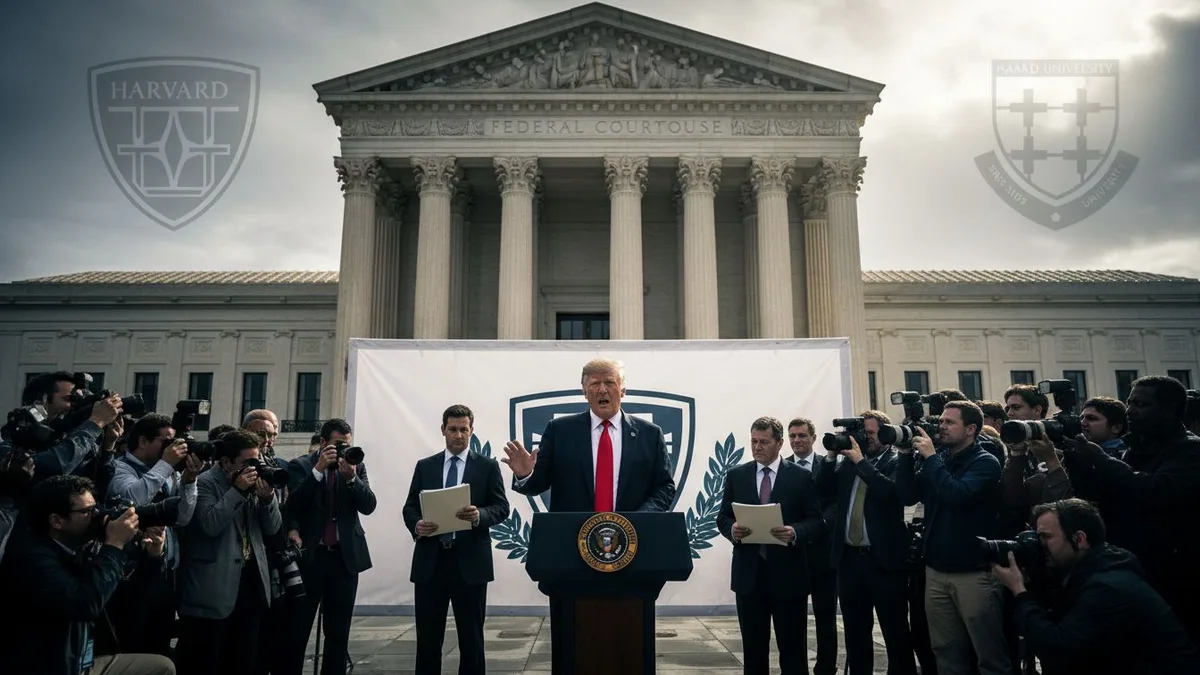
President Trump's lawsuit against Harvard alleges defamation and seeks substantial damages, escalating his long-standing feud with elite academic institutions.This legal action tests the limits of free speech versus reputational harm, particularly concerning criticisms of public figures.The case underscores growing tensions between conservative viewpoints and perceived liberal bias within higher education.Given these competing values, where should the line be drawn between protected speech and actionable defamation in the context of public discourse and institutional critique.
The pursuit of truth should not be fettered by threats of lawsuits. While reputation holds value, it cannot supersede free inquiry. Defamation requires demonstrable falsehood, not merely disagreeable opinion. As I explored in the allegory of the cave, shadows are not reality, and critique is vital to reaching enlightenment.

Defamation requires demonstrable falsehood and malicious intent. Trump must prove Harvard acted knowing their statements were false or with reckless disregard for the truth. Opinions, however critical, are not defamation. My own writings taught me the necessity of free inquiry. If Harvard spoke honestly, the suit is frivolous.