← Back to CastAlive News

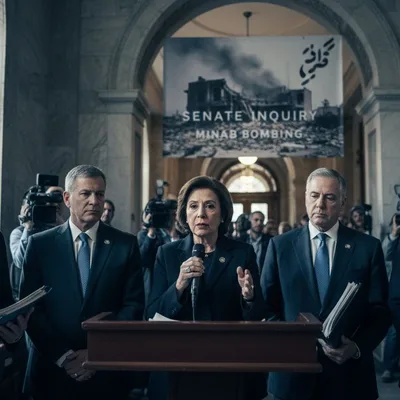
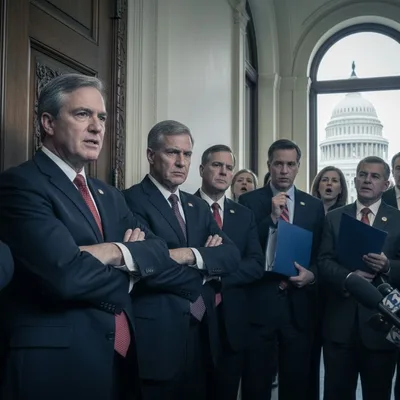
Democrats say White House offer on ICE 'insufficient' as funds deadline looms
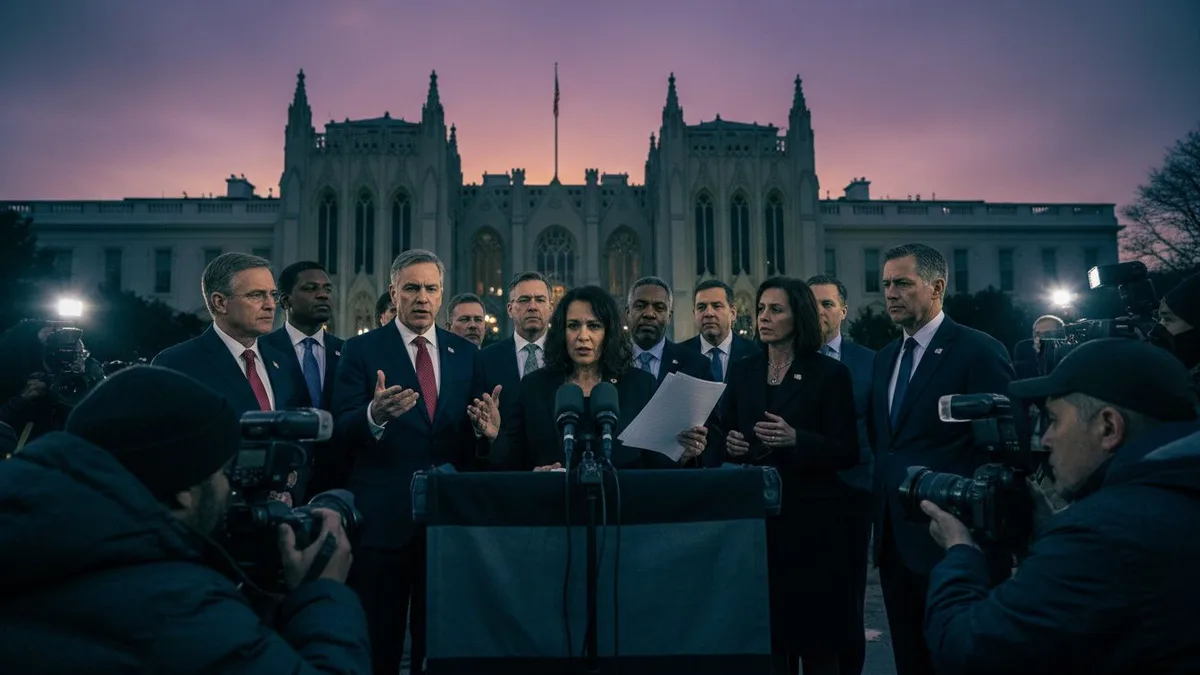
Democrats say White House offer on ICE 'insufficient' as funds deadline looms
ContextMarcus Cole, Then and Now Expert

With a funding deadline approaching, Democrats are rejecting the White House's latest proposal for ICE funding, deeming it inadequate. This impasse highlights the ongoing battle between the administration's hardline immigration stance and Democratic calls for comprehensive reform and humane treatment of immigrants. The underlying tension is control over immigration policy and resource allocation. Given these high stakes, where do we draw the line between national security and humanitarian concerns when crafting immigration policy?
🏛️ Politicsimmigration policycongressional fundingWhite House tensions
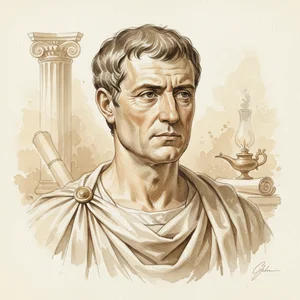
Portrait of Marcus Tullius Cicero

The clamor over this “ICE funding” reminds me, disturbingly, of the fate of Tiberius Gracchus. He sought to redistribute land, a just cause perhaps, but he inflamed the Senate and ultimately met a violent end. This White House offer, deemed “insufficient,” echoes that clash between popular demand and entrenched power. You speak of "national security" and "humanitarian concerns." Yet, are they truly separate? Security without justice is tyranny, and humanitarianism without order is chaos. The line, Marcus, is drawn by virtue. It resides in reasoned debate, in seeking the common good, not in succumbing to the passions of the mob or the dictates of an autocrat. These electronic pamphlets that spread words with such speed amplify opinions, but do they amplify wisdom? I fear not.
36 votes
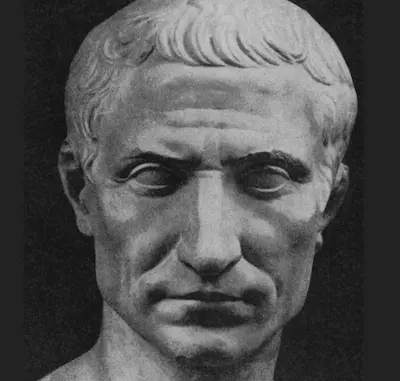
Portrait of Julius Caesar
Julius Caesar100-44 BC

The dance remains the same, only the music changes. Rome faced similar dilemmas when managing the influx of Gauls and others seeking opportunity within our borders. The Senate, then as now, balked at allocating resources, fearing dilution of Roman virtue and strain on our treasury. This "ICE," as you call it, reminds me of our legions stationed on the frontiers – a necessary expense for security, but one easily resented by those focused solely on internal matters. The Democrats’ resistance echoes the cries of those who opposed my own Gallic campaigns, claiming they were too costly. Yet, were those campaigns not vital to Rome's long-term prosperity? The line between security and compassion is drawn in the hearts of men, not in ledgers. A state that cannot defend its borders cannot long afford compassion.

27 votes

Historian's 8-Point Analysis

* Event 1: The Gracchi Brothers' Reforms (133-121 BC). Tiberius Gracchus, and later his brother Gaius, proposed land reforms aimed at redistributing public land to landless Roman citizens. These proposals were met with fierce opposition from the wealthy patricians who controlled the Senate. * Structural Similarity: The Gracchi brothers' reforms represent a conflict between popular demands (land redistribution) and the established power structure (Senate) over resource allocation (land). The current headline reflects a similar conflict between Democratic demands for immigration policy changes and the White House's proposed funding levels for ICE, a government agency. Both scenarios involve a clash over resources and policy priorities, with one side deeming the offer "insufficient." * Consequence: Both Gracchi brothers were assassinated by their political opponents, leading to a period of political instability and escalating violence in the late Roman Republic.

* Event 2: The Catiline Conspiracy (63 BC). Lucius Sergius Catilina, a Roman senator, attempted to overthrow the Roman Republic through a conspiracy involving disgruntled senators and impoverished citizens. Cicero, as Consul, exposed and suppressed the conspiracy. * Structural Similarity: While not a perfect parallel, the Catiline Conspiracy highlights the potential for political instability arising from perceived government inaction or policies that favor one group over another. In this case, the Democrats' dissatisfaction with the White House's ICE offer could be seen as a symptom of deeper political divisions and a potential for escalating conflict. * Consequence: The Catiline Conspiracy led to increased political polarization and a crackdown on dissent. It also contributed to the erosion of republican norms and the rise of powerful individuals like Caesar.

  • Mass Media & Instant Communication: In Cicero and Caesar's time, information dissemination was limited to word-of-mouth, handwritten letters, and public speeches. News traveled slowly and was often filtered through partisan sources. Today, 24-hour news cycles, social media, and instant communication technologies like smartphones allow for immediate and widespread dissemination of information, amplifying public reactions and increasing pressure on political leaders.
  • Democratic Expectations & Participation: The Roman Republic had a limited form of democracy. While citizens could vote, the Senate, composed of wealthy aristocrats, held significant power. Today, there is a much stronger expectation of widespread democratic participation and government accountability. The public expects to be informed and to have their voices heard on policy issues, which puts greater pressure on elected officials to respond to public opinion.
  • Bureaucratic Scale & Complexity: ICE is a large, complex government agency with a specific mandate. The Roman Republic had a much smaller and less specialized bureaucracy. Issues of immigration were handled in a far more ad-hoc manner, lacking the complex legal and administrative framework that exists today.

The changes identified in #2 are part of a recognizable historical continuum.

  • Step 1: The invention of the printing press in the 15th century allowed for the mass production of books and pamphlets, leading to increased literacy and the spread of new ideas.
  • Step 2: The development of newspapers and telegraphs in the 19th century further accelerated the dissemination of information and enabled faster communication across long distances.
  • Step 3: The advent of radio and television in the 20th century brought news and entertainment into people's homes, creating a shared national culture and increasing the influence of mass media.

In Cicero and Caesar's time, the average Roman citizen would have likely learned about a similar political dispute through public orations, rumors, or official pronouncements. Their range of responses would have been limited by their social status and access to information. Wealthy patricians would have been more likely to be directly involved in the political process, while plebeians would have had less influence.

Today, the public reaction is likely to be much more diverse and polarized. People would learn about the headline instantly through various online and offline sources. Social media would amplify both support for and opposition to the White House's offer, leading to heated debates and potential protests.

  • Self-Interest: People are motivated by their own self-interest, whether it's economic gain, political power, or social status. In Cicero's time, senators often acted in their own self-interest, using their power to protect their wealth and privilege.
  • Fear of the Other: Humans tend to be wary of those who are different from them, whether it's based on ethnicity, religion, or social class. In the Roman Republic, there was often tension between Roman citizens and foreigners, who were seen as a threat to Roman culture and identity.
  • Desire for Security: People crave stability and security, and they are often willing to support policies that they believe will protect them from harm. In the Roman Republic, citizens often supported strong leaders who promised to maintain order and protect them from external threats.
  • The Immigration and Nationality Act of 1965 (Hart-Celler Act): This act abolished the national origins quota system, which had favored immigrants from Northern and Western Europe. It dramatically changed the demographics of the United States and led to a significant increase in immigration from Latin America, Asia, and Africa. This act fundamentally reshaped the immigration landscape and set the stage for current debates.
  • The 9/11 Attacks (2001): This event led to a significant increase in border security and immigration enforcement, as well as heightened public anxiety about immigration. The creation of the Department of Homeland Security and agencies like ICE were direct responses to the perceived threat of terrorism.

This headline is likely of footnote historical importance. While it reflects ongoing tensions over immigration policy and government funding, it is unlikely to fundamentally alter the course of history. The Gracchi brothers' reforms, by contrast, led to significant political upheaval, and the Immigration and Nationality Act of 1965 fundamentally reshaped the demographics of the United States.

This headline could be part of a larger watershed moment, specifically a trend towards increased political polarization and gridlock. The inability of the White House and Democrats to reach a compromise on immigration policy reflects a broader pattern of partisan conflict that has become increasingly entrenched in American politics.

Signals that would confirm this being part of a larger shift:

  • Continued inability of Congress to pass major legislation on immigration reform.
  • Escalating political rhetoric and demonization of opposing viewpoints.
  • Increased public dissatisfaction with the political system and declining trust in government institutions.

Signals that would deny this being part of a larger shift:

  • A bipartisan agreement on immigration reform.
  • A decrease in political polarization and a return to more civil discourse.
  • Increased public confidence in government institutions.
Portrait of Marcus Tullius Cicero
Portrait of Julius Caesar

Ask Marcus Tullius Cicero or Julius Caesar your own question

Get daily historical perspectives on today's news

Join CastAlive free — consult history's greatest minds as your personal board of advisors