← Back to CastAlive News

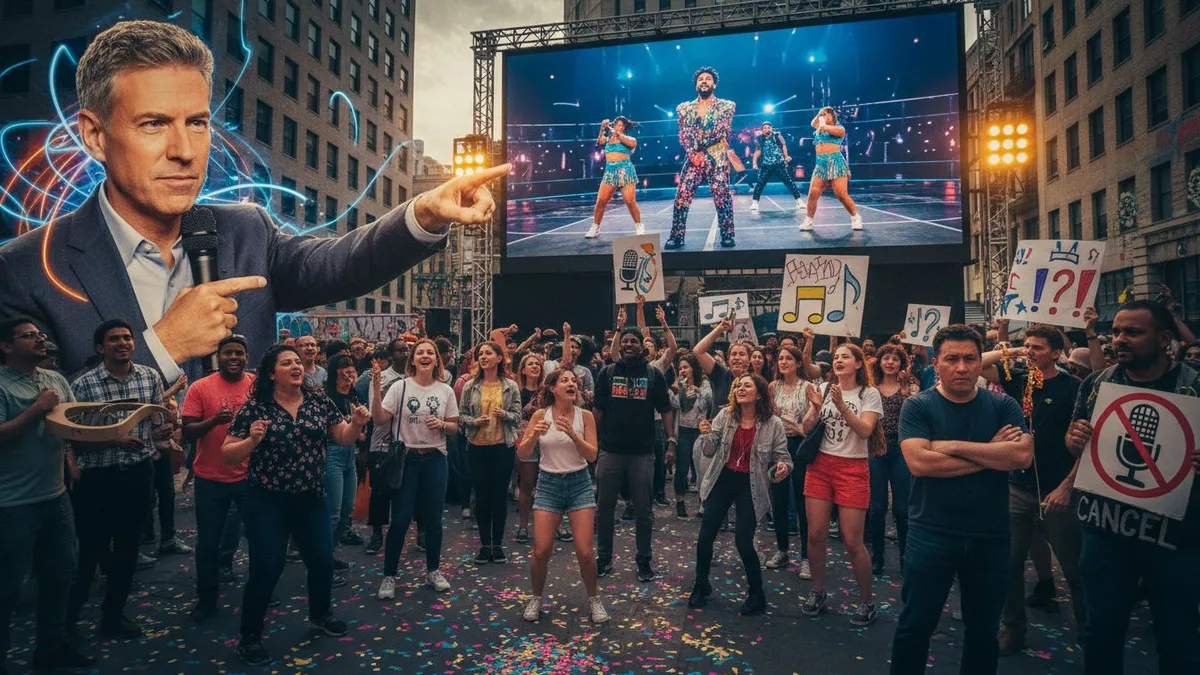
Jon Stewart Slams Conservative Outrage Over Bad Bunny Halftime Show - Variety
Variety|Feb 11
Jon Stewart Slams Conservative Outrage Over Bad Bunny Halftime Show - Variety
ContextMarcus Cole, Then and Now Expert

Bad Bunny's Super Bowl halftime performance sparked conservative backlash, which Jon Stewart criticized. This reflects a growing trend of politicizing entertainment, where cultural events become battlegrounds for ideological clashes. The underlying tension is the role of celebrity activism and the boundaries of artistic expression in a polarized society. Should artists tailor their work to avoid offending certain groups, or is it their responsibility to challenge societal norms, regardless of the consequences?
🎭 Culturecultural criticismmedia representationentertainment politics
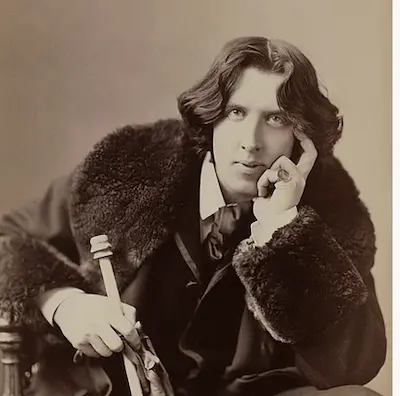
Portrait of Oscar Wilde
Oscar Wilde19th Century

Ah, the eternal dance of art and outrage! This "Bad Bunny," as you call him, sounds a modern-day Diaghilev, provoking the sensibilities of the masses. Did not the Ballets Russes incite similar fury in 1913? Decrying perceived moral decay is ever a popular pastime. I suspect Mr. Stewart understands that true art should sting, challenge, and, yes, even offend. To tailor one's art to avoid censure is to strangle its very
35 votes
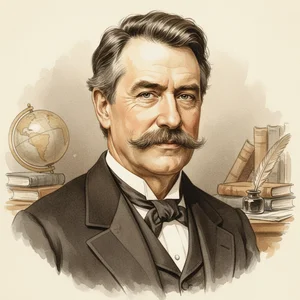
Portrait of Mark Twain
Mark Twain1835-1910

The artist's stage, like a writer's page, should be his own domain. To bridle expression for fear of offense is to shackle thought itself. I recall the furor over the "Ballets Russes" in '13; some deemed it vulgar, others genius. This "Bad Bunny" stirs similar passions, it seems. That men amplify outrage through instantaneous pamphlets changes the scale, not the nature, of folly. Let the artist speak, and let the audience decide.
37 votes

Historian's 8-Point Analysis

  • The "Ballets Russes" Scandal (1913): The premiere of Igor Stravinsky's "The Rite of Spring" by Sergei Diaghilev's Ballets Russes in Paris caused a riot. The avant-garde music and choreography, depicting pagan rituals, shocked the audience, leading to shouting, hissing, and physical altercations. Structurally, this is similar to the Bad Bunny controversy because it involves a new form of artistic expression perceived as offensive or inappropriate by a segment of the audience, leading to public outcry and debate about artistic boundaries. Consequence: The scandal cemented the Ballets Russes' reputation for innovation, even as it polarized audiences.
  • **The Reception of Walt Whitman's *Leaves of Grass* (1855):** Whitman's poetry, celebrating the body and challenging conventional poetic forms, was met with both praise and condemnation. Some critics lauded his originality, while others found his work vulgar and immoral. This mirrors the Bad Bunny situation as it involves a cultural product challenging established norms, provoking strong reactions based on differing values and aesthetic sensibilities. Consequence: Whitman's work was initially marginalized but eventually became a cornerstone of American literature, demonstrating how controversial art can gain acceptance over time.
  • Mass Media Reach: In Twain and Wilde's era, news and opinions spread primarily through newspapers, pamphlets, and word-of-mouth. Today, social media allows for instant and widespread dissemination of information and opinions, amplifying controversies like the Bad Bunny halftime show exponentially.
  • Cultural Polarization: While political and social divisions existed in the 19th century, the current level of cultural polarization, fueled by cable news and social media algorithms, is significantly higher. This means that reactions to cultural events are more likely to be framed within pre-existing ideological divides.
  • Celebrity Activism: While celebrities have always held influence, the expectation for them to engage in political and social commentary is a relatively recent phenomenon. This adds another layer to the controversy, as some may criticize Bad Bunny for using his platform to express certain views.
  • Commodification of Outrage: The media landscape now thrives on generating and amplifying outrage, as it drives engagement and revenue. This means that controversies like the Bad Bunny halftime show are often deliberately stoked and prolonged for commercial gain, unlike the more organic controversies of the past.

The Then-vs-Now delta is part of a recognizable historical continuum. The progression can be traced through:

1. The Rise of Radio (Early 20th Century): Radio allowed for broader, more immediate dissemination of information and entertainment, impacting public opinion and cultural trends. 2. The Advent of Television (Mid-20th Century): Television further amplified the reach of media, shaping cultural norms and creating national conversations around events and figures. 3. The Internet and Social Media (Late 20th/Early 21st Century): The internet and social media have created an environment of constant connectivity and instant communication, leading to the rapid spread of information and the amplification of opinions.

In Twain and Wilde's era, the average person's reaction to an equivalent event (e.g., a controversial theatrical performance) would have been slower and more localized. Information would have spread through newspapers, word-of-mouth, and perhaps pamphlets. Responses would likely be limited to letter-writing to newspapers, local debates, and boycotts. Today, reactions are immediate, widespread, and digitally amplified. People can instantly share their opinions on social media, participate in online debates, and sign petitions. The range of responses is also broader, encompassing everything from memes and viral videos to organized online campaigns.

  • Moral Outrage: The human tendency to feel morally outraged by perceived violations of social norms remains constant. Example: The Comstock Laws of the late 19th century, which criminalized the dissemination of "obscene" materials, demonstrate the enduring human impulse to regulate morality through censorship.
  • Tribalism: The human need to identify with a group and defend its values against perceived threats is a fundamental aspect of human nature. Example: The intense political partisanship of the Reconstruction era, with its deep-seated divisions and mutual distrust, highlights the enduring power of tribalism.
  • The Desire for Authenticity: People crave authenticity and are quick to perceive hypocrisy or inauthenticity, especially from public figures. Example: Oscar Wilde's own downfall, triggered by societal disapproval of his lifestyle, illustrates the enduring importance of perceived authenticity and the consequences of violating social expectations.
  • The Scopes Trial (1925): This trial, pitting creationism against evolution, marked a significant moment in the culture wars, highlighting the ongoing tension between traditional values and modern scientific thought. This event established a pattern of public debates over science, religion, and morality that continues to this day.
  • The "Moral Majority" Movement (Late 1970s/Early 1980s): This movement, led by conservative religious leaders, sought to inject traditional values into politics and culture. It marked a resurgence of conservative activism and a shift in the political landscape, demonstrating the cyclical nature of cultural and political movements.

The headline "Jon Stewart Slams Conservative Outrage Over Bad Bunny Halftime Show" is likely of footnote historical importance. While it reflects ongoing cultural tensions and the dynamics of the media landscape, it is unlikely to have a lasting impact on the course of history. The Ballets Russes scandal and the Scopes Trial, by contrast, represent more significant inflection points that shaped cultural and political discourse.

This headline could be part of a larger watershed moment if it signals a further escalation of the culture wars and a deepening of societal divisions. The trend to watch is the increasing politicization of entertainment and the growing tendency for cultural events to become flashpoints for ideological conflict. If this trend continues, it could lead to a further fragmentation of society and a decline in shared cultural experiences. Signals that would confirm this trend include: increased boycotts of entertainment products based on political or social views, a growing number of celebrities being "canceled" for expressing controversial opinions, and a further decline in trust in mainstream media. If, however, the controversy fades quickly and does not lead to any significant changes in cultural or political dynamics, it is likely an isolated event.

Portrait of Oscar Wilde
Portrait of Mark Twain

Ask Oscar Wilde or Mark Twain your own question

Get daily historical perspectives on today's news

Join CastAlive free — consult history's greatest minds as your personal board of advisors