The Winter’s Most Controversial Movie Has Revived a Decades-Old Debate. There’s Still No Clear Answer. - Slate
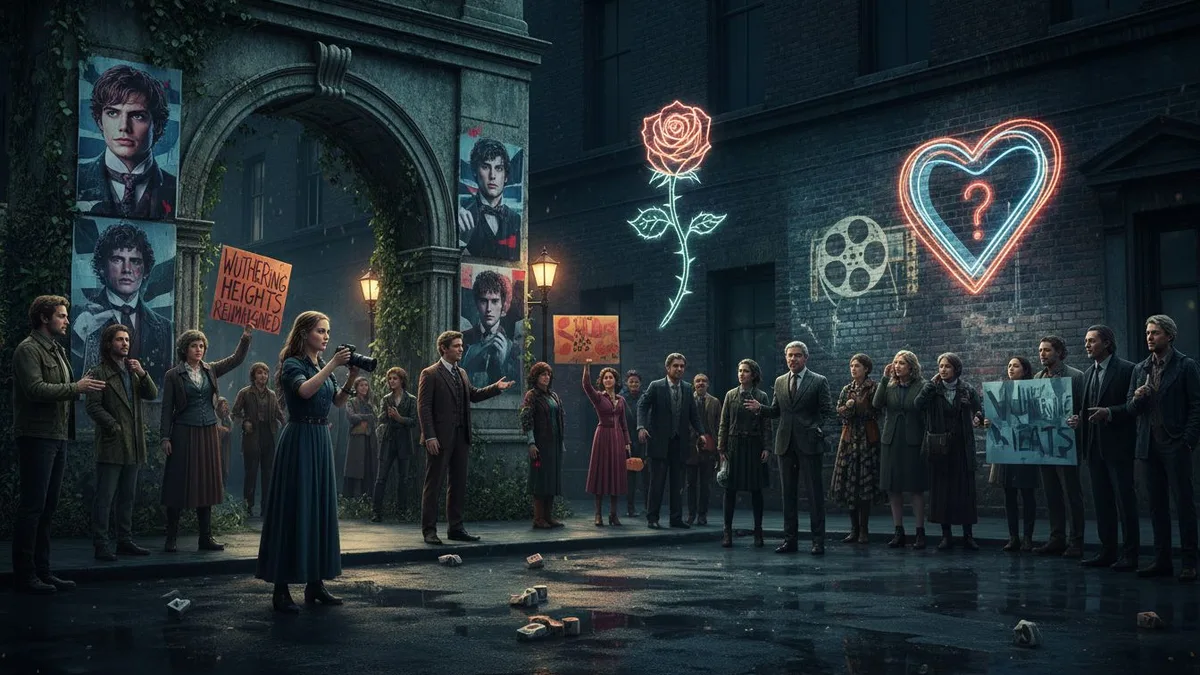
Emerald Fennell's new adaptation of *Wuthering Heights*, starring Margot Robbie and Jacob Elordi, has sparked heated debate.Critics are sharply divided over its explicit content, casting choices, and fidelity to Emily Brontë's novel.The core tension lies in balancing artistic interpretation with respecting the source material, and how we navigate evolving social norms in retelling classic stories.Should filmmakers prioritize faithfulness to the original text, or is it their prerogative to reinterpret classic works for a modern audience.
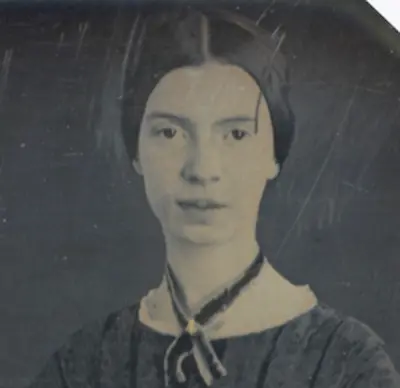
That *Wuthering Heights*, a tale of untamed passions, should incite such fervor in your age is hardly a surprise. Such was the fate of Flaubert's *Madame Bovary*, deemed scandalous for its portrayal of feminine desire. Your "social norms" shift like the sands, but the human heart remains a tempestuous sea. Whether filmmakers ought to be faithful – is the question itself not a cage? As Shakespeare wrote, "Beauty itself doth of itself persuade," yet some will always seek to bind it with convention. Let artists interpret, provoke, even offend! Better a vibrant discord than a sterile echo.
Fidelity? A fool's errand. As with Flaubert's *Madame Bovary*, which stirred passions in its day, this new *Wuthering Heights* merely reflects the shifting shores of societal taste. A story, like a seed, takes root in new soil. What blooms may surprise, even shock, but is it not life itself that startles us with its endless variety? You possess a means of instantaneous communication—a thousand newspapers delivered in a blink. Yet, the debates echo those of my time: What is permissible? What is beautiful? Let the artist provoke. Let the audience judge. Art should be a mirror, reflecting not what we are, but what we might become.