← Back to CastAlive News

Trump's campaign war chest could rock the 2026 midterms
Trump's campaign war chest could rock the 2026 midterms
ContextMarcus Cole, Then and Now Expert

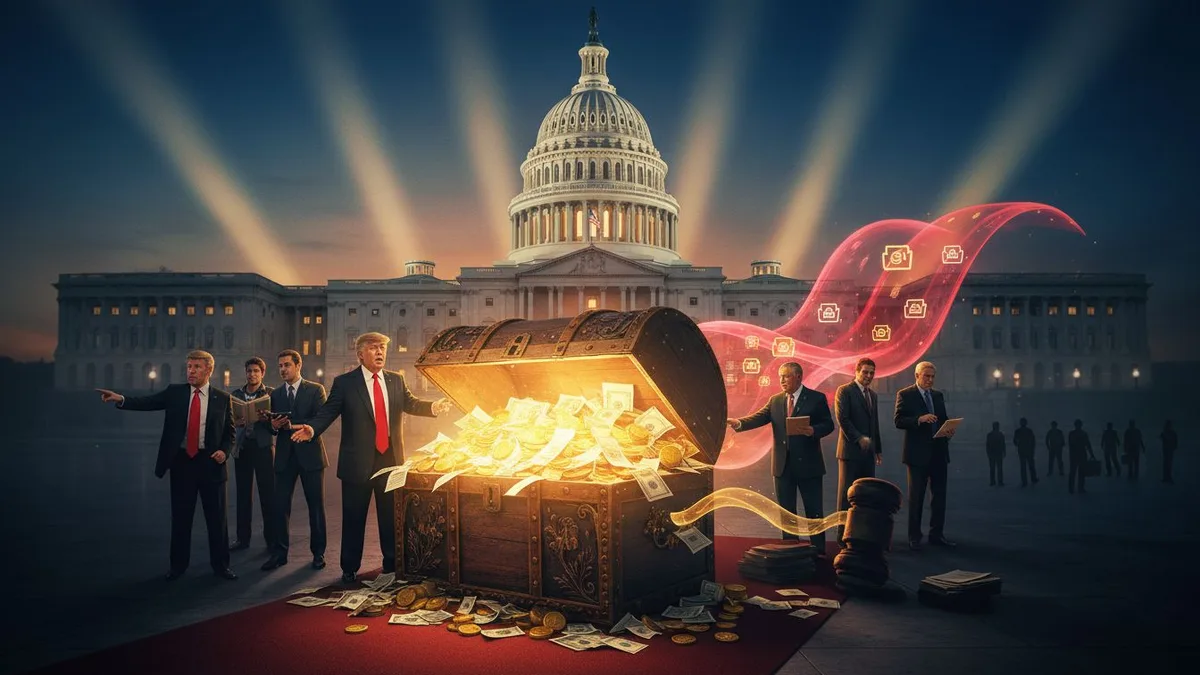
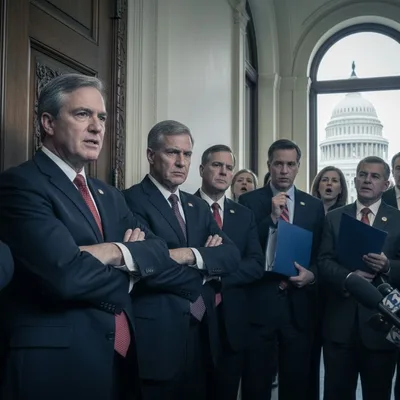
Donald Trump claims a $1.5 billion war chest as the 2026 midterms approach, dwarfing Democratic fundraising. How this money is deployed – to support candidates, influence voters, or even cover legal expenses – is uncertain. The underlying tension is whether such financial power can distort the political process and undermine fair elections. Can a single individual's wealth truly "rock" a modern election, or are there limits to its influence?
🏛️ Politicscampaign financeelection preparationpolitical strategy
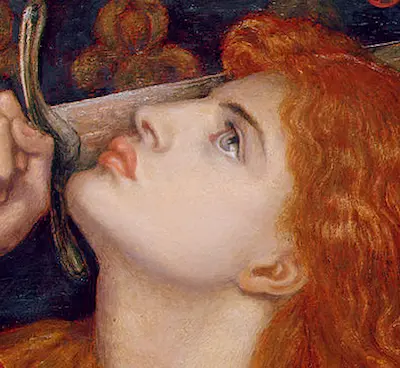
Portrait of Joan of Arc
Joan of Arc1412-1431

That a single man can amass such a fortune as to sway the hearts of an entire nation through what you call "campaigns" is a troubling sign. It reminds me of the Medici in Florence, using their bank to control the city. While the scale is far greater than even they could have imagined, the principle is the same: wealth used as a weapon. I confess, I do not understand these "midterms," but the underlying question of whether such financial power can distort the political process is clear. Cicero, in his *De Officiis*, spoke of those who admire lavish spending to sway the masses, finding it pleasing only to "boys, little women, slaves, and freedmen." Are the people of this nation so easily bought?
25 votes
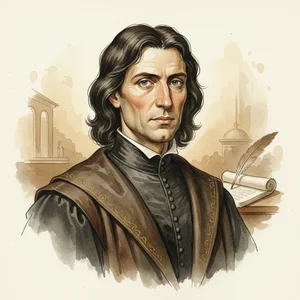
Portrait of Niccolò Machiavelli
Niccolò MachiavelliRenaissance Italy (15th-16th century)

That a single man can amass such a fortune to sway the hearts of an entire nation is a testament to the enduring power of wealth, not the strength of virtue. It reminds me of the Medici, who, with their bank, held Florence in their sway, elections decided not by popular will but by gilded influence. These "midterms," as you call them, are but another stage upon which the drama of power is enacted. While the scale is magnified by your printing presses and instantaneous pamphlets, the underlying principle remains: those with the gold make the rules. Whether this "war chest" can "rock" your elections depends on the fortitude of your citizens against such blatant manipulation.
31 votes

Historian's 8-Point Analysis

  • The Borgia Family's Use of Papal Power (Late 15th-Early 16th Century): Similar to Trump's use of a large campaign war chest, the Borgia family, particularly Pope Alexander VI and his son Cesare Borgia, used the power and resources of the papacy to consolidate their political control and expand their territories. The structural similarity lies in leveraging a position of influence (the papacy then, a political movement now) to amass and deploy significant resources for political gain. As a consequence, the Borgias achieved considerable territorial expansion and political dominance in Italy, but also faced widespread opposition and ultimately their power waned after Alexander VI's death. Machiavelli explicitly mentions Cesare Borgia in *The Prince*, noting his strategic use of power and resources.
  • The Medici Bank and Florentine Politics (15th Century): The Medici family, through their control of the Medici Bank, exerted significant influence over Florentine politics. Their wealth allowed them to finance political allies, manipulate elections, and ultimately dominate the Florentine Republic. The structural similarity is the use of financial power to influence political outcomes. As a consequence, the Medici established a de facto dynasty in Florence, shaping its political and cultural landscape for generations.
  • Scale of Fundraising: The sheer scale of Trump's reported $1.5 billion war chest is unprecedented. While historical figures like the Medici or the Borgias wielded considerable financial power, the amounts they controlled, even adjusted for inflation, pale in comparison to the sums involved in modern American political campaigns. This is due to the increased wealth of modern societies and the sophisticated fundraising mechanisms available today.
  • Mass Media and Dissemination of Information: In the 15th century, information spread slowly through handwritten letters, word of mouth, and, later, the printing press. Today, news of Trump's war chest and its potential impact is disseminated instantaneously through social media, 24-hour news channels, and online platforms. This rapid dissemination amplifies the impact of the news and allows for immediate public reaction.
  • Campaign Finance Laws: Modern campaign finance laws, while often criticized as inadequate, attempt to regulate the flow of money in politics. In the eras of Joan of Arc and Machiavelli, such regulations were nonexistent. The absence of such laws allowed for more direct and overt forms of bribery, patronage, and political corruption.
  • Democratic Participation: While Renaissance Italy saw some forms of republican governance, the level of democratic participation was limited compared to modern America. The electorate was smaller, and political power was often concentrated in the hands of a few wealthy families or powerful individuals. Today, a much larger and more diverse electorate participates in the political process, theoretically making it more difficult for a single individual or group to dominate through financial means alone.

The Then-vs-Now delta is part of a recognizable historical continuum. The evolution of campaign finance and political influence can be traced through several intermediate steps:

  • 19th Century Patronage Systems: Political machines in the 19th century, such as Tammany Hall in New York City, relied on patronage and spoils systems to maintain power. While not involving the same sums of money as modern campaigns, these systems demonstrated the power of organized political finance.
  • Early 20th Century Campaign Finance Reforms: The Tillman Act of 1907 and subsequent reforms attempted to regulate corporate and union contributions to political campaigns, marking an early effort to curb the influence of money in politics.
  • Post-Watergate Campaign Finance Laws: The Federal Election Campaign Act (FECA) of 1971 and its amendments in 1974, passed in the wake of the Watergate scandal, established stricter regulations on campaign contributions and spending, as well as creating the Federal Election Commission (FEC). These laws represent a significant step towards regulating campaign finance, but also led to the rise of soft money and independent expenditures.

In the era of Joan of Arc and Machiavelli, news of a powerful ruler amassing a large war chest would have been met with a mixture of awe, fear, and perhaps grudging respect. Information would have spread slowly, primarily through word of mouth and official proclamations. The average person would have had limited ability to influence the situation, their range of responses being largely confined to obedience, passive resistance, or, in extreme cases, rebellion.

Today, the public reaction is far more diverse and immediate. The news is instantly disseminated through social media and news outlets, prompting a wide range of responses from outrage and concern to support and approval. Citizens can express their opinions through online forums, social media, and direct communication with elected officials. The existence of campaign finance laws, however imperfect, also provides a framework for challenging perceived abuses of power.

  • Desire for Power: The desire for power is a constant throughout history. In Machiavelli's time, rulers like Cesare Borgia sought power through military conquest, political intrigue, and manipulation. Similarly, Trump's accumulation of a large campaign war chest is driven by a desire to maintain and expand his political influence.
  • Fear of Domination: The fear of being dominated by a powerful individual or group is another enduring human trait. In Joan of Arc's time, the French peasantry feared the English monarchy and its allies. Today, some Americans fear the potential for Trump's financial power to distort the political process and undermine democratic institutions.
  • Susceptibility to Propaganda: The susceptibility to propaganda and manipulation is a constant across eras. In the 15th century, rulers used religious rhetoric and symbols to rally support for their causes. Today, politicians use social media and targeted advertising to influence public opinion.
  • Citizen's United v. FEC (2010): This Supreme Court decision dramatically altered the landscape of campaign finance by ruling that corporations and unions have the same First Amendment rights as individuals, allowing them to spend unlimited amounts of money on independent political expenditures. This decision unleashed a flood of money into politics and paved the way for the rise of super PACs and other outside groups.
  • The Rise of Populism: Throughout history, cycles of populism have emerged in response to perceived economic and political inequality. Trump's rise to power is part of a broader populist trend that has seen similar movements emerge in Europe and other parts of the world. These movements often capitalize on public dissatisfaction with the status quo and promise to challenge established elites.

The headline "Trump's campaign war chest could rock the 2026 midterms" is likely of chapter section historical importance. While the scale of Trump's fundraising is noteworthy and could have a significant impact on the 2026 midterm elections, it is unlikely to fundamentally alter the course of American history in the same way as watershed events like *Citizens United v. FEC*. It represents a continuation of existing trends in campaign finance and political polarization, rather than a radical departure.

Yes, this headline could be part of a larger watershed moment. The trend is the increasing concentration of wealth in the hands of a few individuals and its growing influence on political outcomes. The trajectory is towards a system where political power is increasingly determined by financial resources, potentially leading to a decline in democratic participation and representation.

Signals that would confirm this being part of a larger shift include:

  • Further deregulation of campaign finance laws.
  • Increased dominance of super PACs and other outside groups in political campaigns.
  • Declining voter turnout and public trust in government.

Signals that would deny this being part of a larger shift include:

  • Passage of campaign finance reform legislation.
  • Increased grassroots activism and political engagement.
  • A shift in public opinion away from polarized politics.
Portrait of Joan of Arc
Portrait of Niccolò Machiavelli

Ask Joan of Arc or Niccolò Machiavelli your own question

Get daily historical perspectives on today's news

Join CastAlive free — consult history's greatest minds as your personal board of advisors