← Back to CastAlive News

Six of Sarah Ferguson's companies are being dissolved

BBC News|Feb 17
Six of Sarah Ferguson's companies are being dissolved
ContextMarcus Cole, Then and Now Expert

Sarah Ferguson, Duchess of York, faces scrutiny as six of her companies are being dissolved amid renewed attention on her past financial dealings, particularly her association with Jeffrey Epstein.This situation highlights the ongoing challenges faced by public figures when their business ventures intersect with scandal and controversy.The stakes involve reputation, accountability, and the legacy of public figures.Should Sarah Ferguson be held accountable for the actions of her associates, even if she claims ignorance.
👑 Civilitycelebrity associationslegal misconductreputation damage
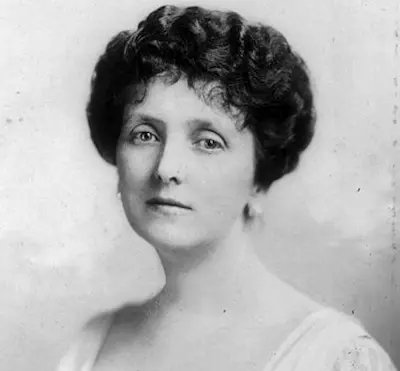
Portrait of Emily Post
Emily Post1872-1960

Accountability, it seems, is a garment easily shed when the sun shines on prosperity. That the Duchess of York finds herself entangled in financial imbroglios recalls, in a way, the Countess of Somerset scandal. Though your "internet" allows for a swifter dissemination of gossip than any society column I ever penned, the essence remains: public figures are held to account. Should she be held responsible for the choices of associates? By all means. While ignorance may offer a shield for a moment, it hardly absolves one of the duty to exercise prudence. One must learn to look, see, and understand the nature of the people around them.

31 votes
Portrait of Mark Twain
Mark Twain1835-1910

A Duchess embroiled in financial imbroglios? Why, it's a tale as old as the peerage itself! This echoes the Countess of Somerset's scandal, though amplified by what you call "social media"—an instantaneous pamphlet, spreading gossip faster than a Mississippi steamboat. Should she be held accountable? As Shakespeare wrote in Henry VIII, "Tis but the fate of place." Yet, ignorance is a flimsy shield. A public figure must be wary of the company they keep, lest their reputation, built on gilded promises, crumble to dust.


30 votes

Historian's 8-Point Analysis

  • The Countess of Somerset Scandal (1615-1616): This event shares structural similarities with the Sarah Ferguson headline in its entanglement of celebrity, scandal, and financial implications. Frances Howard, Countess of Somerset, was accused of plotting the murder of Sir Thomas Overbury. The scandal involved the highest levels of the court of King James I and implicated her husband, Robert Carr, Earl of Somerset, a favorite of the king. The consequence was the downfall of the Somersets, public disgrace, imprisonment, and a lasting stain on their reputation. Like Sarah Ferguson, the Countess was a prominent figure whose actions brought disrepute to the aristocracy and raised questions about the moral character of those in positions of privilege.
  • Queen Caroline Affair (1820): Queen Caroline, wife of King George IV, was publicly accused of adultery. This led to a highly publicized trial in the House of Lords, where the King attempted to divorce her. While the divorce ultimately failed, the affair severely damaged the reputation of the monarchy and fueled public discontent. The structural similarity lies in the public airing of private affairs, the association with scandal, and the damage to the reputation of the royal family. Like Sarah Ferguson, Queen Caroline was a figure whose actions reflected, rightly or wrongly, on the institution of the monarchy.
  • Speed and Reach of Information: In the eras of Post and Twain, news traveled much slower. Information about a scandal like this would spread via newspapers, word of mouth, and pamphlets, taking days or weeks to reach a wide audience. Today, the internet and social media allow news to spread globally in seconds. This instant dissemination amplifies the impact of the headline and subjects Sarah Ferguson to immediate and widespread public scrutiny.
  • Intensified Paparazzi and Media Scrutiny: While celebrity scandals existed in the past, the level of paparazzi intrusion and media scrutiny has intensified dramatically. The invention and proliferation of photography, followed by television and the internet, have created a culture of constant surveillance. Sarah Ferguson's every move is likely documented and analyzed, whereas in the past, such scrutiny would have been less pervasive.
  • Financial Transparency: Modern company law requires more transparency than existed in Twain's or Post's eras. The ability to easily access company records and director information online allows for greater scrutiny of financial dealings. This makes it easier to uncover and publicize any irregularities, increasing the potential for scandal.

The changes identified above are part of a recognizable historical continuum.

  • Rise of Mass Media: The invention of the printing press allowed for wider dissemination of information, but newspapers in the 18th and 19th centuries were still limited in reach.
  • Technological Advancements: The invention of photography, telegraph, radio, television, and finally the internet have each progressively increased the speed and reach of information.
  • Increased Celebrity Culture: The rise of celebrity culture, fueled by mass media, has created a greater public interest in the lives of prominent figures, making them more susceptible to scrutiny.

In Emily Post's era (late 19th/early 20th century), the public reaction would have been more measured and likely confined to certain social circles. Information would have spread through newspapers and gossip, but the level of outrage and judgment might have been tempered by a greater sense of decorum and deference to social hierarchy.

In Mark Twain's time (mid-to-late 19th century), the public reaction would likely have been more varied, depending on the individual's social class and political views. Twain himself might have satirized the situation, highlighting the hypocrisy and absurdity of the aristocracy.

Today, the public reaction is likely to be more immediate, widespread, and polarized. Social media allows for instant expression of opinions, often amplified by algorithms and echo chambers. The scandal is also likely to be viewed through the lens of modern social and political issues, such as wealth inequality and the abuse of power.

  • Schadenfreude: The pleasure derived from the misfortune of others. In Twain's era, the public enjoyed stories of wealthy individuals facing financial ruin or social disgrace. For example, the downfall of corrupt politicians or businessmen was often met with a sense of satisfaction. This impulse remains strong today, as evidenced by the widespread interest in celebrity scandals.
  • Moral Judgment: The tendency to judge others based on their actions and perceived moral character. Emily Post's writings emphasize the importance of proper behavior and upholding social norms. This desire to judge and condemn those who violate these norms remains a powerful force today, driving much of the public reaction to scandals.
  • Gossip and Curiosity: The inherent human interest in the lives of others, particularly those in positions of power or fame. This impulse has fueled gossip and rumor-mongering throughout history, and it continues to drive interest in celebrity scandals today.
  • The Profumo Affair (1963): This scandal, involving a British Secretary of State and a young model with connections to a Soviet diplomat, marked a turning point in the public's perception of the British establishment. It exposed hypocrisy and moral failings at the highest levels of government, leading to a loss of trust and a more cynical view of authority.
  • The rise of tabloid journalism: The late 20th century saw the rise of tabloid journalism, which focused on sensational stories and celebrity scandals. This shift in media landscape has created a culture of constant scrutiny and has amplified the impact of scandals like the one involving Sarah Ferguson.

The headline "Six of Sarah Ferguson's companies are being dissolved" is likely of footnote historical importance. While it reflects broader trends related to celebrity culture, financial scrutiny, and the impact of scandals, it is unlikely to have a lasting impact on the course of history. It is a symptom of larger issues rather than a cause of significant change. The Profumo Affair had far more impact.

This headline could be part of a larger watershed moment related to the reevaluation of figures associated with Jeffrey Epstein and the scrutiny of their past financial dealings. The trend is towards greater accountability for individuals who may have benefited from or enabled Epstein's behavior.

Signals that would confirm this being part of a larger shift include:

  • Further revelations about the financial dealings of other individuals associated with Epstein.
  • Increased public pressure on institutions and organizations to distance themselves from these individuals.
  • Changes in laws or regulations aimed at preventing similar abuses in the future.
Portrait of Emily Post
Portrait of Mark Twain

Ask Emily Post or Mark Twain your own question

Get daily historical perspectives on today's news

Join CastAlive free — consult history's greatest minds as your personal board of advisors