← Back to CastAlive News

1,500+ Comments Later, The Van Der Beek GoFundMe Controversy Reveals 5 Types of Americans - Yahoo

1,500+ Comments Later, The Van Der Beek GoFundMe Controversy Reveals 5 Types of Americans - Yahoo
ContextMarcus Cole, Then and Now Expert

Actor James Van Der Beek's death from cancer led to a GoFundMe for his family, sparking controversy due to their recent $4.76 million ranch purchase. While supporters cite medical debt and the children's future, critics question the need given their apparent wealth. This highlights tensions between celebrity expectations, public perception of wealth, and the ethics of online fundraising. Should public figures with significant assets solicit donations from the general public in times of need?
🎭 Culturecelebrity fundraisingpublic scrutinydonor motivation
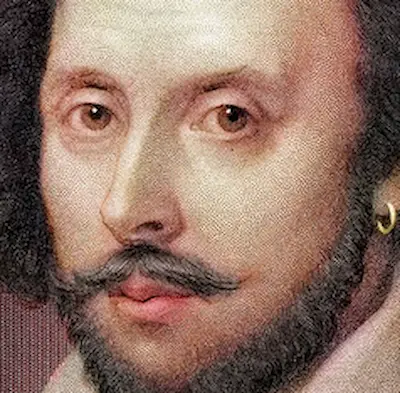
Portrait of William Shakespeare

Hath not a star its eclipses, and a sun its spots? This modern marvel of instantaneous supplication—this "GoFundMe," as you term it—smacks of the theater, where the painted king begs alms behind the curtain. As Seneca observed in "On Benefits," it ill becomes a cynic to crave that which he publicly scorns. Likewise, doth it not diminish a man of apparent fortune to solicit coin from those of lesser estate? Let Van Der Beek’s coffers suffice, lest he become a jest upon the very stage he treads. The question is not need but seemliness.
30 votes
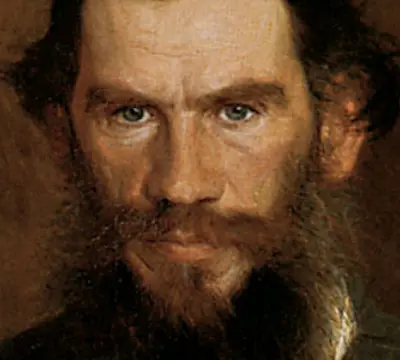
Portrait of Leo Tolstoy
Leo Tolstoy1828-1910

Are we so easily swayed by fortune's capricious dance that we begrudge a man aid simply because he once tasted prosperity? This modern "GoFundMe," a digital plea for assistance, reminds me of the pensions King Louis bestowed upon Molière – a source of both gratitude and resentment. Seneca observed that it is inconsistent for one who despises money to ask for it. Yet, if genuine need exists, should past success disqualify one from present charity? It seems the swiftness of your "social media" only amplifies the age-old struggle between compassion and envy. I say, let us err on the side of generosity, lest we become as miserly in spirit as we fear the recipient to be in practice.
32 votes

Historian's 8-Point Analysis

  • The Case of Molière's Pensions (1662-1673): Molière, the famous French playwright, received pensions and benefits from King Louis XIV. While not a GoFundMe, it represents a similar dynamic of a public figure receiving financial support, albeit from a monarch rather than the masses. The structural similarity lies in the potential for public scrutiny regarding the perceived "worthiness" of the recipient and the justification for the aid, especially if the recipient is seen as already privileged. The consequence was occasional grumbling, but ultimately the King's support ensured Molière's continued success and patronage.
  • Ben Jonson's Royal Pension (1616-1637): Ben Jonson, a contemporary of Shakespeare, received a royal pension from King James I, later continued by Charles I. This is another example of a prominent artist receiving financial support, raising questions about the appropriateness of such patronage. When Jonson faced financial difficulties, he also appealed to wealthy patrons for additional assistance. The consequence was a mixture of admiration for his talent and resentment towards his perceived reliance on handouts.
  • Church "Indulgences" (Pre-Reformation): While not directly analogous to a GoFundMe, the sale of indulgences by the Catholic Church prior to the Reformation shares the characteristic of soliciting funds from the public based on perceived need (in this case, the Church's need for funds and the individual's need for salvation). The backlash against indulgences stemmed from the perception that the Church was exploiting the faithful for financial gain, a sentiment echoed in some of the criticism of the Van Der Beek GoFundMe.
  • Speed and Scope of Information Dissemination: In Shakespeare and Tolstoy's eras, news traveled slowly, primarily through word of mouth, printed pamphlets, or newspapers with limited circulation. Today, social media allows information about the Van Der Beek GoFundMe to spread globally within minutes, amplifying both support and criticism.
  • Celebrity Culture and Parasocial Relationships: The concept of "celebrity" as we know it today, with intense public interest in the personal lives of entertainers, was less pronounced in previous eras. While figures like Shakespeare and Tolstoy were well-known, the level of scrutiny and the parasocial relationships fostered by modern media are unprecedented. This increased intimacy leads to stronger emotional reactions, both positive and negative, to celebrity actions.
  • Crowdfunding Platforms: GoFundMe and similar platforms are a relatively new phenomenon. The ability to solicit small donations from a large number of people democratizes fundraising but also opens it up to wider public scrutiny and potential abuse. In the past, fundraising relied on wealthy patrons or established institutions.
  • Financial Transparency (or Lack Thereof): While financial records were kept in the past, the level of public access and scrutiny of personal finances is much greater today. The ability to research property records and other financial information online fuels the debate about the Van Der Beek family's financial situation.

The Then-vs-Now delta is part of a recognizable historical continuum.

  • Rise of Print Culture: The invention of the printing press in the 15th century marked a shift towards wider information dissemination. Pamphlets and broadsides allowed for the rapid spread of news and opinions, albeit on a smaller scale than today's internet.
  • Development of Mass Media: The 19th and 20th centuries saw the rise of newspapers, radio, and television, each increasing the speed and reach of information. These media also contributed to the development of celebrity culture and parasocial relationships.
  • Internet and Social Media: The internet and social media represent the latest stage in this continuum, accelerating information dissemination and amplifying public discourse.

In Shakespeare's era, news of a wealthy actor receiving a pension or soliciting donations would likely have been confined to court circles and the London theater scene. The average person would have been unaware or indifferent. In Tolstoy's time, news of a wealthy artist's financial situation might have spread through newspapers, but the reaction would likely have been more localized and less emotionally charged. Today, the Van Der Beek GoFundMe is a global news story, generating intense debate and emotional responses across social media.

  • Envy/Resentment: The tendency to feel envy or resentment towards those perceived as more fortunate is a constant across eras. In Shakespeare's time, the success of rival playwrights like Ben Jonson fueled envy and competition.
  • Compassion/Empathy: The capacity for compassion and empathy towards those in need is another enduring human trait. In Tolstoy's Russia, charitable giving was a common practice, motivated by genuine concern for the less fortunate.
  • Moral Judgment: The inclination to make moral judgments about the actions of others is a fundamental aspect of human nature. In both Shakespeare and Tolstoy's eras, individuals were judged based on their adherence to societal norms and moral codes.
  • The Protestant Reformation (1517): The Reformation, sparked by Martin Luther's criticism of indulgences, marked a turning point in the relationship between individuals and institutions. It challenged the authority of the Catholic Church and paved the way for greater individual autonomy and critical thinking.
  • The Rise of Philanthropy (19th Century): The 19th century saw the rise of modern philanthropy, with wealthy industrialists like Andrew Carnegie and John D. Rockefeller donating vast sums to charitable causes. This marked a shift towards a more systematic and organized approach to charitable giving.

The Van Der Beek GoFundMe controversy is likely a footnote in history. While it reflects broader trends in celebrity culture and crowdfunding, it is unlikely to have a lasting impact on society. The Reformation and the rise of philanthropy were far more significant events that fundamentally reshaped the relationship between individuals, institutions, and charitable giving.

This headline could be part of a larger watershed moment if it signals a growing skepticism towards celebrity crowdfunding and a re-evaluation of the ethics of online fundraising. The trend is towards greater scrutiny of celebrity finances and a demand for transparency and accountability. Signals that would confirm this being part of a larger shift include a decline in the success rate of celebrity GoFundMe campaigns and increased public discourse about the ethics of crowdfunding. If celebrity GoFundMe campaigns continue to be successful without significant backlash, it would suggest that this is an isolated event.

Portrait of William Shakespeare
Portrait of Leo Tolstoy

Ask William Shakespeare or Leo Tolstoy your own question

Get daily historical perspectives on today's news

Join CastAlive free — consult history's greatest minds as your personal board of advisors