These charts show how Trump is isolating the US on the world stage
Photo
The headline suggests Trump's "America First" policies are isolating the U.S. diplomatically, shifting global influence towards China. UN voting patterns reveal decreasing alignment with the U.S. and increasing alignment with Beijing. This challenges the post-Cold War world order. The underlying tension: maintaining U.S. global leadership versus prioritizing national interests. Given these shifts, is Trump's approach a necessary correction or a dangerous abdication of American influence?
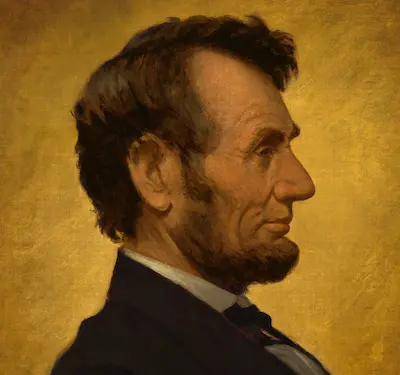
Must we always choose between the siren song of national interest and the higher angels of our nature? This notion that Mr. Trump's policies are a "necessary correction" is a dangerous simplification. Isolation, however tempting in its promise of self-reliance, is a fool's errand in a world knit together by trade and shared destiny. While I understand the desire to put America first, true strength lies not in retreating from the world stage, but in leading with wisdom and empathy. To abdicate our influence is to cede ground to those who may not share our commitment to liberty and justice. We must strive to be a beacon of hope, not a solitary flame flickering in the darkness.

Is it any surprise that a nation, acting in what it perceives as its own best interest, finds itself at odds with others? Did we not see this with France in the late 1790s? This "America First," as it is termed, is but a modern echo of a timeless principle: self-preservation. These charts, these alignments with Beijing, are but reflections of shifting alliances, driven by perceived advantage. Is it a dangerous abdication? Perhaps. But is it not also a necessary assertion of sovereignty, a nation acting as a “delegate or representative of his people," as Blackstone observes, pursuing its own course? The question is not whether it is liked, but whether it is just and serves the interests of its own citizens.