← Back to CastAlive News

Irish regulator opens EU privacy investigation into Grok deepfakes

Irish regulator opens EU privacy investigation into Grok deepfakes
ContextMarcus Cole, Then and Now Expert

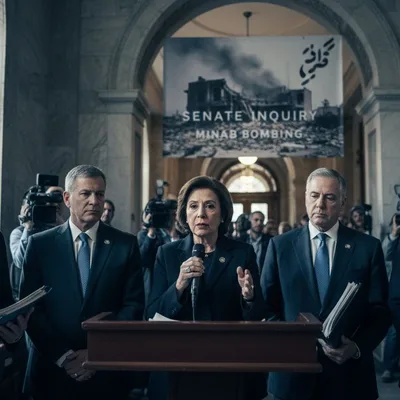
Ireland's Data Protection Commission is investigating X (formerly Twitter) over its Grok AI chatbot generating nonconsensual deepfakes, potentially violating EU privacy laws. This follows earlier concerns about X's data scraping policies and the use of personal data to train Grok. The underlying tension is between technological innovation and individual privacy rights in the age of AI. Given the historical context, should we prioritize innovation or privacy when regulating AI-powered platforms like X?
💻 InnovationAI privacydeepfake generationplatform regulation
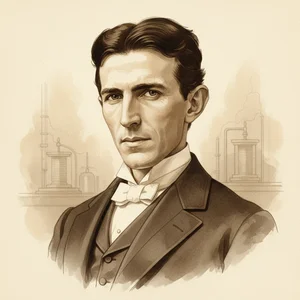
Portrait of Nikola Tesla
Nikola Tesla19th-20th Century Serbia/America

Has the pursuit of progress blinded us to the shadows it casts? This "Grok," this digital mimicry, it reminds me of the printing press unleashed upon Europe – a torrent of information, yes, but also of falsehoods and base slanders. The speed of this new technology is indeed alarming. Yet, human nature remains unchanged. As Plato observed, are we ensuring that the purveyors of these technologies are not corrupting morals, especially amongst the young? Therefore, privacy deserves priority. We must ask if this innovation truly serves humanity or simply amplifies our capacity for deception. We must consider whether these “deepfakes” are a mere parlor trick or a tool for societal corrosion.
40 votes
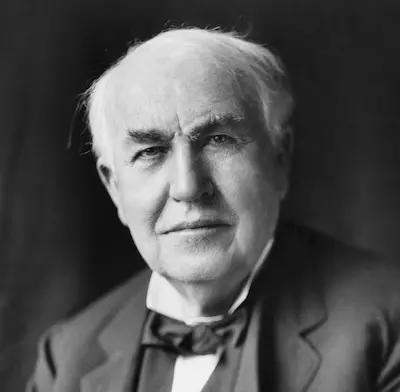
Portrait of Thomas Edison
Thomas Edison19th-20th Century America

This talk of "deepfakes" reminds me of the charlatans who sold miracle cures from the back of wagons, promising what they could not deliver. The printing press spread its own share of falsehoods, yet we did not smash every press in the land. Your Ireland's Data Protection Commission seems intent on throttling innovation in the name of privacy. The question is not whether to prioritize one over the other, but whether to find a balance. Perhaps Mr. Tesla can advise on how to regulate the flow of this new "electricity" without extinguishing the light it promises.
28 votes

Historian's 8-Point Analysis

  • The Printing Press and Libel (16th Century): The advent of the printing press allowed for the rapid dissemination of information, including potentially libelous or slanderous material. This is structurally similar to the Grok deepfake situation because both involve the rapid spread of potentially harmful content through a new technology. The consequence of the printing press was the development of libel laws and censorship efforts by governments and religious authorities to control the flow of information and protect reputations.
  • Photography and Image Manipulation (Late 19th Century): The early days of photography saw concerns about image manipulation and the potential for misrepresentation. While not as sophisticated as deepfakes, techniques like retouching and photomontage raised questions about the veracity of photographic evidence and the potential for deception. The consequence was a growing awareness of the potential for photographic manipulation and the need for critical evaluation of images.
  • Radio Broadcasting and Propaganda (Early 20th Century): The rise of radio broadcasting provided a powerful new tool for disseminating information and propaganda. Governments and political organizations used radio to influence public opinion, sometimes through the spread of misinformation or biased narratives. This is similar to the Grok situation in that both involve the use of a technology to spread information, with the potential for manipulation and harm. The consequence was the development of regulations and ethical guidelines for broadcasting, as well as a growing awareness of the potential for propaganda.
  • Speed and Scale of Dissemination: In Tesla and Edison's era, the spread of information was limited by the speed of printing presses, the reach of telegraphs, and the physical distribution of newspapers. Today, information spreads globally in seconds via the internet, social media, and AI-powered platforms like X. This makes the potential for harm from deepfakes far greater and more immediate.
  • Sophistication of Technology: While photography existed in their time, the ability to create realistic, AI-generated deepfakes is a qualitatively different technological leap. The ease with which anyone can create and disseminate convincing fake images and videos is unprecedented.
  • Data Privacy Laws: GDPR and other data privacy regulations are a modern invention. In Tesla and Edison's time, there was little to no legal framework governing the collection, use, and protection of personal data. This means that the legal and regulatory response to the Grok deepfake situation is fundamentally different from anything that could have occurred in their era.
  • Concentration of Power: The concentration of AI development and deployment in the hands of a few powerful corporations like xAI is a relatively new phenomenon. This raises concerns about accountability and the potential for these companies to shape public discourse and manipulate information.

The Then-vs-Now delta is part of a recognizable historical continuum.

  • 19th Century: Telegraph and mass-produced newspapers increased the speed and reach of information dissemination, leading to concerns about sensationalism and misinformation.
  • Early 20th Century: Radio broadcasting further accelerated the spread of information and propaganda, prompting the development of regulations and ethical guidelines.
  • Late 20th Century: The rise of television and the internet created new opportunities for the spread of information and misinformation, leading to concerns about media bias and the impact of technology on democracy.

In Tesla and Edison's era, the average person would have been skeptical of claims of manipulated images or information, but the limited reach and slower dissemination would have contained the impact. Without the internet or social media, a deepfake scandal would likely have been confined to specific regions or social circles. Today, the public is more aware of the potential for misinformation and manipulation, but the sheer volume and speed of information make it difficult to discern truth from falsehood. Public reaction is likely to be more polarized and amplified by social media echo chambers.

  • Desire for Novelty/Sensation: People have always been drawn to sensational stories and novel experiences. In the late 19th century, this manifested in the popularity of dime novels and sensationalist journalism. The Grok deepfakes tap into this same desire for novelty and sensation, albeit through a more technologically advanced medium.
  • Gullibility/Susceptibility to Deception: Human beings are inherently susceptible to deception, particularly when it confirms their existing beliefs or prejudices. In Tesla and Edison's time, this was exploited by political propagandists and fraudulent inventors. The Grok deepfakes exploit this same vulnerability, making it easier to spread misinformation and manipulate public opinion.
  • Schadenfreude: People have a tendency to derive pleasure from the misfortune of others. In the late 19th and early 20th centuries, this manifested in the popularity of gossip columns and scandalous exposes. The Grok deepfakes can be used to create harmful and embarrassing content about individuals, tapping into this same human tendency.
  • World War I (1914-1918): The use of propaganda by all sides during World War I demonstrated the power of mass media to influence public opinion and shape the course of events. This led to a greater awareness of the potential for manipulation and the need for critical evaluation of information.
  • The rise of the Internet and Social Media (Late 20th/Early 21st Century): This fundamentally altered the landscape of information dissemination and communication, creating new opportunities for both good and ill. The Grok deepfake situation is a direct consequence of this technological shift.

The Grok deepfake headline is likely a chapter section in the history of AI ethics and regulation. While it highlights a significant problem and may lead to regulatory action, it is unlikely to be a watershed moment on the scale of the rise of the internet or the development of nuclear weapons. It is more likely to be a contributing factor to a larger trend of increasing scrutiny and regulation of AI and social media platforms.

Yes, this headline could be part of a larger watershed moment. The trend is towards increasing sophistication and accessibility of AI-generated content, coupled with growing concerns about misinformation, privacy, and manipulation. The potential impact is a further erosion of trust in institutions and a destabilization of democratic processes. Signals that would confirm this being part of a larger shift include:

  • Further proliferation of deepfakes and other AI-generated misinformation.
  • Increasingly sophisticated and difficult-to-detect deepfakes.
  • Widespread use of deepfakes in political campaigns and other attempts to influence public opinion.
  • Further regulatory action by governments and international organizations.
  • Growing public awareness and concern about the potential harms of deepfakes.
Portrait of Nikola Tesla
Portrait of Thomas Edison

Ask Nikola Tesla or Thomas Edison your own question

Get daily historical perspectives on today's news

Join CastAlive free — consult history's greatest minds as your personal board of advisors