← Back to CastAlive News

What to know about the arrest of Andrew Mountbatten-Windsor

What to know about the arrest of Andrew Mountbatten-Windsor
ContextMarcus Cole, Then and Now Expert

Andrew Mountbatten-Windsor, formerly Prince Andrew, has been arrested on suspicion of misconduct in public office, specifically relating to allegations he shared confidential trade information with Jeffrey Epstein. This arrest follows the release of Epstein files implicating Andrew. The tension lies between the public's demand for accountability and the monarchy's struggle to maintain its reputation. Should the arrest of Prince Andrew be considered a watershed moment for royal accountability, or an isolated incident?

👑 CivilityRoyal misconductEpstein associationabuse allegations
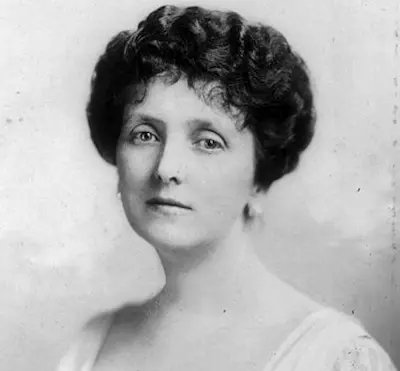
Portrait of Dorothy Paine Madison

How little the trappings of royalty can shield one from the consequences of poor judgment. This Andrew, like many before him, finds that privilege offers no sanctuary from scrutiny. I am reminded of Katherine, queen dowager of Henry V, who, as Blackstone notes, maintained an action in court, revealing that even a queen was subject to the laws of the land. The speed with which these accusations spread—borne on currents swifter than any post rider could manage—is indeed astonishing. Yet, the core question remains: does this arrest signal a true shift in accountability, or is it merely another chapter in the long and colorful history of royal scandal? I fear it is the latter, amplified by a thousand voices but ultimately driven by the same timeless hunger for justice, or perhaps, for spectacle.
26 votes
Portrait of Emily Post
Emily Post1872-1960

Has the drawing room become a courtroom, then, with every indiscretion a cause célèbre? This arrest, and the "Epstein files" that prompted it, remind me uncomfortably of the Profumo Affair – a tawdry business magnified by the relentless gossip of the press. The question is whether this is accountability or spectacle. This "social media," a sort of instantaneous, ubiquitous scandal sheet, fans the flames of outrage with alarming speed. It is a watershed, perhaps, but one overflowing with the same old mire.

22 votes

Historian's 8-Point Analysis

  • The Case of Mary, Queen of Scots (1568-1587): Mary, Queen of Scots, faced accusations of involvement in the murder of her husband, Lord Darnley, and subsequent conspiracies against Queen Elizabeth I of England. The structural similarity lies in the intersection of royal status, scandal, and potential treasonous activity. Mary's actions, whether proven or not, threatened the stability of the English monarchy. Consequence: Mary was imprisoned for nearly two decades before being executed for treason.
  • The Abdication Crisis of Edward VIII (1936): King Edward VIII's decision to marry Wallis Simpson, a twice-divorced American socialite, created a constitutional crisis in Britain. The structural similarity is the conflict between personal desires of a royal figure and the expectations/duties placed upon them, leading to a major disruption within the monarchy. Consequence: Edward VIII abdicated the throne, leading to his brother, George VI, becoming king.
  • The Profumo Affair (1963): John Profumo, the Secretary of State for War in the UK, had an affair with Christine Keeler, who was also involved with a Soviet naval attaché. The scandal involved sex, lies, and potential national security breaches. The structural similarity lies in the intersection of powerful figures, scandalous behavior, and potential compromise of national interests. Consequence: Profumo resigned, and the Conservative government suffered a significant loss of credibility.
  • Mass Media and Instant Communication: In Madison's and Post's eras, news traveled much slower, relying on newspapers, word of mouth, and later, radio. Today, news of Andrew's arrest spreads globally within minutes via the internet, social media, and 24-hour news channels. This instantaneous dissemination amplifies the scandal and subjects the royal family to intense, immediate scrutiny.
  • Increased Scrutiny of Public Figures: While scandals involving royalty were not unheard of in the past, the level of public scrutiny has intensified dramatically. The rise of investigative journalism, citizen journalism, and social media has created an environment where public figures are held to higher standards of accountability. This is a marked change from the more deferential attitudes of the 18th and early 20th centuries.
  • Shift in Social Mores: Attitudes toward sexual abuse and exploitation have evolved significantly. In earlier eras, such matters were often handled discreetly or ignored altogether, particularly when involving powerful individuals. Today, there is greater awareness of these issues and a stronger demand for justice and accountability.
  • The Internet and Dissemination of Information: The immediate release of the Epstein files online, and the ease of accessing them, is a major delta. Previously, such information would have been carefully controlled and filtered.

The changes identified above are part of a recognizable historical continuum.

  • Rise of Mass Media: The invention of the printing press in the 15th century marked the beginning of mass media, followed by the development of newspapers in the 17th and 18th centuries.
  • Growth of Investigative Journalism: The late 19th and early 20th centuries saw the rise of investigative journalism, with muckrakers exposing corruption and scandal in business and politics.
  • Proliferation of Social Media: The late 20th and early 21st centuries witnessed the emergence of the internet and social media, creating a platform for instant communication and citizen journalism.

In Madison's era (late 18th/early 19th century), news of a scandal involving a European royal would have taken weeks or months to reach the average American. Information would have been filtered through newspapers and personal letters, often with a pro-monarchy bias. Public reaction would likely have been limited to educated elites and those with access to news sources.

In Post's era (early to mid-20th century), news would have traveled faster via newspapers and radio. Public opinion would have been more widespread, but still limited by the availability of information and the prevailing social norms. While scandal would have been shocking, there would likely have been a greater degree of deference to royalty and a reluctance to openly criticize them.

Today, public reaction is immediate, global, and highly polarized. Social media allows for instant dissemination of information and a wide range of opinions, from outrage and condemnation to skepticism and conspiracy theories.

  • Gossip and Scandal: The human fascination with gossip and scandal has remained constant throughout history. People have always been interested in the private lives of public figures, particularly those in positions of power. Example: In Madison's era, the scandalous affairs of prominent politicians like Alexander Hamilton were widely discussed and debated.
  • Schadenfreude: The enjoyment of others' misfortune is a persistent human trait. The downfall of a powerful figure like Prince Andrew can elicit feelings of schadenfreude in those who resent privilege and power. Example: In Post's era, the public humiliation of figures like Al Capone, after his tax evasion conviction, was met with widespread satisfaction.
  • Moral Outrage: The sense of moral outrage at perceived injustice or wrongdoing is a fundamental human emotion. The allegations against Prince Andrew, particularly those involving sexual abuse, can trigger strong feelings of moral outrage and a desire for accountability. Example: In both Madison and Post's eras, public outrage over issues like slavery and child labor led to social and political reforms.
  • The French Revolution (1789-1799): This event challenged the legitimacy of monarchy and aristocracy, promoting ideals of equality and popular sovereignty. It redirected the course of European history, leading to the rise of republicanism and the decline of absolute monarchies.
  • The Me Too Movement (2017-Present): This social movement has raised awareness of sexual harassment and assault, empowering victims to speak out and holding perpetrators accountable. It has led to a reevaluation of power dynamics and a greater demand for justice and equality.

The arrest of Prince Andrew is likely a *chapter section* in history. While it is a significant event that reflects broader trends in society, it is unlikely to have the transformative impact of the French Revolution or the Me Too movement. It is more a symptom of these larger shifts than a cause.

Yes, this headline could be part of a larger watershed moment. The trend is the increasing scrutiny of powerful individuals and institutions, particularly in relation to issues of sexual abuse and exploitation. The trajectory is toward greater accountability and transparency.

Signals that would confirm this being part of a larger shift include:

  • Further investigations and prosecutions of individuals linked to Jeffrey Epstein.
  • Increased public pressure on institutions to address issues of sexual abuse and misconduct.
  • Significant reforms in laws and policies related to sexual assault and exploitation.

If the arrest of Prince Andrew proves to be an isolated event with no broader consequences, it would suggest that this is not part of a larger shift.

Portrait of Dorothy Paine Madison
Portrait of Emily Post

Ask Dorothy Paine Madison or Emily Post your own question

Get daily historical perspectives on today's news

Join CastAlive free — consult history's greatest minds as your personal board of advisors