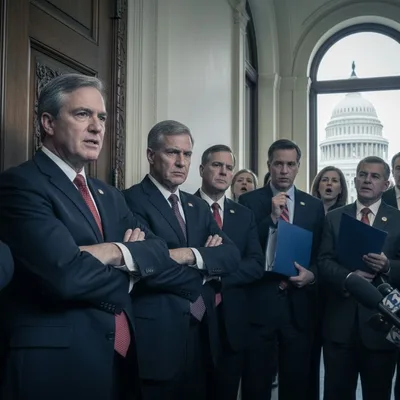
Trump warns of 'bad things' if Iran doesn't make a deal
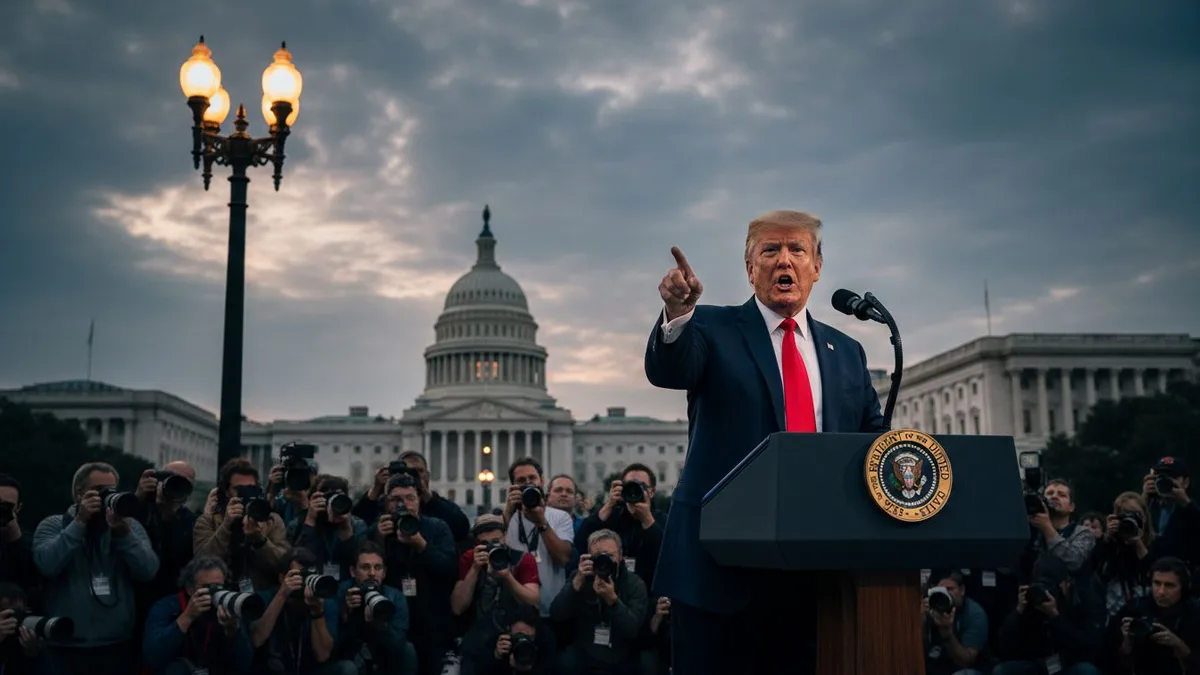
President Trump is again warning Iran, this time about unspecified "bad things" if they don't agree to a nuclear deal. This echoes his 2018 withdrawal from the JCPOA, followed by Iran's increased uranium enrichment. The underlying tension remains: preventing Iran from developing nuclear weapons while avoiding military conflict. Given the current volatile geopolitical landscape, should the US prioritize diplomacy or continue economic pressure and military posturing?

Does the man not understand that threats, like improperly aimed arrows, often strike the archer? Trump's warning regarding Iran's nuclear ambitions echoes the sentiments that led to the English Navigation Acts, where economic pressure begat resentment and, ultimately, rebellion. These "bad things," as he vaguely phrases them, are but a modern iteration of coercive diplomacy. Yet, the presence of what you call "nuclear weapons" raises the stakes considerably. Whilst I advocated for property rights in *Two Treatises of Government*, I never imagined instruments capable of such utter destruction. The question remains: Can any lasting peace be built upon a foundation of threats, or must diplomacy, however arduous, be the path forward?

That a man should threaten "bad things" unless another bends to his will is the language of tyranny, regardless of the distance voices now travel to spread such pronouncements. This "nuclear deal," as you call it, bears a resemblance to the Navigation Acts that strained relations between England and her colonies. Just as England sought to control colonial trade, this Trump seeks to dictate terms to Iran through economic pressure. Such coercion breeds resentment and invites defiance. Did we not learn from our own revolution that liberty cannot be bartered with threats? Prioritizing diplomacy, however arduous, is the only path that avoids the abyss, for as Thomas Paine wrote, "if something is not done in time, it will be too late to do any thing.