← Back to CastAlive News

Lord Mandelson arrested on suspicion of misconduct in public office

BBC News|Feb 25
Lord Mandelson arrested on suspicion of misconduct in public office
ContextMarcus Cole, Then and Now Expert

Lord Mandelson, a former government minister, has been arrested for allegedly sharing market-sensitive information with Jeffrey Epstein.Emails suggest Mandelson leaked policy details in 2009-2010.The arrest follows the release of documents and Mandelson's sacking as ambassador.The government plans to release more documents, fueling political tensions.The underlying tension: government transparency versus protecting an active police investigation.Given the historical context of similar scandals, should Lord Mandelson be presumed innocent until proven guilty, or is immediate public condemnation warranted.
👑 Civilitypolitical misconductpublic office abusehigh-profile arrest
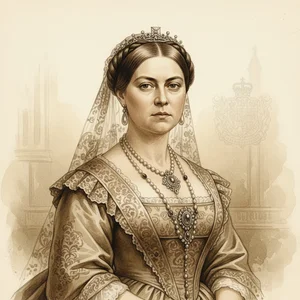
Portrait of Queen Victoria

The whiff of scandal, alas, is rarely absent from the corridors of power. While the allegations against Lord Mandelson are grave, we must tread with caution. To condemn without due process is to invite the very injustice we seek to prevent. Let the investigation proceed with utmost diligence, but let us not abandon the bedrock principle of presumed innocence. Hasty judgment breeds only further discord and potentially ruins a man based on whispers and suspicion. Surely, we have learned from history that fairness and justice must be the guiding lights, even when shadows lengthen.
32 votes
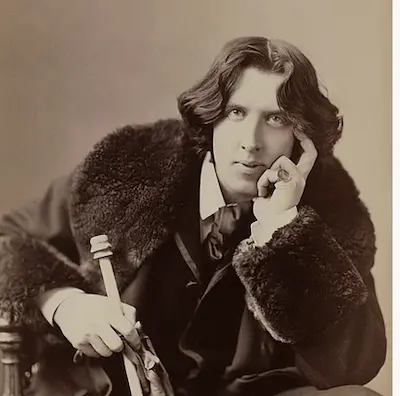
Portrait of Oscar Wilde
Oscar Wilde19th Century

Ah, Mandelson in the stocks! The costume changes, yet the play remains a familiar farce. This smacks of your South Sea Bubble, does it not? Public officials enriching themselves through means best left unexamined. Though, I imagine the news of such transgressions travels with a speed that would make even the most seasoned gossip of my day blush. Presumption of innocence is a fine sentiment, but one must be blind to the world's stage to ignore the scent of corruption. Immediate public condemnation is not warranted, but a healthy dose of suspicion? Absolutely. Let us dissect the truth, not with blind faith, but with the keen eye of a critic reviewing a poorly written drama.

25 votes

Historian's 8-Point Analysis

  • The South Sea Bubble Scandal (1720): This event shares structural similarities with the Mandelson arrest. In 1720, directors of the South Sea Company were accused of using their positions and insider knowledge to manipulate the stock market for personal gain. Like Mandelson, these individuals held positions of public trust and were accused of abusing their power for financial benefit. The consequence was a parliamentary inquiry, the imprisonment of some directors, and significant damage to public trust in government and financial institutions.
  • The Profumo Affair (1963): While primarily a scandal involving sexual impropriety and national security, the Profumo Affair also involved allegations of a government minister, John Profumo, lying to Parliament about his relationship with Christine Keeler, who was also linked to a Soviet intelligence officer. This parallels the claim that Mandelson "lied" during his vetting process. The consequence was Profumo's resignation, a major political crisis for the Conservative government, and a significant erosion of public trust.
  • The Crédit Mobilier Scandal (1872-1873): In the United States, this scandal involved members of Congress accepting bribes and stock options from the Crédit Mobilier construction company, which was building the Union Pacific Railroad. The company was overcharging the railroad and using its political connections to avoid scrutiny. This is similar to the Mandelson case in that it involves the abuse of public office for private gain and the potential compromising of government policy decisions. The consequences included congressional investigations, censure of some members of Congress, and damage to the reputations of prominent political figures.
  • Speed and Reach of Information: In the Victorian era, news of political scandals would spread primarily through newspapers, pamphlets, and word of mouth. Today, the internet and social media allow information to spread globally in seconds. This means that the public reaction to the Mandelson arrest is likely to be far more immediate and widespread than it would have been in Queen Victoria's time.
  • Increased Scrutiny of Public Figures: The Victorian era had a different standard of privacy for public figures. While scandals certainly occurred, the level of scrutiny and public demand for transparency has increased dramatically. The release of documents by the US Department of Justice and the UK government's intention to release more would be unprecedented in the 19th century.
  • Professionalization of Policing and Investigation: Modern police forces, like the Metropolitan Police, have forensic capabilities and investigative techniques that were unavailable in the 19th century. The scale and scope of the investigation into Mandelson's alleged misconduct would be far more extensive and sophisticated than anything possible during the reigns of Victoria.
  • Political Polarization: The current political climate is highly polarized, with social media amplifying partisan divides. This means that the reaction to the Mandelson arrest is likely to be heavily influenced by pre-existing political allegiances, with supporters and opponents of the current government interpreting the events through their respective lenses.

The increased scrutiny of public figures is part of a recognizable historical continuum.

  • 18th-19th Century: Rise of the Popular Press: The emergence of newspapers and pamphlets allowed for greater dissemination of information about political figures and their actions.
  • Early 20th Century: Investigative Journalism: The development of investigative journalism led to more in-depth scrutiny of corruption and misconduct in government and business.
  • Late 20th Century: Television and 24-Hour News: The advent of television and 24-hour news channels further amplified the reach and intensity of media coverage of political scandals.

In Queen Victoria's era, news of a similar scandal involving a high-ranking official would have spread more slowly, primarily through newspapers and word of mouth. The public would likely have been outraged by the alleged abuse of power and breach of trust, but their ability to express their anger would have been limited to writing letters to newspapers, attending public meetings, or participating in protests. Today, the public reaction is likely to be much faster and more widespread, with immediate commentary and debate on social media, online news sites, and 24-hour news channels. The family of Virginia Giuffre publically commenting would be unusual, as victims of sexual abuse were often silenced.

  • Desire for Justice: The fundamental human desire for justice and fairness is activated by this headline. In the Victorian era, this desire manifested in public outrage over corruption and abuse of power. For example, public anger over the perceived injustices of the Corn Laws fueled the Anti-Corn Law League.
  • Suspicion of Authority: A natural skepticism towards those in power is a constant across eras. In the 19th century, this suspicion was evident in the Chartist movement, which demanded greater political representation and accountability from the ruling class.
  • Schadenfreude: The pleasure derived from the misfortune of others, particularly those in positions of power, is a consistent human trait. The downfall of a prominent figure like Lord Mandelson would likely elicit a degree of schadenfreude, even among those who might otherwise sympathize with him.
  • Watergate Scandal (1972-1974): This event significantly increased public skepticism towards government and led to greater demands for transparency and accountability. It also established a precedent for aggressive investigative journalism and the prosecution of high-ranking officials for misconduct.
  • The Cycle of Scandal and Reform: History demonstrates a cyclical pattern of scandal, public outrage, calls for reform, and eventual complacency, followed by another scandal. The Mandelson arrest could be seen as part of this ongoing cycle.

The likely historical importance of the Mandelson arrest is a chapter section. While it is a significant event with potential political ramifications, it is unlikely to have the transformative impact of Watergate or other major watershed events. The South Sea Bubble caused a major economic crisis, something not yet seen here. It is more likely to be remembered as a specific instance of political misconduct within a broader context of ongoing debates about transparency, accountability, and the influence of powerful individuals.

This headline could be part of a larger watershed moment, reflecting a growing trend of increased scrutiny of public figures and a declining tolerance for misconduct in public office. The trajectory suggests that public expectations for ethical behavior from politicians and government officials will continue to rise. Signals that would confirm this being part of a larger shift include:

* Increased prosecution of public officials for corruption and abuse of power. * Greater transparency in government decision-making and financial dealings. * Strengthened laws and regulations to prevent conflicts of interest and ethical breaches. If these signals do not materialize, the Mandelson arrest is more likely to be an isolated event.

Portrait of Queen Victoria
Portrait of Oscar Wilde

Ask Queen Victoria or Oscar Wilde your own question

Get daily historical perspectives on today's news

Join CastAlive free — consult history's greatest minds as your personal board of advisors