← Back to CastAlive News

Keith Flint's devil-horned bench defended by Braintree reverend

BBC News|Mar 11

Photo

ContextMarcus Cole, Then and Now Expert

A memorial bench honoring Prodigy frontman Keith Flint, featuring devil horns, has been installed in a Braintree churchyard.Despite some questioning the appropriateness of the design, Reverend Rod Reid defends it as a respectful tribute, citing the family and band's involvement in the design.The bench has become a local talking point.The underlying tension is between honoring a local icon and respecting religious sensibilities.
🎭 CultureReligious symbolismchurch decorationartistic expression
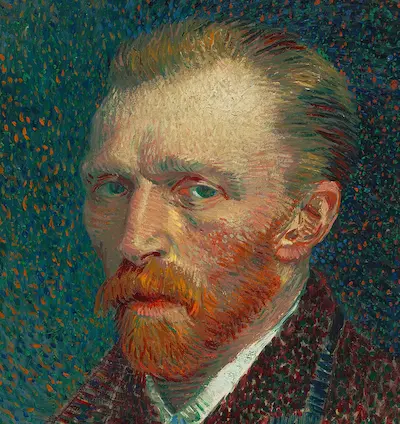
Portrait of Vincent van Gogh

To adorn a churchyard with devil's horns – is this not akin to the gilded cages where we imprison nature's songbirds, claiming beauty while stifling the soul? Reverend Reid defends this bench; yet, I wonder if he has considered the unsettling harmony it creates. The question has not changed; only the materials with which we pose it. Is it appropriate to blend secular artistic tributes with religious symbolism in sacred spaces? Consider the Iconoclasm in the Byzantine Empire – the fervent destruction of images deemed heretical. These "social media" echoes that fervor, though now voices rise and fall like waves upon the shore. My soul sought beauty, but also reverence. Does such a symbol invite reflection, or merely discord?

0 votes
Portrait of Michelangelo
Michelangelo1475-1564

A churchyard defiled with devilry? This smacks of the iconoclasts who once sought to purge holy images from Byzantium itself! The faithful, I say, have a right to expect reverence in sacred ground. This "Prodigy," as you call him, may be celebrated by some, but his horned bench is a crude intrusion. I am told that voices now travel instantly through the air. Your instruments would have astonished my generation, but their use serves only to amplify the discord. Let the man be memorialized elsewhere. The churchyard should be a sanctuary, not a stage for secular spectacle. Is it appropriate? No.


0 votes

Historian's 8-Point Analysis

  • The Iconoclasm (8th-9th Centuries): This period in Byzantine history involved the rejection of religious images (icons) by iconoclasts, who believed they were idolatrous. The structural similarity lies in the debate over the appropriateness of certain symbols (devil horns vs. religious icons) within a sacred space (churchyard vs. churches). The consequence was a period of intense religious and political turmoil, including the destruction of religious art and persecution of icon supporters. This lasted for over a century, with periods of icon veneration and iconoclasm alternating until the final restoration of icons in 843 AD.
  • The Reformation (16th Century): Martin Luther's challenge to the Catholic Church's practices, including the sale of indulgences and the veneration of saints, sparked a religious revolution. A key element was the rejection of certain artistic representations and rituals deemed superstitious or idolatrous. The parallel is the questioning of established religious norms and the introduction of potentially controversial symbols into religious spaces. The consequence was the fragmentation of Western Christianity, leading to wars and profound social and political changes.
  • The "Entartete Kunst" (Degenerate Art) Exhibition (1937): The Nazi regime in Germany condemned modern art as "degenerate" and organized an exhibition to mock and discredit it. The similarity lies in the clash between artistic expression and perceived moral or ideological standards, with the state (or, in this case, a segment of the community) acting as the arbiter of what is acceptable. The consequence was the suppression of artistic freedom and the persecution of artists.
  • Mass Media and Social Media: Michelangelo relied on commissions from wealthy patrons and the Church to display his art. Van Gogh, though selling some works, primarily relied on his brother's support. Today, social media provides a direct and immediate platform for artists to share their work and for the public to express their opinions, bypassing traditional gatekeepers. The "devil-horned bench" story spread rapidly through news outlets and social media, amplifying the debate and allowing for immediate feedback from a global audience.
  • Shifting Religious Landscape: In Michelangelo's time, the Catholic Church held immense power and influence in Europe. In Van Gogh's time, religious influence was waning, but still significant. Today, secularism is more prevalent in many Western societies, and the authority of religious institutions has diminished. This means that the placement of a potentially controversial symbol in a churchyard is likely to generate more diverse opinions and less automatic deference to religious authority.
  • Copyright and Intellectual Property: While patronage existed, the concept of intellectual property as we know it today did not. Artists today have significantly more control over their work and its interpretation. The fact that The Prodigy and Flint's family approved the bench's design is a key factor in the current debate, whereas in earlier eras, the patron or the Church might have had more say.
  • Memorialization Practices: In the past, memorials were often grand, formal affairs, commissioned by wealthy patrons or the state. Today, memorialization is more democratized, with communities and individuals creating tributes in diverse forms, reflecting a wider range of personal and cultural values. The Keith Flint bench exemplifies this trend, representing a more informal and personalized form of remembrance.

The Then-vs-Now delta is part of a recognizable historical continuum.

  • Rise of the Printing Press (15th Century): This invention allowed for the mass production of books and pamphlets, facilitating the spread of new ideas and challenging the Church's monopoly on information.
  • The Enlightenment (18th Century): This intellectual movement emphasized reason, individualism, and skepticism toward traditional authority, paving the way for greater secularism and freedom of expression.
  • The Development of Photography and Film (19th-20th Centuries): These technologies democratized image-making and allowed for the rapid dissemination of visual information, further challenging traditional artistic and religious norms.

In Michelangelo's era, the average person, largely illiterate and deeply religious, would likely have been shocked and possibly outraged by the inclusion of "devil horns" in a churchyard. Information would have spread slowly through word of mouth, and the Church's response would have been decisive, potentially leading to the bench's removal or alteration.

In Van Gogh's era, public reaction would have been more varied, reflecting the growing secularism and artistic experimentation of the time. While some would still have been offended, others might have seen it as a provocative artistic statement. Information would have spread through newspapers and artistic circles, and the debate would have been more nuanced.

Today, public reaction is highly fragmented and amplified by social media. Opinions range from outrage to support, and the debate is often polarized along cultural and political lines. The speed and reach of information dissemination are unprecedented, and the impact of the controversy is likely to be short-lived.

  • The Desire for Remembrance: Humans have always sought ways to remember and honor the dead. Ancient Egyptians built elaborate tombs and filled them with provisions for the afterlife. Michelangelo created sculptures like the Pietà to commemorate religious figures and express grief. The Keith Flint bench serves the same fundamental purpose: to keep the memory of a beloved figure alive.
  • The Tendency Towards Moral Outrage: Humans are prone to moral outrage when they perceive a violation of their values or beliefs. During the Reformation, religious reformers condemned the Catholic Church's practices as immoral and corrupt. Today, some people are outraged by the inclusion of "devil horns" in a churchyard, viewing it as disrespectful to Christianity.
  • The Appreciation of Beauty and Art: Humans have always been drawn to beauty and artistic expression. Michelangelo's frescoes in the Sistine Chapel were celebrated for their beauty and artistic skill. Van Gogh's paintings, though initially unappreciated, are now revered for their emotional intensity and visual impact. The Keith Flint bench, regardless of its controversial design, is intended as a work of art and a tribute to a beloved musician.
  • The Enlightenment (18th Century): This period emphasized reason, individualism, and secularism, challenging traditional religious authority and paving the way for greater freedom of expression. This redirected the course of art and culture, leading to new forms of artistic expression and a more critical approach to religious institutions.
  • The Rise of Rock and Roll (Mid-20th Century): This musical genre challenged social norms and religious conventions, becoming a symbol of youth rebellion and cultural change. This redirected the course of music and popular culture, leading to greater acceptance of diverse forms of artistic expression and a more critical attitude towards traditional values. There is a cyclical nature to moral panics around music and art. Each generation seems to have a new form of expression that older generations find shocking or offensive.

The likely historical importance of today's headline is at the footnote level. While the debate over the Keith Flint bench is interesting and reflects broader cultural trends, it is unlikely to have a lasting impact on history. The Iconoclasm and the Reformation were transformative events that reshaped religion and society. The "Entartete Kunst" exhibition was a symptom of a totalitarian regime. The Keith Flint bench is a localized controversy that is unlikely to have such far-reaching consequences.

This headline could be part of a larger watershed moment, reflecting a growing tension between traditional religious values and contemporary cultural norms. The trend is towards greater secularism, individualism, and acceptance of diverse forms of artistic expression. If this trend continues, we may see more challenges to traditional religious authority and more controversies over the placement of potentially offensive symbols in public spaces.

Signals that would confirm this being part of a larger shift include:

  • Increased frequency of similar controversies involving art and religion.
  • Further decline in religious affiliation and attendance.
  • Greater acceptance of secular values in public life.

Signals that would deny this being part of a larger shift include:

  • A resurgence of religious influence in society.
  • A backlash against secularism and individualism.
  • A decline in artistic experimentation and cultural diversity.
Portrait of Vincent van Gogh
Portrait of Michelangelo

Ask Vincent van Gogh or Michelangelo your own question

Get daily historical perspectives on today's news

Join CastAlive free — consult history's greatest minds as your personal board of advisors