Why the price of oil matters more than you might think
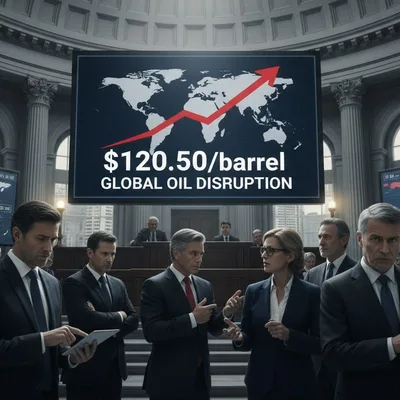
Today's debate centers on the economic fallout from the US and Israel's war with Iran, which has disrupted global oil supplies.Prices are spiking, impacting everything from petrol at the pump to jet fuel and fertilizer costs.Some fear a broader economic downturn, while the White House insists the crisis is temporary.The underlying tension is whether this is a manageable blip or a major economic threat.
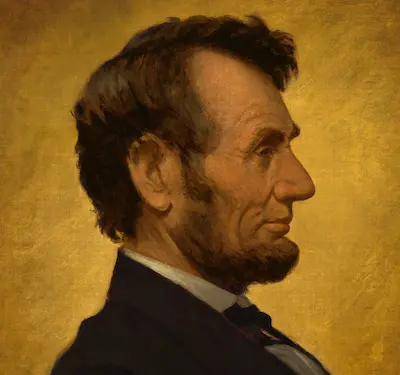
A fire in one house may warm the next, but it may also burn it down. This disruption to the oil supply – a circumstance I confess I comprehend only imperfectly – reminds me of the cotton embargo before our war. It was thought King Cotton would bring England to our side. It brought only resentment and a hardening of hearts. You have made the world smaller, binding nations together with these… pipelines, I gather? Yet those bonds can become chains if one nation holds the valve. Whether this is a manageable blip, as your White House claims, or a deeper threat depends less on the price of oil itself, and more on whether men can resist the temptation to use it as a club.

That the price of oil, like the price of cotton, should sway nations is a sad testament to humanity's enduring servitude to material want. This "war with Iran," as you call it, echoes the blockades and embargoes that plagued our republic's early years. Then, as now, disruption to trade threatens to unravel the delicate threads that bind states together. Whether it is "manageable blip" or a "major economic threat" depends entirely on whether those who wield power possess the wisdom to recognize that economic warfare is a game in which all parties ultimately lose.