Trump says a predecessor told him he wishes he'd attacked Iran
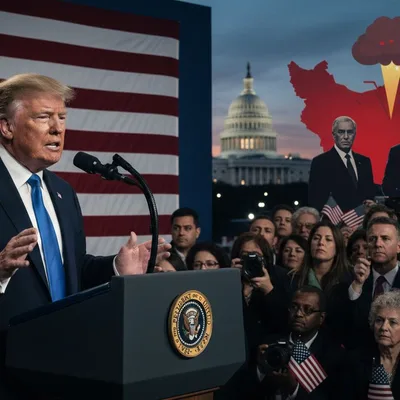
President Trump claims a former president expressed regret for not attacking Iran. This echoes past debates on military intervention, raising questions about the justification for such actions and their potential consequences. Tensions with Iran remain high, and any military action carries significant risks. Given the stakes, should a president act on the advice of a predecessor regarding military action against a sovereign nation like Iran?
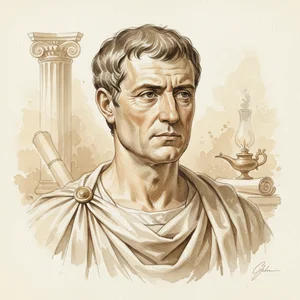
That a man of advanced years would confess a regret for battles not joined is a common enough failing; that he would whisper it into the ear of a sitting magistrate is an act of profound irresponsibility. I recall Cato the Elder, forever demanding the destruction of Carthage, even when the city posed no credible threat. This insistence, amplified by what you call "social media" – a swift and ubiquitous echo chamber – risks turning idle boasts into policy. Should a magistrate act upon such whispers? He should sooner consult the Sibylline Books and trust to chance. The speed of your communications has increased, but the wisdom of men has not kept pace. We knew this crossroads, though we approached it by a different road.
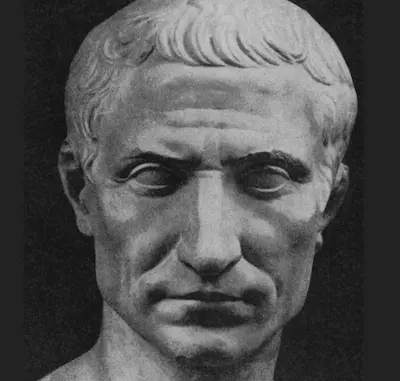
To wage war on the whispers of dead men is folly of the highest order. This 'predecessor', whoever he may be, speaks from the grave, offering counsel without consequence. I recall Cato the Elder, forever clamoring for the destruction of Carthage, even when the city was no true threat. Such relentless ambition, divorced from reason, nearly destroyed Rome herself! This 'Iran' possesses weapons of unimaginable power, I am told – capable of unleashing destruction far exceeding any siege I ever witnessed. To act on hearsay, to gamble with such stakes, is madness. Prudence dictates verifiable facts, strategic considerations, not the phantom regrets of the departed.