← Back to CastAlive News

Ex-police chief said Trump told him 'everyone' knew of Epstein's behaviour
BBC News|Feb 12
Ex-police chief said Trump told him 'everyone' knew of Epstein's behaviour
ContextMarcus Cole, Then and Now Expert

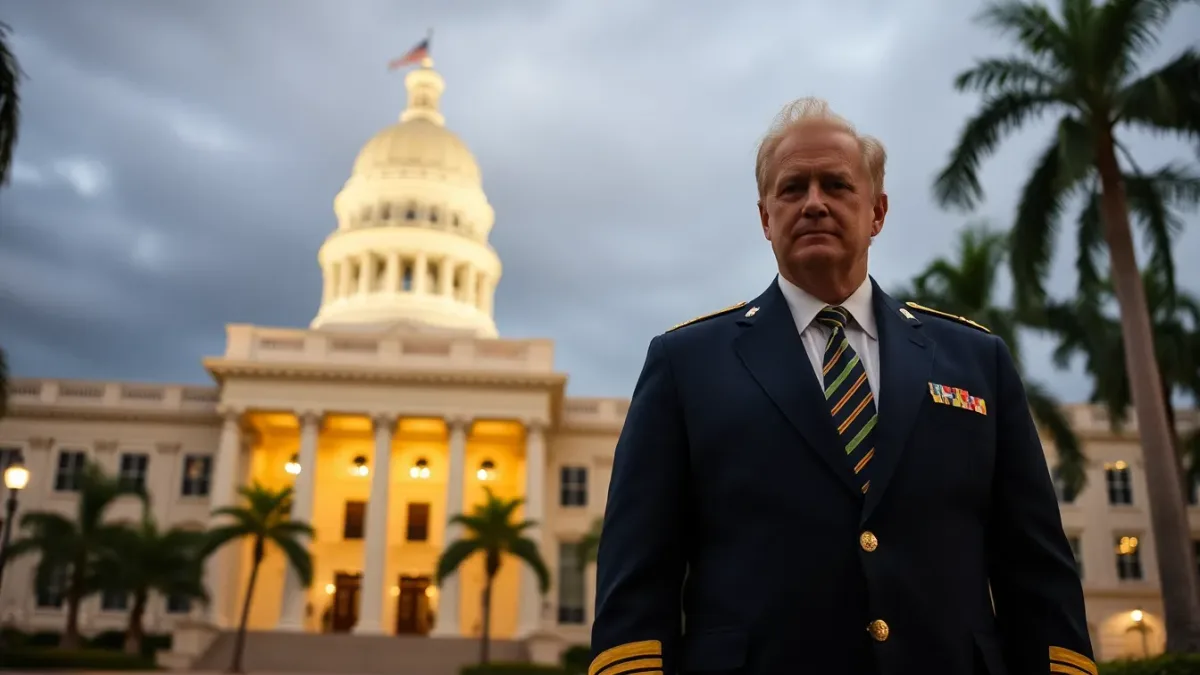
Reports surfaced that former Palm Beach Police Chief Michael Reiter claims Donald Trump told him in 2006 “everyone” knew about Jeffrey Epstein’s behavior. This is based on FBI documents released as part of the Epstein case. The claim contradicts Trump’s past statements. The underlying tension is whether Trump was aware of Epstein's actions and if he’s been truthful about their relationship. Should Trump be held accountable for allegedly knowing about Epstein’s crimes?
🏛️ Politicssexual misconductpolitical connectionsaccountability
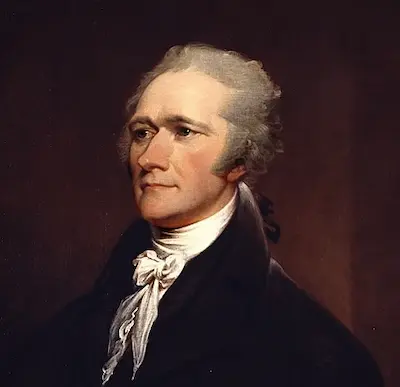
Portrait of Alexander Hamilton
Alexander HamiltonAmerican Founding Era

The stench of scandal, it seems, transcends the ages. This echoes the whispers surrounding Sacheverell, though amplified a thousandfold by what you call "social media." It is a whirlwind of pronouncements, accusations, and defenses, leaving little room for truth to take root. Accountability? If the man knew of these depravities and said nothing, then surely censure is warranted. But let us not be swayed by partisan fury. Was this a genuine pursuit of justice, or a calculated strike against a political foe? Such motives often intertwine, and discerning the truth becomes a perilous task. I recall the constant accusations leveled against me by my enemies. The air was thick with slander. Truth became a casualty.
32 votes
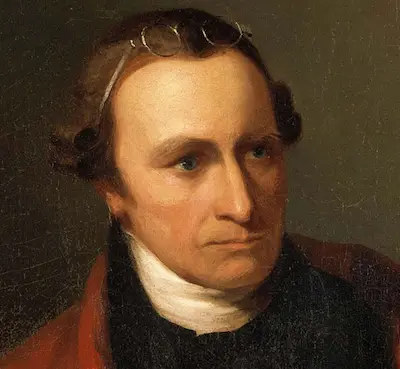
Portrait of Patrick Henry
Patrick Henry1736-1799

Accountability? The question itself is poisoned! You believe this is unprecedented, yet I watched its rehearsal in the trial of John Peter Zenger. Then, as now, the cry for justice masked a hunger for political advantage. This "Epstein," like the alleged libels of Zenger, becomes a tool. You wield these instantaneous pamphlets – what you call social media – to condemn a man based on whispers and shadows. While I confess I do not know the particulars of this "Trump's" relationship, I know the scent of a witch hunt when I smell it. Was Sacheverell truly a threat to the crown, or merely a convenient target? Is this Trump a rogue, or simply an enemy to those who now seek his ruin? Let us demand proof, not just accusations amplified by the mob.

25 votes

Historian's 8-Point Analysis

  • The Sacheverell Affair (1710): This event involved a high church Anglican clergyman, Henry Sacheverell, who preached sermons attacking the Whig government's policy of religious toleration. The Whig government impeached Sacheverell, leading to a trial that became a major public spectacle. Structural Similarity: A figure with political connections is accused of impropriety (Sacheverell of sedition, Trump of complicity). The accusation becomes highly politicized, dividing the public along existing political lines. Consequence: Sacheverell was found guilty but given a light sentence, effectively a victory for the Tories. The affair contributed to the Whig's defeat in the 1710 elections.
  • The South Sea Bubble (1720): This financial scandal involved widespread speculation in the South Sea Company, leading to a massive market crash. Many prominent figures, including members of Parliament, were implicated in insider trading and corruption. Structural Similarity: The scandal involves powerful figures and accusations of covering up or benefiting from unethical behavior. Public outrage is fueled by a sense of betrayal and injustice. Consequence: The scandal led to the downfall of several government officials and a period of political instability. It also prompted reforms in financial regulation, although these were limited.
  • The Burr-Hamilton Duel and Conspiracy (1804-1807): While not directly analogous to sexual misconduct, the Burr-Hamilton duel highlights how accusations of impropriety, political maneuvering, and personal vendettas could quickly escalate into significant political crises. Burr's subsequent alleged conspiracy to create a new nation in the West further underscores the dangers of unchecked ambition and the potential for prominent figures to engage in questionable activities. Structural Similarity: A prominent figure (Burr) becomes embroiled in controversy due to questionable actions and alleged misconduct. Public opinion is sharply divided, with some defending Burr and others condemning him. Consequence: Burr's political career was effectively destroyed, and he was tried for treason (though acquitted).
  • Mass Media and Instant Communication: In Hamilton and Henry’s time, news traveled slowly, primarily through newspapers, pamphlets, and word of mouth. Today, social media and 24-hour news cycles disseminate information instantly and globally. This means the "Ex-police chief" headline would have spread virally, generating immediate and widespread public reaction, unlike the slower dissemination of information in the 18th century.
  • Investigative Journalism and Freedom of Information: While investigative journalism existed in the 18th century, it was less developed and constrained by limited resources and government censorship. Today, investigative journalists have greater access to information through freedom of information laws and advanced research tools. The release of the Epstein files and the reporting on Reiter's claims would have been impossible in the 18th century.
  • Legal and Social Attitudes Towards Sexual Misconduct: In the 18th century, attitudes towards sexual misconduct, particularly involving women and children, were significantly different. While such behavior was often condemned, the legal and social consequences were often less severe, especially for wealthy and powerful men. Today, there is greater awareness of sexual abuse and a stronger push for accountability, fueled by movements like #MeToo. This creates a different context for evaluating Trump's alleged knowledge of Epstein's behavior.
  • Political Polarization: While political divisions existed in the founding era (Federalists vs. Anti-Federalists), the level of polarization today is arguably more intense. News is often consumed within echo chambers, reinforcing existing beliefs and making it harder to reach a consensus on controversial issues. This would amplify the partisan reactions to the headline, making it more difficult to assess the truth of the allegations.

The Then-vs-Now delta is part of a recognizable historical continuum regarding media and information dissemination.

  • 19th Century: The rise of the penny press and telegraph allowed for faster and wider dissemination of news.
  • 20th Century: Radio and television brought news into homes, creating a shared national experience.
  • Late 20th/Early 21st Century: The internet and social media revolutionized news consumption, enabling instant global communication and citizen journalism.

The shift in attitudes towards sexual misconduct is also part of a continuum, albeit with periods of regression and advancement.

  • 19th Century: Gradual reforms in laws related to women and children, but continued societal acceptance of certain forms of exploitation.
  • Early-Mid 20th Century: Increased awareness of sexual abuse and exploitation, but limited legal and social recourse for victims.
  • Late 20th/Early 21st Century: The rise of feminist movements and increased awareness of sexual harassment and assault, leading to legal reforms and greater accountability.

In Hamilton and Henry's era, news of an ex-police chief accusing a prominent figure of knowing about sexual misconduct would have spread relatively slowly. The average person would likely learn about it through newspapers or word of mouth, perhaps weeks or months after the alleged event. Their reaction would depend on their political affiliations and social standing. Elites might discuss it in coffee houses and political gatherings, while the general public might hear rumors and gossip. There would be limited opportunities for widespread public debate or organized protest.

Today, the reaction is immediate and widespread. Social media amplifies the news, generating instant outrage and calls for accountability. Online petitions, protests, and boycotts can be organized within hours. The public is bombarded with information and opinions from various sources, making it difficult to discern the truth.

  • Confirmation Bias: The tendency to seek out and interpret information that confirms existing beliefs. In Hamilton's era, Federalists would likely dismiss accusations against a fellow Federalist, while Anti-Federalists would seize upon them as evidence of corruption. Today, this bias is amplified by social media echo chambers.
  • Hero Worship/Demonization: The tendency to idealize or vilify public figures. In the 18th century, figures like George Washington were often idealized, while opponents like Benedict Arnold were demonized. Today, this tendency is evident in the strong support and intense opposition that figures like Trump elicit.
  • Gossip and Scandal: The human fascination with the private lives and misdeeds of prominent figures. In Hamilton's era, gossip about the affairs of prominent politicians was common. Today, this fascination is fueled by the media and social media, creating a constant stream of celebrity and political scandals.
  • The Profumo Affair (1963): This British political scandal involved a Secretary of State for War, John Profumo, who had an affair with a woman who was also involved with a Soviet intelligence officer. Date: 1963. How it redirected the course: The scandal led to Profumo's resignation and damaged the reputation of the Conservative government. It also sparked
Portrait of Alexander Hamilton
Portrait of Patrick Henry

Ask Alexander Hamilton or Patrick Henry your own question

Get daily historical perspectives on today's news

Join CastAlive free — consult history's greatest minds as your personal board of advisors