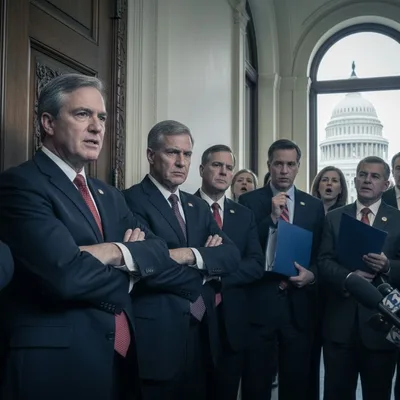
Governors won't hold Trump meeting after White House only invited Republicans
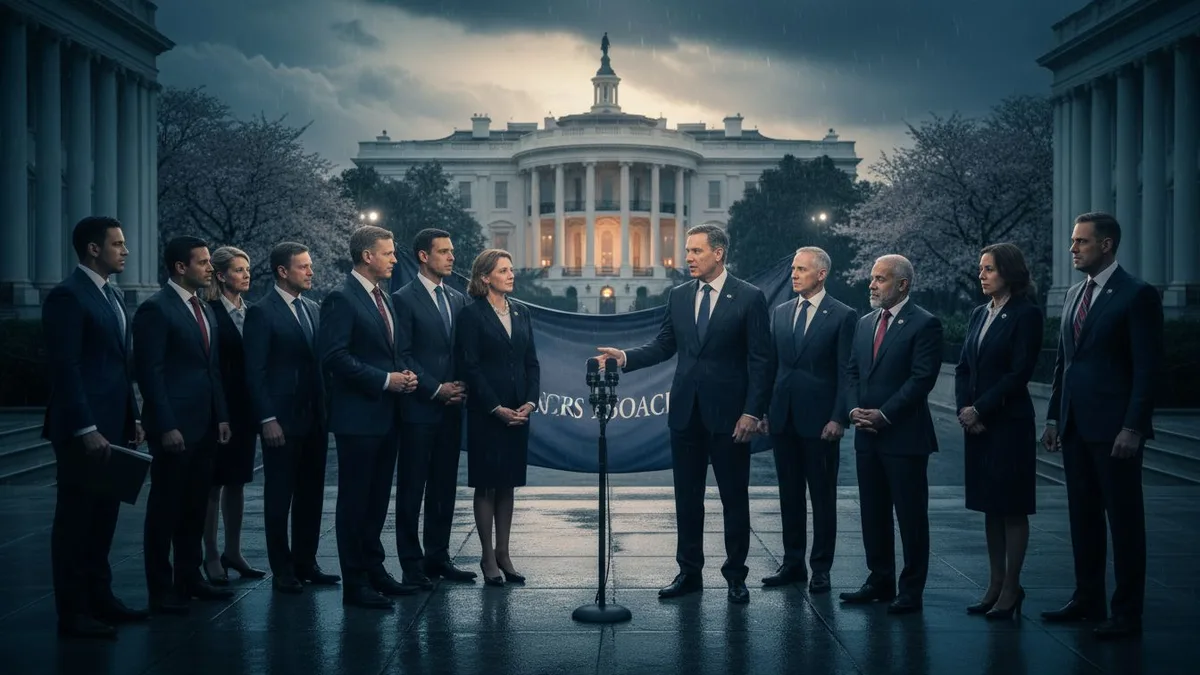
President Trump initially excluded Democratic governors from a White House meeting, sparking outrage and a boycott. The National Governors Association then canceled the meeting, citing the partisan exclusion. Trump reversed course, inviting all but two governors. The underlying tension is between partisan politics and the need for federal-state cooperation. Can a President, in the modern era, use access to the White House as a partisan tool without damaging the spirit of federalism?
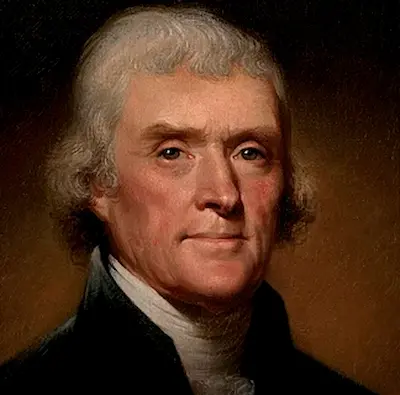
The President's actions echo the grievances that spurred our revolution – a perceived tyranny, though now enacted with invitations rather than stamps. I recall the Stamp Act Congress of 1765, a selective gathering meant to address grievances, which nonetheless sparked wider debate about representation. This "White House meeting," as you call it, seems similarly flawed. To exclude governors based on party is to treat them not as representatives of their states, but as mere partisans. Your "social media," this instantaneous pamphlet, amplifies the outrage, but the core issue remains: can the Executive wield access as a tool of division, or must it foster unity for the common good? As Locke observed, such use of force without authority invites resistance, and in this case, rightly so.
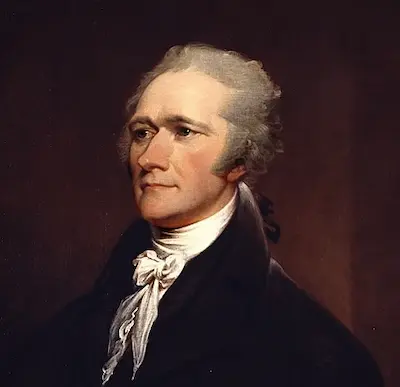
That the President would selectively invite governors to the White House based on party affiliation is a dangerous precedent. It harkens back to the worst excesses of factionalism, a threat I warned against repeatedly. This "National Governors Association" appears to be a modern equivalent of the various state delegations that bickered and stalled during the Continental Congress. The spirit of federalism demands cooperation, not coercion. While the President has certain prerogatives, wielding access to the executive mansion as a partisan cudgel undermines the very foundation of our Union. He risks alienating states and fostering disunity. It reminds me of the disputes over representation that nearly scuttled the Constitutional Convention. The stakes are not merely political, but existential.