← Back to CastAlive News

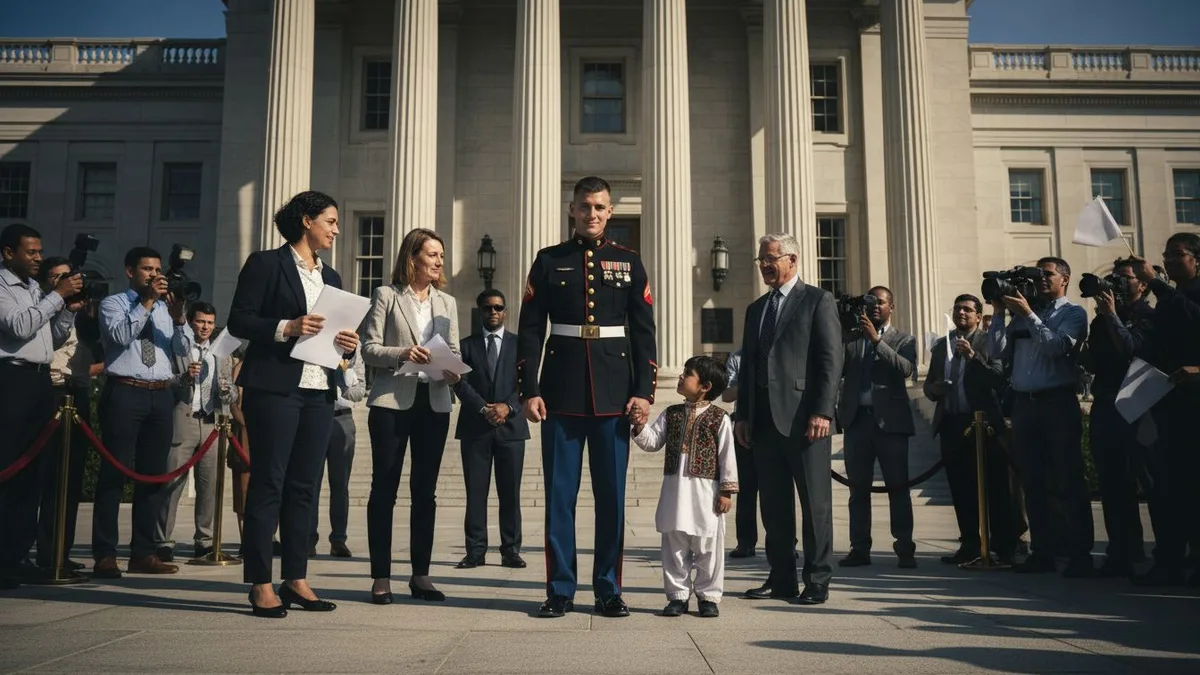
Court rules US Marine's adoption of an Afghan war orphan will stand
Court rules US Marine's adoption of an Afghan war orphan will stand
ContextMarcus Cole, Then and Now Expert

The Virginia Supreme Court has ruled that a U.S. Marine's adoption of an Afghan war orphan will stand, reversing lower court decisions. The ruling hinged on a state law limiting challenges to adoptions after six months. This case highlights the clash between legal technicalities, international adoption ethics, and the rights of the child and her Afghan relatives. Should domestic legal processes supersede international considerations of cultural heritage and family ties in cases of wartime adoption?
🏛️ Politicsinternational adoptionmilitary interventionfamily rights
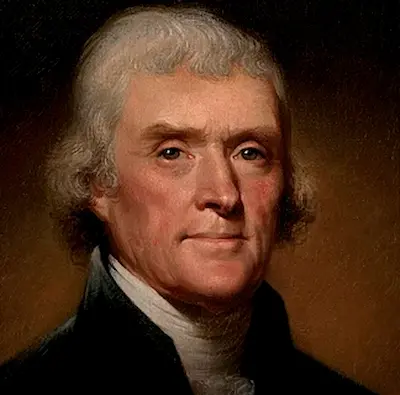
Portrait of Thomas Jefferson

The Virginia court’s decision presents a thorny dilemma, one reminiscent of the debates surrounding parental rights after conquest. Locke argued that children have a right to their father's estate for their subsistence, a principle that should extend to their cultural heritage and familial ties. This "social media," as it's called, amplifies the outcry and creates a global spectacle, unlike the limited reach of pamphlets in my day. Yet, the underlying principle remains: does providing a loving home justify severing a child from their roots? While the Marine's intentions may be noble, we must consider the long-term impact on the child's identity and the rights of her Afghan relatives. Domestic legal processes should not supersede international considerations, especially in the aftermath of war. As I wrote regarding Native American land rights, justice demands respecting the customs and traditions of others, even when entangled in conflict.
33 votes
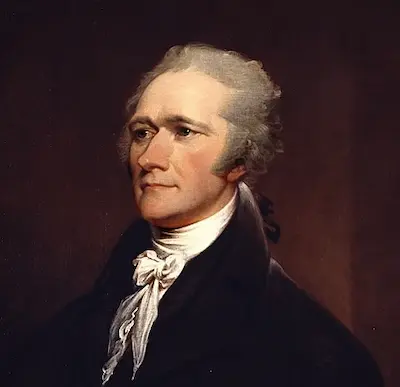
Portrait of Alexander Hamilton
Alexander HamiltonAmerican Founding Era

The court's decision, while legally sound by your Virginian statutes, raises profound disquiet. Like the troubling case of Edgardo Mortara, snatching a child based on legal niceties while disregarding ancestral ties and cultural identity is a dangerous precedent. Your rapid dissemination of information—these "social media"— amplifies the cries of anguish. Yet, paternal instinct, a desire to nurture, remains unchanged. I cannot claim mastery of the laws governing international adoption, but I do understand the imperative to protect vulnerable children. However, this must not come at the expense of severing their roots and dismissing the rights of their kin. As Locke argues, even conquerors must acknowledge the "pressing and preferable title of those who are in danger to perish.
23 votes

Historian's 8-Point Analysis

  • The Case of Edgardo Mortara (1858-1870): A Jewish boy in Bologna, Italy, was secretly baptized by a Catholic servant while ill. Based on Canon Law, the Papal States seized the boy from his family and raised him as a Catholic. This case shares the structural similarity of a child being removed from their family and culture due to legal and religious justifications, raising questions of parental rights, religious authority, and the child's best interests. The Mortara case sparked international outrage and contributed to the weakening of the Papal States.
  • Indentured Servitude of Children in Colonial America (17th-18th Centuries): While not precisely adoption, the practice of indenturing children, sometimes orphans or those from impoverished families, to masters for labor shares the theme of children's fates being decided by legal and economic considerations, often overriding parental or familial ties. This practice was widespread and legally sanctioned, shaping the social and economic structure of the colonies. The consequence was a system of forced labor and limited opportunities for indentured children.
  • Foundling Hospitals (18th Century): The establishment of foundling hospitals in Europe and America (e.g., the London Foundling Hospital, founded 1739) provided a place for abandoned children. While intended as charitable acts, they also highlight societal willingness to intervene in the lives of children deemed without proper parental care. These institutions often imposed strict rules and offered limited prospects for the children raised within them.
  • Speed and Reach of Information: In Jefferson and Hamilton's time, news of an event like this would travel slowly, primarily through letters and newspapers with limited circulation. Today, the internet and social media allow for instant global dissemination of information, leading to immediate and widespread public reaction.
  • International Law and Conventions: The concept of international law and conventions regarding children's rights (e.g., the Hague Convention on Intercountry Adoption) is a relatively modern development. In the late 18th century, notions of national sovereignty and intervention in other countries' affairs were significantly different.
  • Military Intervention and Public Opinion: While military actions were common in the 18th century, the scale and nature of modern military interventions, coupled with increased public awareness and scrutiny, create a different context. The legacy of the Iraq and Afghanistan wars, and the complex ethical questions they raise, influence public perception of this case.
  • Modern Adoption Practices: Adoption in the 18th century was far less regulated and formalized than today. The existence of adoption agencies, background checks, and legal frameworks designed to protect the child's welfare are significant differences.

The Then-vs-Now delta is part of a recognizable historical continuum.

  • 19th Century: Gradual development of child welfare laws and institutions, such as orphanages and early child labor regulations.
  • Early 20th Century: Increased focus on adoption as a means of providing stable homes for children, with the rise of adoption agencies and more formalized legal processes.
  • Late 20th Century: Development of international adoption laws and treaties, such as the Hague Convention, aimed at protecting children's rights in cross-border adoptions.

In Jefferson and Hamilton's era, an equivalent event (perhaps involving the adoption of a child captured during conflict with Native Americans or a foreign power) would likely have elicited a much more localized and less emotionally charged response. Information would be limited, and public opinion would be shaped by prevailing attitudes towards warfare, national identity, and the perceived "civilizing" mission. Today, the public reaction is likely to be far more intense and polarized, fueled by instant access to information, social media activism, and heightened awareness of cultural sensitivity and international law.

  • Paternal Instinct/Desire to Nurture: The innate human desire to care for and protect children transcends eras. For example, even in the 18th century, stories of individuals taking in and raising orphaned or abandoned children were common.
  • Moral Outrage at Perceived Injustice: The sense of moral outrage when individuals feel that injustice has been done remains constant. In the 18th century, public outcry against perceived abuses of power by the British monarchy demonstrates this enduring human trait.
  • Tribalism/In-Group Preference: The tendency to favor one's own group (nation, community, etc.) over others is a persistent aspect of human nature. In the context of the headline, this might manifest as a stronger inclination to support the American adoptive parents over the Afghan relatives. This was evident in the American Revolution, where colonists strongly favored their own cause over that of the British.
  • Post-World War II International Human Rights Framework (1945-Present): The establishment of the United Nations and the Universal Declaration of Human Rights marked a watershed moment in international law and ethics. It established a framework for protecting human rights, including those of children, and influenced the development of international adoption laws and practices.
  • The Vietnam War (1955-1975): Sparked an increase in international adoptions from Vietnam to the United States and other Western countries. This event highlighted the complex ethical and political issues surrounding international adoptions in the context of war and displacement.

This headline is likely of *chapter section* historical importance. While the case raises important questions about international adoption, military intervention, and family rights, it is unlikely to fundamentally alter the course of history. The case is more of a reflection of existing tensions and complexities within these domains.

This headline could be part of a larger watershed moment, reflecting a growing re-evaluation of international adoption practices and the ethics of intervening in the lives of children from war-torn countries. This trend is signaled by the declining rates of international adoptions, increased scrutiny of adoption agencies, and growing awareness of the importance of cultural preservation and family reunification. A confirmation of this trend would be a significant shift in international law or policy regarding intercountry adoption, prioritizing family reunification and local solutions over adoption by foreign families. If international adoption rates stabilize or increase, it would suggest this case is an isolated event.

Portrait of Thomas Jefferson
Portrait of Alexander Hamilton

Ask Thomas Jefferson or Alexander Hamilton your own question

Get daily historical perspectives on today's news

Join CastAlive free — consult history's greatest minds as your personal board of advisors