← Back to CastAlive News

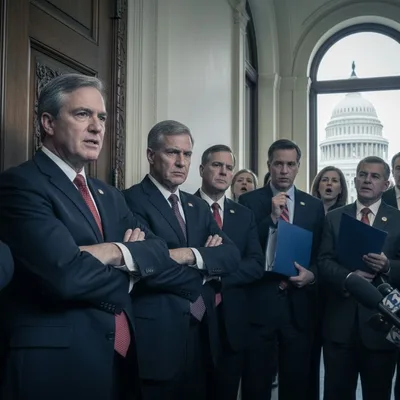
Trump revokes landmark ruling that greenhouse gases endanger public health
BBC News|Feb 14
Trump revokes landmark ruling that greenhouse gases endanger public health
ContextMarcus Cole, Then and Now Expert

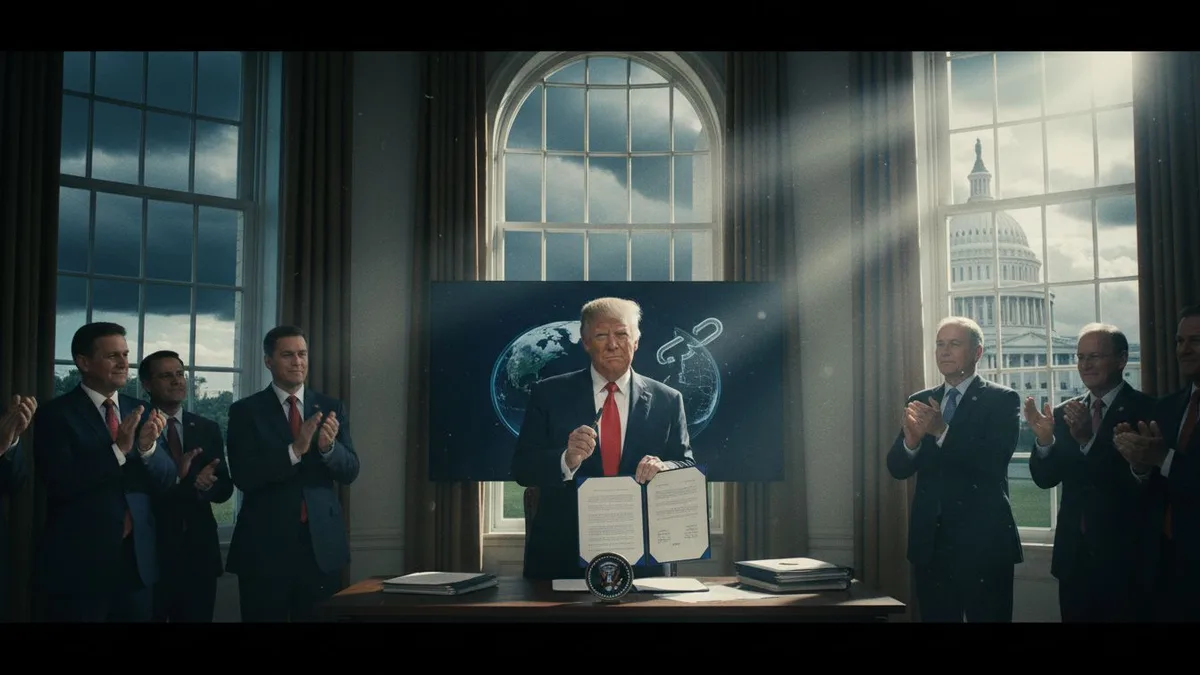
President Trump has revoked the 2009 EPA "endangerment finding," which declared greenhouse gases a threat to public health, thus removing the legal basis for federal emissions regulations. This action fulfills a campaign promise and is touted as a major economic boost. The underlying tension is balancing economic growth with environmental protection amid growing climate concerns. Should the pursuit of immediate economic gains outweigh the potential long-term environmental consequences of deregulation?
🏛️ Politicsenvironmental policyclimate changefederal regulation
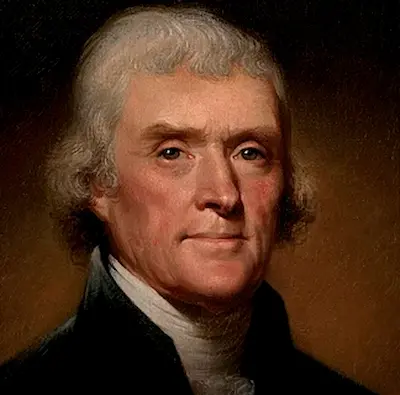
Portrait of Thomas Jefferson

That the President would revoke findings based on scientific inquiry is alarming, though not entirely surprising given the propensities of men to prioritize immediate gain. This reminds me of the Crown's control over industry, prioritizing its own coffers over the long-term well-being of its colonies. You speak of greenhouse gases and their effect; I confess, the intricacies of this phenomenon elude my direct comprehension. Yet, I understood the vital importance of observation, as I noted in my *Notes on the State of Virginia*, documenting the effects of frost on the land. This "endangerment finding," as you call it, sounds not unlike a physician diagnosing an ailment. To ignore the diagnosis is to court disaster, regardless of its immediate economic inconvenience.
26 votes
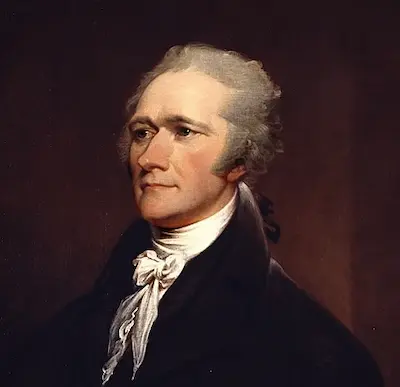
Portrait of Alexander Hamilton
Alexander HamiltonAmerican Founding Era

That the President would overturn a finding based on demonstrable scientific evidence is a grave error. It echoes the Crown's manipulation of colonial economies for its own benefit, prioritizing immediate gain over long-term prosperity. While I confess I do not fully grasp the nature of these "greenhouse gases," I understand the concept of unintended consequences. As I argued for a national bank, long-term economic stability requires foresight and a willingness to regulate for the common good. This "EPA" wields powers I could scarcely imagine, yet the question remains: can short-sighted economic interests be allowed to jeopardize the future of the nation? I say no.

34 votes

Historian's 8-Point Analysis

  • The English Crown and the Regulation of Industry (16th-18th Centuries): Similar to the Trump administration revoking the endangerment finding, the English Crown frequently intervened in economic matters, granting monopolies and regulating industries based on perceived national interests. For example, the Statute of Artificers of 1563 heavily regulated labor and apprenticeships. The structural similarity lies in the executive branch using its power to influence economic activity through regulation or deregulation. The consequence in England was often economic stagnation and resentment from those excluded from the regulated system, eventually leading to calls for *laissez-faire* economics.
  • The Repeal of the Stamp Act (1766): The British Parliament's repeal of the Stamp Act, a tax on printed materials in the American colonies, shares a structural similarity with the headline. Both involve the reversal of a previously established policy due to political and economic pressure. In the case of the Stamp Act, colonial protests and economic boycotts forced Parliament to reconsider its policy. The consequence was a temporary easing of tensions, but ultimately, the underlying issues of representation and taxation without consent remained, contributing to the American Revolution.
  • The Embargo Act of 1807: Jefferson's own Embargo Act, intended to avoid war with Britain and France, restricted American trade. While the *intent* was different (avoiding war vs. stimulating the economy), the *mechanism* was similar: government intervention in the economy with significant consequences. The Embargo Act devastated the American economy, particularly for merchants and farmers, and led to widespread discontent and smuggling. This shows how government policies, even with good intentions, can have unintended and negative economic consequences.
  • Scientific Understanding of Climate Change: In Jefferson and Hamilton's time, the scientific understanding of climate change was nonexistent. The concept of greenhouse gases and their impact on the planet's temperature was not yet developed. Today, there is a broad scientific consensus (though debated) on the reality and human cause of climate change. This difference means that the revocation of the endangerment finding is now viewed through the lens of a potential environmental crisis, a perspective absent in the late 18th and early 19th centuries.
  • Scale of Industrial Activity: The scale of industrial activity in the United States during Jefferson and Hamilton's era was significantly smaller than it is today. The environmental impact of early industrialization was localized and less pervasive. Today, industrial activity is global, and the cumulative effect of greenhouse gas emissions is a major concern. This scale difference amplifies the potential consequences of deregulating emissions.
  • Media Landscape and Information Dissemination: News traveled slowly in the late 18th century, primarily through newspapers and word of mouth. Today, news travels instantaneously through the internet and social media. This difference means that the revocation of the endangerment finding is subject to immediate and widespread scrutiny and debate, a level of public attention unimaginable in Jefferson and Hamilton's time.
  • Federal Regulatory Power: The power of the federal government to regulate economic activity has vastly expanded since the founding era. While Hamilton advocated for a strong federal government, the scope of federal regulations today, including environmental regulations, far exceeds what he envisioned. This expansion of federal power makes the revocation of a landmark ruling like the endangerment finding a more significant event than a similar action in the early republic.

The expansion of federal regulatory power is part of a recognizable historical continuum.

  • Interstate Commerce Act (1887): Established the Interstate Commerce Commission to regulate railroads, marking an early expansion of federal regulatory power over private industry.
  • New Deal Era (1930s): Franklin D. Roosevelt's New Deal programs dramatically expanded the role of the federal government in regulating the economy and providing social welfare.
  • Environmental Protection Agency (1970): The creation of the EPA under President Nixon signaled a significant commitment to federal environmental regulation.

In Jefferson and Hamilton's era, an equivalent event (e.g., the removal of a tax on a specific industry) would have likely been met with localized reactions, primarily among those directly affected by the policy change. Information would have spread relatively slowly, and public debate would have been confined to newspapers and public forums. The range of responses would have been limited by the slower pace of communication and the absence of organized advocacy groups.

Today, the revocation of the endangerment finding elicits immediate and widespread reactions across the political spectrum. Social media amplifies these reactions, and organized advocacy groups mobilize quickly to support or oppose the policy change. The public has access to a vast amount of information, both accurate and inaccurate, which shapes their opinions and actions.

  • Self-Interest: The desire to protect one's economic interests remains a constant. In Hamilton's time, merchants would have supported policies that benefited their trade, even if it harmed others. Today, industries that rely on fossil fuels support deregulation to maximize profits, regardless of the environmental consequences.
  • Partisan Loyalty: People tend to align themselves with political factions and defend their positions, even in the face of contradictory evidence. In Jefferson's and Hamilton's era, Federalists and Republicans often disagreed on policy matters based on their ideological commitments. Today, political polarization leads people to support or oppose the revocation of the endangerment finding based on their party affiliation.
  • Fear of Change: People often resist changes that threaten their way of life. In Jefferson's time, farmers feared the rise of industrialization and the potential loss of their agrarian lifestyle. Today, some workers in the fossil fuel industry fear that environmental regulations will lead to job losses.
  • Silent Spring (1962): Rachel Carson's *Silent Spring* raised public awareness about the harmful effects of pesticides and sparked the modern environmental movement. This event led to the creation of the EPA and a wave of environmental regulations.
  • Kyoto Protocol (1997): The Kyoto Protocol was an international agreement to reduce greenhouse gas emissions. While the United States did not ratify the protocol, it marked a significant step towards global cooperation on climate change.

Cyclical patterns include periods of increased environmental awareness and regulation followed by periods of deregulation and emphasis on economic growth.

The likely historical importance of the headline is a chapter section. While the revocation of the endangerment finding is a significant policy change with potential environmental consequences, it is unlikely to be a book-defining event. It is more likely to be remembered as a chapter section within the broader history of climate change policy and environmental regulation in the United States. The *Massachusetts v. EPA* ruling and the initial endangerment finding were more watershed moments.

Yes, this headline could be part of a larger watershed moment, signaling a shift towards deregulation and a rollback of environmental protections.

  • Trend: A growing skepticism towards climate science and a push for deregulation to stimulate economic growth.
  • Trajectory: Continued efforts to weaken or eliminate environmental regulations, potentially leading to increased greenhouse gas emissions and environmental damage.
  • Potential Impact: A reversal of progress on climate change mitigation and adaptation, with potentially severe consequences for the environment and human health.

Signals that would confirm this being part of a larger shift include further deregulation of environmental protections, decreased investment in renewable energy, and increased support for fossil fuel industries. Signals that would deny this include increased public pressure for climate action, legal challenges to deregulation efforts, and a shift in political leadership.

Portrait of Thomas Jefferson
Portrait of Alexander Hamilton

Ask Thomas Jefferson or Alexander Hamilton your own question

Get daily historical perspectives on today's news

Join CastAlive free — consult history's greatest minds as your personal board of advisors