← Back to CastAlive News

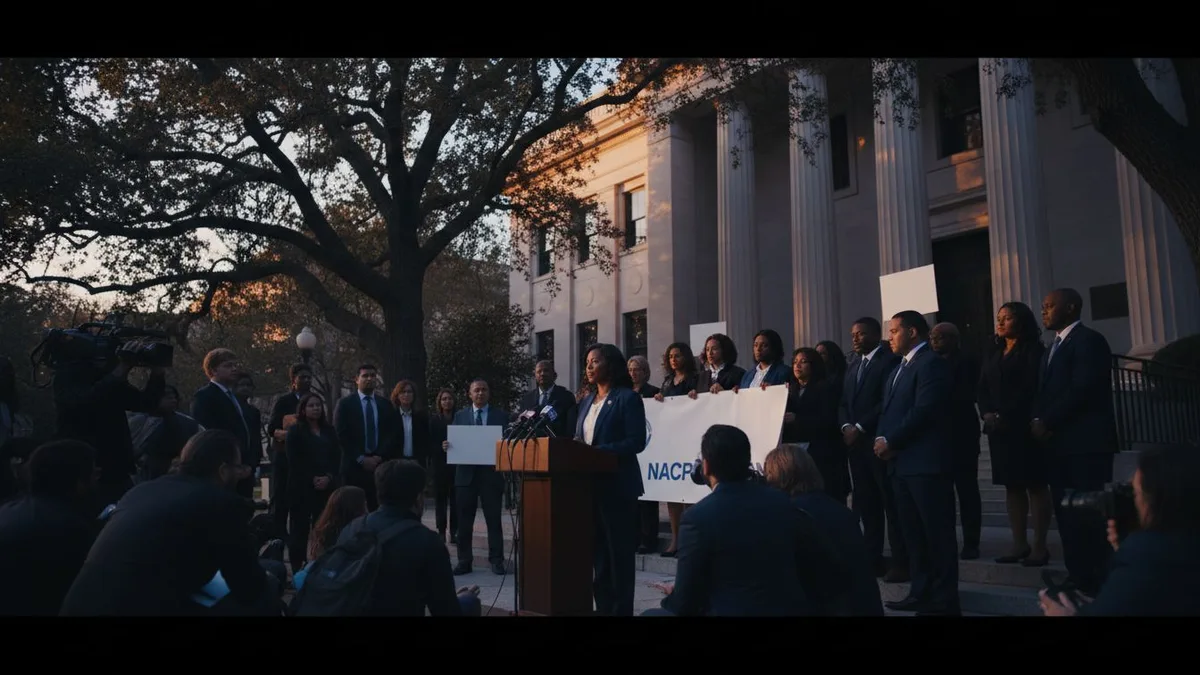
NAACP urges judge to protect voter information seized by FBI in Georgia
NAACP urges judge to protect voter information seized by FBI in Georgia
ContextMarcus Cole, Then and Now Expert

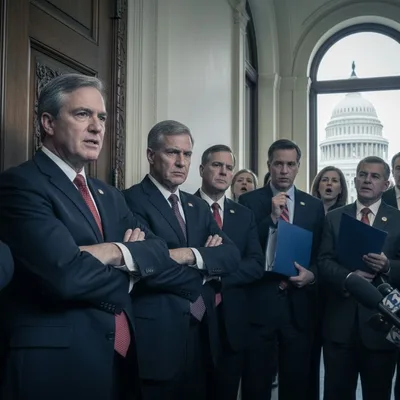
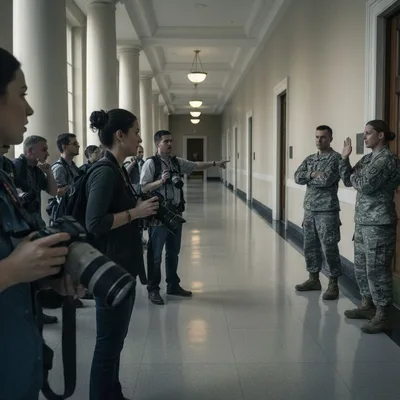
The NAACP is seeking a judge's intervention to safeguard voter data seized by the FBI from a Fulton County, Georgia, elections warehouse.The FBI claims the seizure is part of an investigation into 2020 election irregularities.Civil rights groups fear the data, including sensitive personal information, could be misused for voter roll purges or other purposes beyond the stated investigation.
🏛️ Politicsvoter data privacyFBI investigationlegal protection
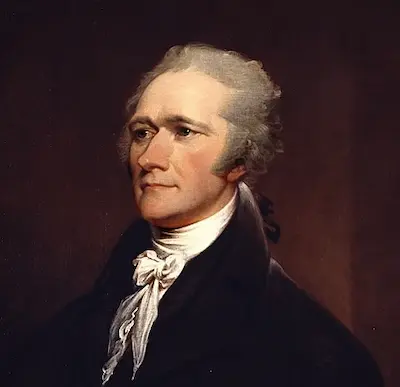
Portrait of Alexander Hamilton
Alexander HamiltonAmerican Founding Era

That the Federal Bureau of Investigation, a body unknown in my day, now seizes voter rolls is a matter that gives me pause. It echoes, in a way, the seizure of papers in the John Wilkes affair, though amplified by the scale of this "electronic data." The question is whether the pursuit of election integrity justifies this intrusion. I say, with caution, it might. As I argued for a strong national government, I did so believing that order and security are prerequisites for liberty. If irregularities threaten the very foundation of elections, a firm hand is needed, though it must be carefully guided by the law. But let us not forget that liberty is a fire that must be constantly guarded, lest it be extinguished by the very measures taken to protect it.
28 votes
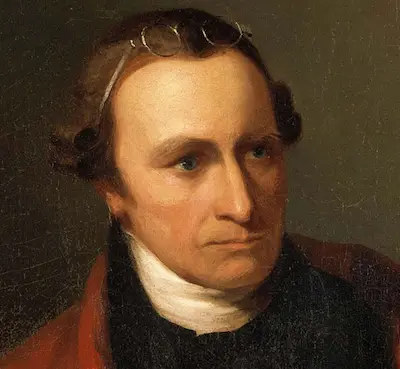
Portrait of Patrick Henry
Patrick Henry1736-1799

Has the spirit of '76 been utterly forgotten in this new age of wonders? That the agents of government should seize the private papers of citizens, even under the guise of investigating irregularities, is a stench in the nostrils of liberty-loving men. It echoes the outrage of General Warrants that so inflamed the breast of John Wilkes. Though these "electronic databases" surpass anything in my experience, the principle remains: privacy is not a gift from rulers, but a right wrested from their grasp. Are we to believe that the pursuit of "election integrity" justifies trampling the very freedoms it purports to protect? Nay, I say, better a flawed election than a government unchecked.
31 votes

Historian's 8-Point Analysis

  • The John Wilkes Affair (1763-1770): Wilkes, a British Member of Parliament, was arrested and prosecuted for seditious libel after publishing criticism of the government in *The North Briton*. The government seized his papers, which led to widespread protests about the violation of individual liberties and the sanctity of private property. This is structurally similar to the NAACP's concern about the FBI seizing voter data, as both involve government seizure of documents and concerns about the protection of individual rights against government overreach. The consequence of the Wilkes affair was a strengthening of support for individual liberties and increased scrutiny of government actions.
  • Writs of Assistance (1760s): These general search warrants issued by British authorities allowed customs officials to search private property for smuggled goods without specific cause. Colonists viewed them as a violation of their rights as Englishmen. James Otis famously argued against the writs, claiming they were "the worst instrument of arbitrary power." The structural similarity lies in the government's broad power to search and seize information, raising concerns about privacy and potential abuse. The consequence was heightened colonial resentment toward British rule, contributing to the revolutionary fervor.
  • Data Storage and Accessibility: In the 18th century, voter information (if it existed in a codified form) was limited to physical documents held locally. Now, voter data is stored electronically, making it easier to collect, analyze, and potentially misuse on a massive scale. This difference amplifies the potential harm from government seizure.
  • Communication Speed: News of the FBI seizure and the NAACP's response spreads instantaneously through digital media. In the late 18th century, news traveled slowly by word of mouth or printed pamphlets, limiting the speed and scope of public reaction. This rapid dissemination of information today can fuel immediate and widespread outrage or support.
  • Federal Power: The role and scope of the federal government have vastly expanded since Hamilton's and Henry's time. The FBI, as a federal agency, wields considerable power, and its actions are subject to intense scrutiny and legal challenges. The original debates about federalism and the balance of power between the states and the federal government, central to their era, are highly relevant.

The shift in data storage and accessibility is part of a recognizable historical continuum.

  • Printing Press (15th century): Enabled mass production of written materials, increasing the availability of information and raising concerns about censorship.
  • Telegraph (19th century): Allowed for near-instantaneous communication over long distances, transforming news dissemination and government control.
  • Computer Networks (late 20th century): Created a global network for sharing information, leading to new challenges in data security and privacy.

In the 1780s, an equivalent event involving the seizure of voter information (if such a thing existed) would likely have been viewed through the lens of local control and states' rights. The average person would have been concerned about the potential for centralized power to infringe upon their liberties, particularly if the seizure was perceived as politically motivated. News would have spread slowly, and reactions would have been localized, with public meetings and pamphlets serving as primary means of communication. Today, the public reaction is amplified by social media and 24-hour news cycles. There would be immediate national and international attention, with strong partisan divisions in opinions about the legitimacy and necessity of the FBI's actions.

  • Distrust of Power: The inherent human tendency to distrust those in power, especially government officials, remains constant. Patrick Henry's famous warning, "Give me liberty, or give me death!" reflects a deep-seated fear of tyranny and a desire to protect individual freedoms. This distrust would likely be triggered by the FBI's seizure of voter data, regardless of the era.
  • Partisan Loyalty: The tendency to align with a particular political faction and view events through that lens is a persistent aspect of human nature. In the late 18th century, Federalists and Anti-Federalists held deeply opposing views on the proper role of government. Today, similar partisan divisions shape reactions to the FBI's actions, with supporters of Trump likely to view it as a politically motivated attack, while opponents may see it as a necessary investigation.
  • Desire for Privacy: The fundamental human desire for privacy and control over personal information is a constant. While the definition of privacy has evolved, the underlying impulse to protect one's personal affairs remains strong. The NAACP's concern about protecting voter data reflects this enduring desire.
  • The Sedition Act of 1798: Passed during John Adams' presidency, this act criminalized criticism of the government, leading to widespread protests and accusations of violating freedom of speech. It marked a significant moment in the debate over the balance between national security and individual liberties, a debate that continues to this day. The act was allowed to expire in 1801, demonstrating a cyclical pattern of government overreach followed by a correction.
  • Watergate Scandal (1972-1974): This event, involving illegal surveillance and obstruction of justice by the Nixon administration, led to a crisis of confidence in government and a renewed emphasis on transparency and accountability. It underscored the potential for abuse of power and the importance of protecting civil liberties.

The NAACP urging a judge to protect voter information seized by the FBI is likely a chapter section in the ongoing narrative of election integrity, voter rights, and government surveillance. While it raises important questions about privacy and federal power, it does not represent a fundamental shift in the historical trajectory. The John Wilkes affair and the Sedition Act of 1798 were more consequential in their respective eras, as they directly challenged established power structures and led to significant political and legal changes.

This headline could be part of a larger watershed moment if it signals a trend toward increased government surveillance of voter data and a growing erosion of privacy rights in the name of election security.

  • Trend: Increased government focus on election security, leading to greater scrutiny of voter data.
  • Trajectory: Potential for more frequent and intrusive government investigations into elections, raising concerns about voter suppression and political manipulation.
  • Potential Impact: Erosion of public trust in elections and a chilling effect on voter participation.

Signals that would confirm this trend include: further FBI seizures of voter data in other states, legislative efforts to expand government access to voter information, and a growing public acceptance of surveillance in the name of security. Conversely, a judicial ruling limiting the FBI's access to voter data and increased legislative protections for voter privacy would suggest that this is an isolated event.

Portrait of Alexander Hamilton
Portrait of Patrick Henry

Ask Alexander Hamilton or Patrick Henry your own question

Get daily historical perspectives on today's news

Join CastAlive free — consult history's greatest minds as your personal board of advisors