← Back to CastAlive News

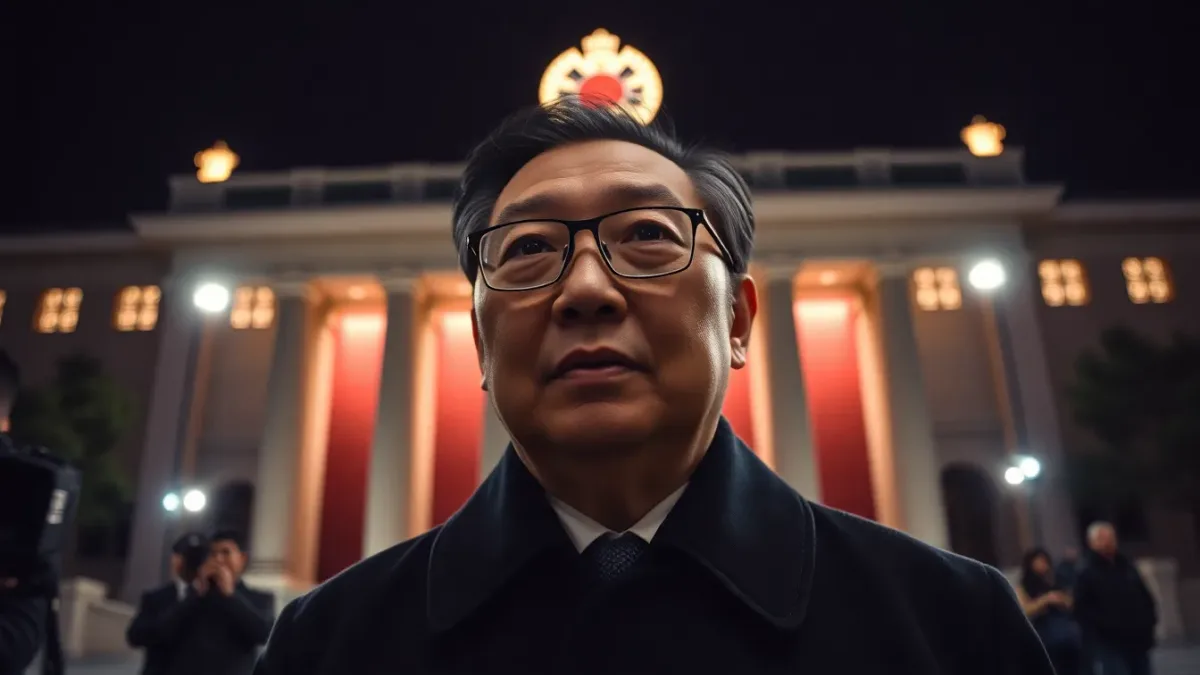
Former South Korean President Yoon receives life sentence for imposing martial law
Msn|Feb 19
Former South Korean President Yoon receives life sentence for imposing martial law
ContextMarcus Cole, Then and Now Expert

Former South Korean President Yoon Suk Yeol has been sentenced to life in prison for imposing martial law in December 2024, a move critics saw as an attempt to suppress dissent.This follows a prior five-year sentence for related charges.The case highlights the ongoing tension between democratic governance and the potential for authoritarian overreach.
🏛️ Politicsjudicial accountabilityhistorical political repression
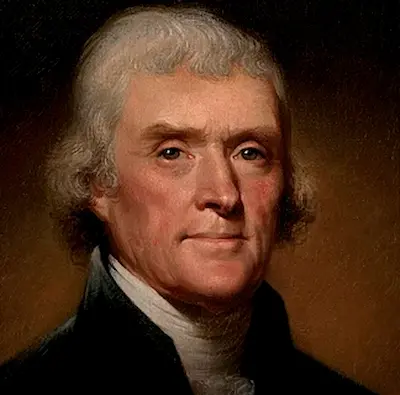
Portrait of Thomas Jefferson

A republic founded on laws cannot long survive if those laws are bent to the passions of the moment. This "former President Yoon," as you call him, reminds me of the tribulations of Charles I. To subject a leader to such a trial risks turning justice into a tool for settling political scores. You speak of “international human rights norms,” a concept I confess is foreign. Yet, if it means that distant powers may dictate the internal affairs of a nation, I cannot endorse it. The people of Korea must determine their own course, lest this supposed aid become a new form of tyranny. Is the pursuit of vengeance worth the risk of endless strife?
25 votes
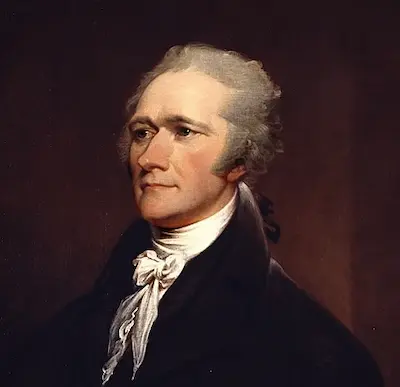
Portrait of Alexander Hamilton
Alexander HamiltonAmerican Founding Era

A life sentence, you say? It echoes the fate of a king, does it not? As with Charles I, the execution of a leader, even one deposed, reeks of factional vengeance, not justice. The union I defended was fragile; I see you have not made it less so. This "martial law" – a concept mirroring the Roman dictatorships in times of peril – was it truly tyranny, or a desperate attempt to maintain order? While I championed a strong executive, I also understood the need for checks. However, to condemn a man to life imprisonment smacks of the excesses I feared during the French Revolution. Is this pursuit of justice worth the instability it sows? I fear you mistake retribution for righteousness.


22 votes

Historian's 8-Point Analysis

  • The Trial and Execution of Charles I (1649): The structural similarity lies in the judicial accountability of a former head of state for perceived abuses of power. Charles I was tried and executed by the English Parliament for treason, mirroring Yoon's trial and conviction for imposing martial law and abusing his authority. The consequence was the establishment of the Commonwealth, a republic, albeit a short-lived one, replacing the monarchy.
  • The Impeachment of Warren Hastings (1787-1795): While not directly related to martial law, Hastings, the Governor-General of Bengal, was impeached for corruption and abuse of power. The structural similarity is the attempt to hold a high-ranking official accountable for actions taken while in office, even after leaving office. The consequence was a lengthy and politically charged trial that, while ultimately resulting in acquittal, significantly damaged Hastings' reputation and set a precedent for holding colonial officials accountable.
  • The Catiline Conspiracy (63 BCE): While not a perfect parallel, the Catiline Conspiracy in ancient Rome shares some similarities. Catiline, a Roman senator, was accused of plotting to overthrow the Roman Republic. While the details differ significantly, the underlying theme of a leader accused of subverting the established order resonates. The consequence was Catiline's flight from Rome and subsequent death in battle, as well as the execution of several of his alleged co-conspirators.
  • Speed and Reach of Information: In Jefferson and Hamilton's time, news of an event like the sentencing of a former head of state would take weeks or months to travel across continents. Today, the headline is instantly accessible globally via the internet and social media. This immediacy amplifies the potential for public reaction and international scrutiny.
  • International Law and Human Rights Norms: The concept of international human rights law and the idea that a nation's actions can be judged by international standards were largely absent in the late 18th century. Today, international organizations and treaties play a significant role in monitoring and potentially intervening in cases of human rights violations, making the South Korean case subject to international legal and moral scrutiny.
  • Judicial Independence and the Rule of Law: While the concept of judicial independence existed in theory during the American founding era, its practical application was often limited. Today, many countries have stronger legal frameworks and institutions designed to protect judicial independence, making the trial and sentencing of a former president more credible and less susceptible to political interference (though accusations of predetermined verdicts, as in Yoon's case, still arise).
  • Weapons Technology: Martial law in the 18th century meant soldiers with muskets. Today, it means tanks, drones, and cyber warfare. The potential for violence and repression under martial law is exponentially greater now.

The changes identified above are part of a recognizable historical continuum.

  • Development of Communication Technologies: From the printing press to the telegraph, radio, television, and finally the internet, communication technologies have steadily increased the speed and reach of information dissemination.
  • Evolution of International Law: From early treaties between nations to the development of international organizations like the League of Nations and the United Nations, international law has gradually evolved to address issues of human rights and state sovereignty.
  • Strengthening of Democratic Institutions: Over time, many countries have worked to strengthen their democratic institutions, including the judiciary, to ensure greater accountability and the rule of law.

In Jefferson and Hamilton's era, news of the sentencing of a former head of state in a distant land would have been limited to educated elites who read newspapers or received correspondence from abroad. Reactions would likely have been confined to discussions within these circles, focusing on the implications for republicanism and the balance of power.

Today, the public reaction is immediate and widespread. Social media platforms amplify opinions, leading to polarized debates and calls for action. The availability of information and the ease of communication allow for rapid mobilization of public opinion, both domestically and internationally.

  • The Lust for Power: The desire for power and the willingness to abuse it remain constant. Hamilton himself, while advocating for a strong central government, recognized the potential for abuse of power and the need for checks and balances. The Yoon case demonstrates this enduring human trait.
  • The Tendency Towards Factionalism: The tendency for people to divide into factions and engage in political conflict is a recurring theme throughout history. Jefferson warned of the dangers of factionalism and the importance of civic virtue. The public reactions to Yoon's sentencing, with supporters and critics rallying in opposition, reflect this enduring human trait.
  • The Desire for Justice: The innate human desire for justice and accountability persists across eras. Whether it's the pursuit of justice through formal legal channels or through public outcry, the demand for those in power to be held responsible for their actions remains a fundamental human impulse.
  • The French Revolution (1789): The French Revolution marked a major inflection point in the history of political upheaval and the pursuit of democratic ideals. The execution of Louis XVI demonstrated the potential for revolutionary change and the overthrow of established authority. It ushered in an era of political experimentation and instability, highlighting the challenges of establishing a stable and just government.
  • The End of the Cold War (1991): The collapse of the Soviet Union and the end of the Cold War led to a wave of democratization in many parts of the world. This event signaled a shift towards greater emphasis on human rights and the rule of law, creating a more favorable environment for holding leaders accountable for abuses of power.

The headline regarding Yoon Suk Yeol's sentencing is likely a chapter section in historical terms. While significant for South Korea and potentially impactful on the global discourse surrounding accountability for political leaders, it does not represent a fundamental shift in the course of history. The French Revolution and the End of the Cold War were far more transformative events. This event is more significant than a mere footnote because it underscores the ongoing struggle between democratic ideals and authoritarian tendencies.

This headline could be part of a larger watershed moment, reflecting a growing trend towards holding political leaders accountable for abuses of power, even after they leave office.

  • Trend: Increased scrutiny of political leaders and a greater willingness to pursue legal action against them for alleged wrongdoing.
  • Trajectory: This trend could lead to a strengthening of democratic institutions and a greater emphasis on the rule of law, but it could also lead to political instability and polarization.
  • Potential Impact: A greater emphasis on accountability could deter future abuses of power, but it could also make it more difficult to govern effectively and lead to a climate of fear and mistrust.

Signals that would confirm this being part of a larger shift: Similar cases of former leaders being held accountable in other countries, increased international cooperation in prosecuting human rights abuses, and a strengthening of international legal institutions.

Portrait of Thomas Jefferson
Portrait of Alexander Hamilton

Ask Thomas Jefferson or Alexander Hamilton your own question

Get daily historical perspectives on today's news

Join CastAlive free — consult history's greatest minds as your personal board of advisors