← Back to CastAlive News

Police statement in full after Andrew arrest
BBC News|Feb 20
Police statement in full after Andrew arrest
ContextMarcus Cole, Then and Now Expert

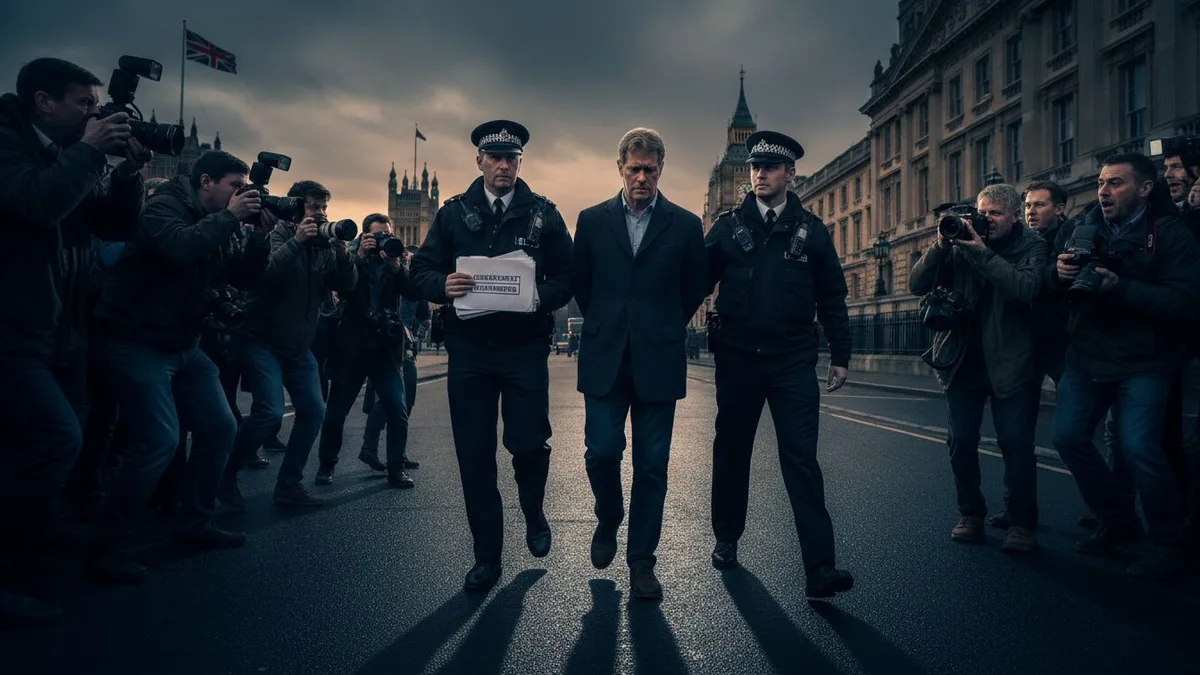
Andrew Mountbatten-Windsor, formerly Prince Andrew, was arrested on suspicion of misconduct in public office, accused of sharing confidential government documents with Jeffrey Epstein during his time as UK's trade envoy. This arrest follows years of scandal and accusations of sexual abuse. The stakes are high for the monarchy's reputation and public trust. Can a figure like Prince Andrew, seemingly shielded by privilege, ever truly be held accountable for his actions?
🏛️ PoliticsHigh-profile arrestpolice investigationpublic conduct scandal
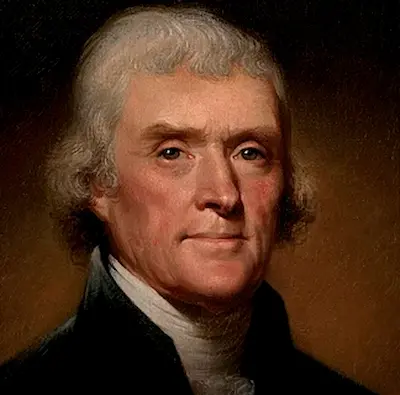
Portrait of Thomas Jefferson

That the powerful are tempted to believe themselves above the laws is an ailment as old as republics themselves. What separates my time from yours is not the ambition but the velocity of its consequences. This "Prince Andrew," like Warren Hastings before the bar of Parliament, faces accusations that threaten to erode public trust. The telegraph carries whispers of scandal across oceans in an instant, amplifying both truth and calumny. Whether justice can truly reach those cloaked in privilege remains the crux of the matter. Hastings, though ultimately acquitted, bore the stain of suspicion. Can a man accustomed to deference ever truly be held accountable, or will his station provide a shield against the demands of justice?
24 votes
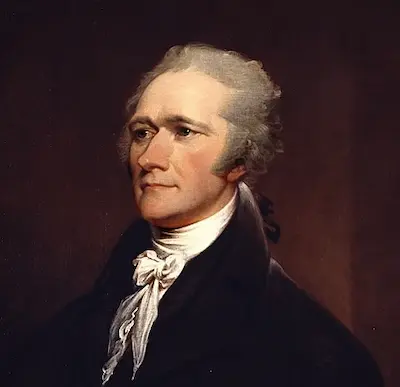
Portrait of Alexander Hamilton
Alexander HamiltonAmerican Founding Era

That the mighty fall is ever a spectacle, though rarely a virtuous one. The case of Warren Hastings, long impeached for his conduct in India, reminds us that even those entrusted with power are not beyond reproach. Whether this "Prince Andrew" is truly guilty, as Hastings was accused, the stain of scandal adheres, amplified by what you call "social media" – a whirlwind of rumour exceeding any pamphlet war I witnessed. Can privilege shield him? Perhaps, for a time. But justice, though often slow and imperfect, has a way of eventually casting its light. I fought for a system where laws bind all men, not just the common man. Let us see if that principle still holds sway in your age of wonders.

26 votes

Historian's 8-Point Analysis

  • The Case of Benedict Arnold (1780): Arnold, a celebrated general in the Continental Army, betrayed the American cause by plotting to surrender West Point to the British. This event shares structural similarities with the Andrew arrest in that it involves a high-profile figure accused of abusing public trust and potentially compromising national security (in Arnold's case, military secrets; in Andrew's, government documents). The consequence for Arnold was infamy and exile, while the consequence for Andrew remains to be seen, though it has already involved loss of titles and public disgrace.
  • The Trial of Warren Hastings (1788-1795): Hastings, the Governor-General of Bengal, was impeached by the British Parliament for corruption and abuse of power during his tenure. This case, like the Andrew arrest, involves a public official accused of misconduct in office. The trial of Hastings, though ultimately resulting in acquittal, dragged on for years and significantly damaged his reputation. Similarly, the investigation and potential trial of Andrew could have long-lasting consequences for his reputation and the monarchy.
  • The South Sea Bubble Scandal (1720): This financial crisis involved widespread corruption and insider trading related to the South Sea Company. While primarily a financial scandal, it involved members of the British government and aristocracy using their positions for personal gain, eroding public trust. This echoes the allegations against Andrew of using his position to benefit himself and potentially Jeffrey Epstein. The consequence was a major financial crisis and a loss of faith in the government.
  • Speed and Reach of Information: In the late 18th century, news of Arnold's betrayal or Hastings' impeachment would have spread relatively slowly, primarily through word of mouth, letters, and printed newspapers. Today, news of Andrew's arrest travels globally in seconds via the internet and social media, intensifying public scrutiny and accelerating the formation of public opinion.
  • Increased Scrutiny of Public Figures: While public figures were subject to scrutiny in the 18th century, the level of surveillance and accountability has increased dramatically. The existence of investigative journalism, 24/7 news cycles, and social media platforms means that public figures are constantly under the microscope, and any misstep is likely to be amplified and scrutinized.
  • Evolving Attitudes Towards Royalty: In the 18th century, royalty enjoyed a level of deference and respect that is significantly diminished today. While there was criticism of monarchs and aristocrats, the idea of holding them accountable to the same standards as ordinary citizens was less prevalent. Today, there is a greater expectation of transparency and accountability from royalty, and they are subject to the same laws and regulations as everyone else.
  • Forensic Technology: Modern forensic technology, including digital forensics, allows for the recovery and analysis of evidence (emails, financial records, etc.) that would have been impossible in the 18th century. This can provide investigators with much more detailed and conclusive evidence of wrongdoing.

The increased scrutiny of public figures is part of a recognizable historical continuum.

  • 19th Century: The rise of mass media and investigative journalism led to increased exposure of political corruption and scandals.
  • Early 20th Century: The development of radio and film further amplified the reach of news and information, making it easier to hold public figures accountable.
  • Late 20th Century: Television brought political events and scandals into people's homes, creating a more immediate and visceral connection to the news. The Watergate scandal is a clear example of the power of media to hold powerful figures accountable.

In Jefferson and Hamilton's era, an equivalent event involving a high-ranking official would have likely elicited strong reactions, but the information would have spread much slower. Public opinion would have been shaped by pamphlets, newspapers (often partisan), and word-of-mouth. The range of responses would have been limited by the lack of instant communication and the absence of social media platforms for expressing outrage or support. Today, the public reaction is immediate, widespread, and often polarized, fueled by social media and 24/7 news coverage. The speed and intensity of the reaction are vastly different.

  • The Desire for Justice: The fundamental human desire for justice and accountability remains constant. In the 18th century, this was evident in the widespread support for the American Revolution and the desire to hold corrupt officials accountable. The trial of Warren Hastings, for example, was driven by a sense that he had abused his power and needed to be brought to justice.
  • The Tendency Towards Gossip and Scandal: The human fascination with gossip and scandal is a timeless trait. In the 18th century, rumors and innuendo played a significant role in shaping public opinion and damaging reputations. The stories surrounding figures like Aaron Burr demonstrate this.
  • The Impulse to Judge: Humans have an inherent impulse to judge others, particularly those in positions of power. This impulse is amplified by social media, where people can quickly and easily express their opinions and pass judgment on others.
  • The Watergate Scandal (1972-1974): This event significantly altered the landscape of political accountability and transparency in the United States. It led to increased scrutiny of government officials and a greater emphasis on ethical conduct in public service. It also demonstrated the power of investigative journalism to expose corruption and hold powerful figures accountable.
  • The #MeToo Movement (2017-Present): This movement has brought about a significant shift in attitudes towards sexual harassment and abuse of power. It has empowered victims to come forward and share their stories, and it has led to increased accountability for perpetrators. This movement has created a climate where public figures are held to a higher standard of conduct, and any allegations of misconduct are taken very seriously.

The arrest of Prince Andrew is likely a *chapter section* event in history. While it is a significant event with implications for the British monarchy and public trust, it does not have the same transformative potential as the American Revolution or the Watergate scandal. It is more comparable to the Profumo Affair in the 1960s, which damaged the reputation of the British government but did not fundamentally alter the course of history.

Yes, this headline could be part of a larger watershed moment. The trend is towards increasing accountability for public figures, particularly those in positions of power and privilege. This trend is driven by factors such as the rise of social media, the decline of deference to authority, and the growing awareness of issues such as sexual abuse and corruption. If more evidence emerges linking Andrew to criminal activity, and if the monarchy is seen as failing to hold him accountable, this could further erode public trust in the institution and lead to calls for reform. Signals that would confirm this being part of a larger shift include: further high-profile arrests of public figures for similar offenses; a significant decline in public support for the monarchy; and legislative or constitutional changes aimed at increasing accountability for public officials.

Portrait of Thomas Jefferson
Portrait of Alexander Hamilton

Ask Thomas Jefferson or Alexander Hamilton your own question

Get daily historical perspectives on today's news

Join CastAlive free — consult history's greatest minds as your personal board of advisors