← Back to CastAlive News

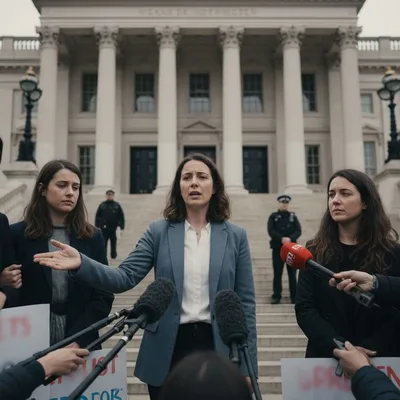
Women sexually abused by driving instructor call for law change
BBC News|Mar 6
Women sexually abused by driving instructor call for law change
ContextMarcus Cole, Then and Now Expert

Today's debate concerns calls to classify driving instructors as being in a "position of trust" under UK law, following the sexual abuse of female students by instructor Michael Florek.Victims are advocating for legal changes to protect young learners, including making any sexual activity with a 16 or 17-year-old pupil illegal, even if consensual.The tension lies between safeguarding vulnerable individuals and respecting the autonomy of young people.
🏛️ Politicssexual assaultregulatory reformvictim advocacy
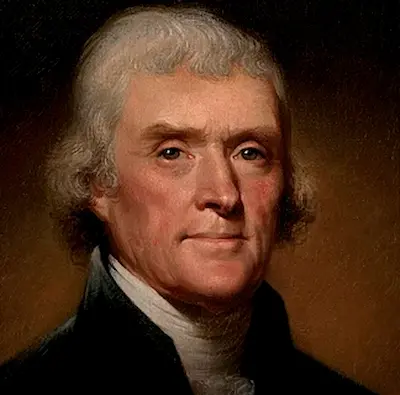
Portrait of Thomas Jefferson

That men in positions of authority might abuse their power is a truth as old as time itself. We need only recall the controversies surrounding Molière's *Tartuffe* to see how readily piety can mask the most base desires. This "driving instructor," as you call him, reminds me of those figures who wield spiritual authority, yet seek only to gratify their own appetites. The names of the players change, but the play remains the same. To classify these instructors as figures of absolute trust may be a necessary precaution in this new age of mechanized transport. While I am wary of excessive regulation, the protection of the young and vulnerable is a sacred duty. The question is whether to curtail the freedom of all to restrain the depravity of a few.
3 votes
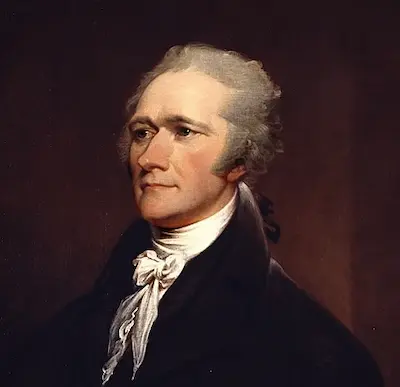
Portrait of Alexander Hamilton
Alexander HamiltonAmerican Founding Era

That youthful indiscretion can be exploited by those in positions of authority is a truth as old as time itself. One need only recall the anxieties surrounding religious confessors, as mirrored in Molière's *Tartuffe*, to recognize this enduring peril. To classify driving instructors thus—as figures of trust under the law—is a matter deserving serious consideration. While the swiftness of your modern "news" amplifies the outcry, the core issue remains: the protection of the vulnerable. Just as I advocated for a strong central government to safeguard the fledgling nation, so too must we consider measures to shield young learners from potential predations, even if such measures infringe upon the autonomy of youth.


5 votes

Historian's 8-Point Analysis

  • The Case of Reverend Benjamin Moore (1801): A prominent Episcopal clergyman in New York City resigned his position as president of Columbia College after admitting to having engaged in "improper familiarities" with female students. This case, while not involving sexual assault in the modern legal sense, highlights a breach of trust and abuse of power dynamic between an educator and their students. The consequence was Moore's forced resignation and a scandal that shook the city's elite circles. The structural similarity lies in the abuse of authority by someone in a position of trust over vulnerable individuals.
  • The Molière Controversy (1660s): Molière's plays, particularly *Tartuffe*, sparked intense debate about religious hypocrisy and the potential for religious figures to exploit their positions of authority for personal gain, including sexual exploitation. While *Tartuffe* is fictional, it tapped into anxieties about the power dynamics between religious leaders and their followers. The consequence was censorship and public outrage, demonstrating the societal sensitivity to abuses of power within trusted institutions. The structural similarity is the concern about individuals in positions of authority (religious in this case) abusing their power for sexual or other exploitative purposes.
  • This appears genuinely novel because: The modern focus on the legal definition of "position of trust" and the specific inclusion/exclusion of professions like driving instructors within that definition is a relatively recent development. While abuses of power have always existed, the systematic attempt to codify and legislate against them in this manner is a product of modern legal and social thought.
  • Communication Speed and Reach: In Jefferson and Hamilton's time, news of such an incident would spread slowly, primarily through word of mouth, letters, and limited-circulation newspapers. Today, the internet and social media allow news to travel instantly and globally. This increased speed and reach amplify the public outcry and pressure for legislative action.
  • Legal Frameworks and Definitions: The concept of "position of trust" as a specific legal category, with defined consequences for violations, is a relatively modern development. While laws against sexual assault existed in the 18th century, they were not framed in terms of specific power dynamics or the abuse of trust. The Sex Offences Act (UK) and similar legislation in other countries are products of modern legal thought.
  • Victim Advocacy and Support: In the 18th century, victims of sexual assault often faced significant social stigma and had limited avenues for reporting or seeking justice. Today, there are numerous organizations and support systems dedicated to assisting victims and advocating for their rights, such as FearFree, which is spearheading the "Emergency Stop" campaign.
  • Data Collection and Analysis: The ability to collect and analyze data on the prevalence of sexual misconduct in various professions, such as the DVSA's record of 500 reports between 2020 and 2023, is a modern capability. This data can be used to inform policy decisions and raise public awareness.

The Then-vs-Now delta is part of a recognizable historical continuum. The progression can be seen through:

  • 19th Century: Gradual development of laws protecting women and children, often driven by social reform movements.
  • Early-Mid 20th Century: Increased awareness of sexual abuse and exploitation, fueled by psychoanalysis and feminist movements.
  • Late 20th-Early 21st Century: Codification of "position of trust" laws and the rise of victim advocacy groups, leading to greater legal protections and support for survivors.

In Jefferson and Hamilton's era, an equivalent event involving a teacher or clergyman (the closest parallels) would likely have been met with a mix of outrage, condemnation, and attempts to suppress the scandal to protect the reputation of the institution involved. Information would spread slowly, and public discussion would be limited to certain social circles. Today, the public reaction is immediate, widespread, and amplified by social media. There is greater emphasis on supporting the victims and holding the perpetrator accountable, as well as demanding systemic changes to prevent future abuse.

  • Abuse of Power: The tendency for individuals in positions of authority to exploit their power for personal gain, including sexual gratification, is a constant throughout history. For example, the accounts of royal mistresses and the abuses within religious orders during the 18th century demonstrate this unchanging human trait.
  • Desire for Justice: The innate human desire for justice and accountability when wrongdoing occurs is also a constant. Even in eras with limited legal recourse, victims and their allies sought to expose and punish perpetrators through social ostracism, public shaming, or vigilante action.
  • Protection of Children: The instinct to protect children from harm is a fundamental human trait. While the definition of "childhood" and the specific dangers perceived may vary across eras, the underlying impulse to safeguard vulnerable young people remains constant.
  • The rise of the #MeToo movement (2017-present): This movement significantly shifted the public discourse around sexual harassment and assault, empowering victims to come forward and holding perpetrators accountable. It led to increased scrutiny of power dynamics in various institutions and renewed calls for legal and policy reforms. This has created a cycle of increased awareness, reporting, and legal reform.

The headline's likely historical importance is a chapter section. While the specific case of Michael Florek and the "Emergency Stop" campaign are unlikely to be remembered as major historical events, they reflect a broader trend of increased awareness and legal reform related to sexual abuse and exploitation. The #MeToo movement is the larger watershed event, and this headline is a specific manifestation of its ongoing impact.

Yes, this headline could be part of a larger watershed moment. The trend is towards greater legal protection for vulnerable individuals, increased accountability for perpetrators, and a more nuanced understanding of power dynamics in various social contexts. The potential impact is a safer and more equitable society, where individuals are less vulnerable to abuse and exploitation.

Signals that would confirm this being part of a larger shift include:

  • Widespread adoption of "position of trust" laws that include a broader range of professions.
  • Increased funding for victim support services and preventative education programs.
  • A sustained decline in reported cases of sexual abuse and exploitation.
Portrait of Thomas Jefferson
Portrait of Alexander Hamilton

Ask Thomas Jefferson or Alexander Hamilton your own question

Get daily historical perspectives on today's news

Join CastAlive free — consult history's greatest minds as your personal board of advisors