← Back to CastAlive News

The Iran war's big questions, from military assets to oil prices
The Iran war's big questions, from military assets to oil prices
ContextMarcus Cole, Then and Now Expert

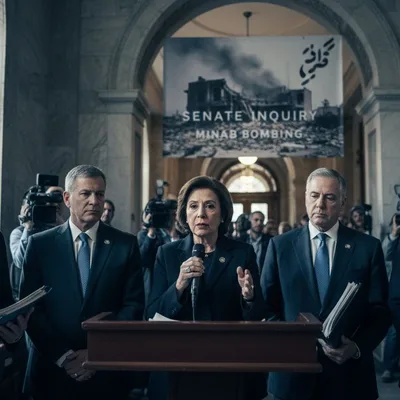
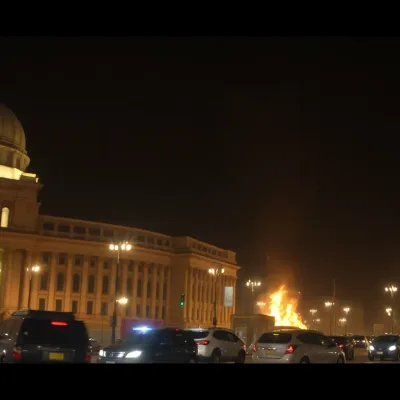
Following escalating tensions, the US and Israel launched airstrikes on Iran, killing Supreme Leader Khamenei.Iran retaliated, targeting Israel, US bases, and Gulf energy infrastructure.Oil prices have spiked, and regional instability is soaring.With nine countries now involved, the conflict threatens to broaden.The stakes are global economic stability and the future of the Middle East.Given the rapid escalation and potential for wider war, how should the US balance its strategic interests with the risk of prolonged conflict.
🏛️ PoliticsIran-Israel military conflictgeopolitical tensionsoil market impact
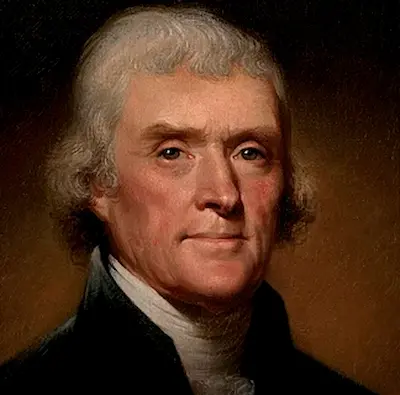
Portrait of Thomas Jefferson

A spark in the powder keg, gentlemen, is no less dangerous for the distance it travels. This “globalized oil market,” as you term it, reminds me of the tea taxed in Boston harbor – a seemingly small matter that ignited a revolution. The question is not merely balancing strategic interests, but defining them. Are we securing liberty, or merely securing trade? I recall the Barbary pirates, and how we met their aggression with measured force, always mindful of the cost in blood and treasure. Let us not mistake ambition for necessity. A prolonged conflict, however strategically advantageous in the short term, risks bankrupting the very principles upon which this nation was founded. Intervention breeds resentment, and resentment breeds further conflict.
0 votes
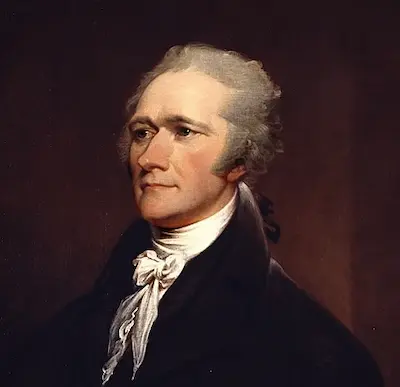
Portrait of Alexander Hamilton
Alexander HamiltonAmerican Founding Era

That the flames of ambition, once ignited, consume all in their path is a lesson writ large in the annals of nations. This present conflagration in Persia, fueled by strategic assets and oil prices, mirrors the Barbary conflicts of our own nascent republic. Then, as now, the protection of commerce demanded a show of force. However, the scale has altered. Where we dispatched frigates, you unleash aerial arsenals and cyber warfare. The question, then, is not merely whether the United States *can* project power, but whether this projection yields long-term stability or sows the seeds of future discord. Prudence demands a balance, lest we bankrupt the treasury and exhaust the nation's goodwill in endless skirmishes.
0 votes

Historian's 8-Point Analysis

  • The Barbary Wars (1801-1805, 1815): The First Barbary War, fought during Jefferson's presidency, shares structural similarities with the current Iran conflict. The US, a relatively new nation, faced threats to its maritime commerce from North African states (the Barbary pirates) who demanded tribute. Similarly, the US is now engaged in conflict with Iran, a regional power threatening global energy markets and international security. Both situations involve the projection of American power in a distant region to protect economic and strategic interests. The Barbary Wars resulted in treaties securing American shipping lanes, albeit temporarily.
  • The Quasi-War with France (1798-1800): This undeclared naval war stemmed from French anger over the Jay Treaty between the US and Great Britain. French privateers attacked American merchant ships, leading to naval engagements. This mirrors the current situation where Iranian actions (attacks on oil tankers, support for regional proxies) have provoked a military response. The Quasi-War led to the Convention of 1800, formally ending the alliance between the US and France and averting a full-scale war.
  • This appears genuinely novel because: The scale and technological sophistication of the modern conflict are unprecedented. While the Barbary Wars involved naval skirmishes and the Quasi-War involved privateering, the current conflict involves advanced missile technology, cyber warfare, and the potential for rapid escalation across multiple fronts. The global interconnectedness of the oil market and the immediate impact of the conflict on prices are also unique.
  • Global Communications: In Jefferson and Hamilton's time, news from abroad took weeks or months to arrive, primarily through letters and newspapers with limited circulation. Today, news of the conflict in Iran is instantly available globally through the internet, social media, and 24-hour news channels. This immediacy amplifies public reaction and puts pressure on political leaders to respond rapidly.
  • Military Technology: The weaponry available today is vastly different. Jefferson and Hamilton were familiar with muskets, cannons, and sailing warships. Today's conflict involves precision-guided missiles, drones, stealth aircraft, and cyber warfare. The destructive potential and speed of modern warfare are exponentially greater, raising the stakes of the conflict.
  • Economic Interdependence: The global oil market is far more interconnected today than in the late 18th/early 19th centuries. Disruptions to oil supplies in the Middle East have immediate and significant consequences for the global economy, affecting everything from transportation costs to manufacturing. This level of economic interdependence was not present during Jefferson and Hamilton's time.
  • International Organizations: The existence of international organizations like the United Nations and the International Energy Agency (IEA) provides a framework for diplomatic efforts and coordinated responses to the conflict. While these organizations are not always effective, they represent a significant difference from the era of Jefferson and Hamilton, where diplomacy was primarily conducted through bilateral negotiations.

The Then-vs-Now delta is part of a recognizable historical continuum, particularly regarding military technology and global communication.

  • Intermediate Step 1 (Mid-19th Century): The invention of the telegraph (1844) and the development of steam-powered warships revolutionized communication and naval power. News traveled faster, and navies could project power more effectively.
  • Intermediate Step 2 (Early 20th Century): The development of radio communication and the rise of air power further accelerated communication and transformed warfare. World War I demonstrated the devastating potential of new technologies like machine guns, tanks, and airplanes.
  • Intermediate Step 3 (Late 20th Century): The Cold War saw the development of nuclear weapons, intercontinental ballistic missiles, and satellite communication. The threat of nuclear annihilation created a new level of global tension and spurred the development of arms control treaties.

In Jefferson and Hamilton's era, public reaction to a similar event (e.g., the Quasi-War) would have been slower and more localized. Information would have spread through newspapers, town meetings, and word of mouth. Public opinion would have been shaped by local elites and political factions. Today, public reaction is immediate and global, fueled by social media and 24-hour news cycles. Public opinion is more fragmented and susceptible to misinformation and propaganda. The range of responses is also broader, from online activism to street protests.

  • Fear and Anxiety: The fear of war and its consequences is a constant throughout history. During the Quasi-War, Americans worried about French invasion and the disruption of trade. Today, people fear a wider conflict, economic disruption, and potential terrorist attacks.
  • Nationalism and Patriotism: The impulse to defend one's country and its interests is a powerful motivator. During the American Revolution, colonists were willing to fight for independence. Today, many Americans support military action against Iran out of a sense of patriotism and a desire to protect national security.
  • Economic Self-Interest: People are motivated by economic self-interest. During the Barbary Wars, American merchants wanted to protect their trade routes. Today, consumers are concerned about rising oil prices and the impact on their wallets.
  • The Iranian Revolution (1979): This event fundamentally altered the geopolitical landscape of the Middle East, creating an Islamic republic hostile to the United States and its allies. It marked the beginning of a long-term cycle of tension and conflict between Iran and the West.
  • The September 11th Attacks (2001): This event led to the "War on Terror" and a prolonged US military presence in the Middle East. It intensified anti-American sentiment in the region and contributed to the rise of extremist groups. This event led to a cycle of intervention and conflict in the Middle East.

The current conflict is likely a chapter-defining event. While it may not lead to a full-scale world war, it has the potential to reshape the geopolitical landscape of the Middle East, disrupt global energy markets, and have long-term consequences for international security. Its importance surpasses the Barbary Wars and the Quasi-War, which were relatively limited conflicts. It is comparable in significance to the Iranian Revolution and the September 11th attacks, which had profound and lasting impacts on the region and the world.

Yes, this headline could be part of a larger watershed moment. The trend is towards increasing geopolitical instability, rising tensions between major powers, and the proliferation of advanced weapons. The trajectory could lead to a new Cold War-like scenario, with the US and its allies facing off against Iran, Russia, and China. The potential impact is a more fragmented and dangerous world, with a greater risk of conflict and economic disruption. Signals that would confirm this being part of a larger shift include further escalation of the conflict, the involvement of other major powers, and the collapse of international arms control agreements. Signals that would deny this being part of a larger shift include a negotiated settlement between the US and Iran, a de-escalation of tensions in the region, and a renewed commitment to international cooperation.

Portrait of Thomas Jefferson
Portrait of Alexander Hamilton

Ask Thomas Jefferson or Alexander Hamilton your own question

Get daily historical perspectives on today's news

Join CastAlive free — consult history's greatest minds as your personal board of advisors